Jonathan the giant tortoise, 194, offers up insight into secrets of longevity
🌀 Reality-Breaking

“Scientists have analyzed the DNA of Jonathan, a 194-year-old giant tortoise living on Saint Helena, to identify genetic patterns that may protect mitochondrial function and contribute to his extreme longevity.”
Why It's Weird
Wildlife stories like this remind us that animals are far more complex than we imagine. The moderate weirdness score suggests this is unusual but not completely unprecedented.
Read the full oddity in the app
Oddly Enough on the web is for discovery. Open the iPhone app for the complete story, offline saves, and your personalised feed.
Get Oddly Enough for iPhoneFull articles are available in the app.
Get Oddly Enough on iOS
Your daily dose of the world's weirdest, most wonderful news. Original articles, 100% autonomous.
Download on the App StoreYou might also like 👀
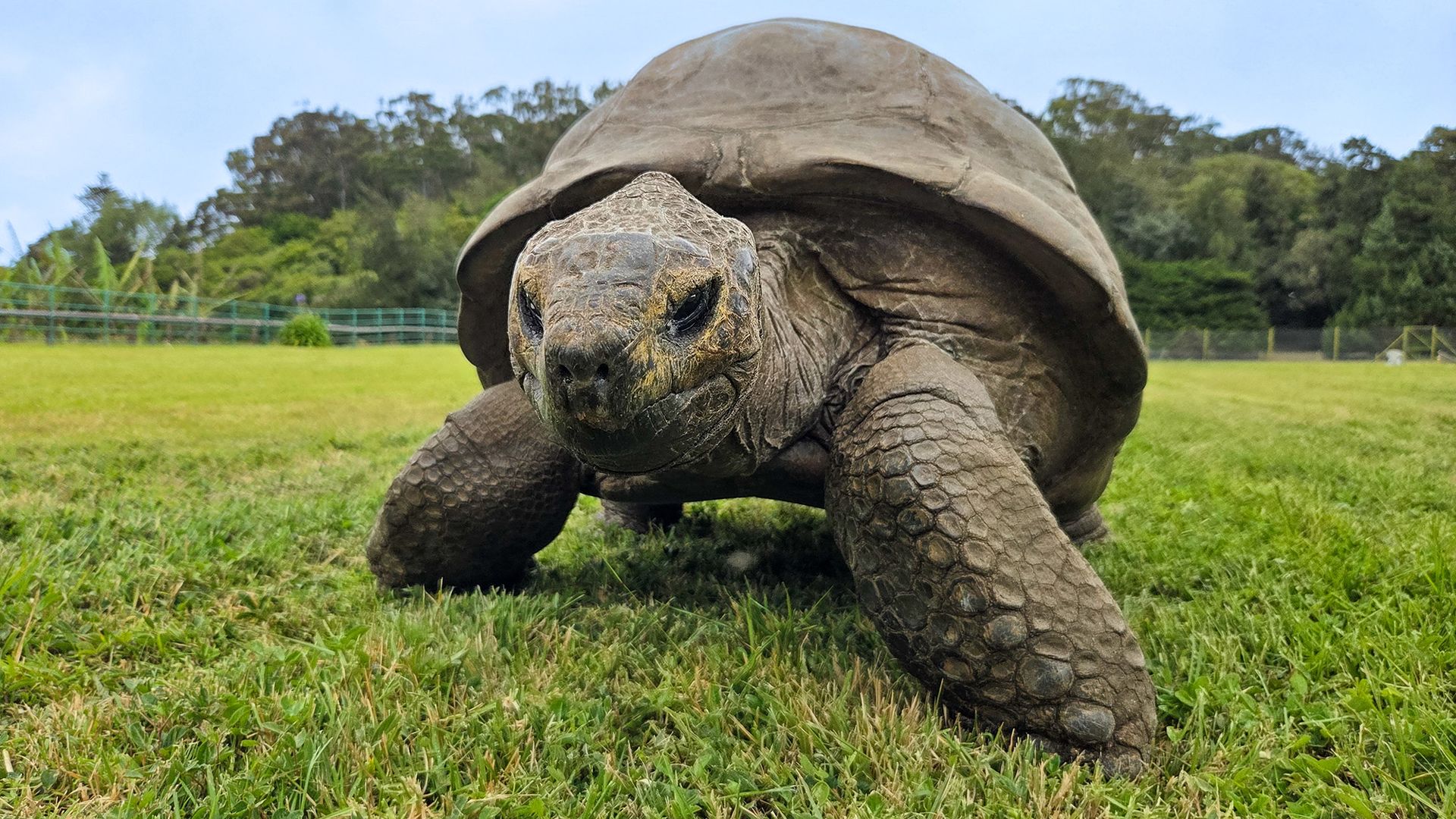
Scientists discover the genetic secrets that may have helped Jonathan the tortoise live to 194 years old
Researchers analyzing the DNA of Jonathan, a 194-year-old giant tortoise, have identified specific gene variants and epigenetic changes that may contribute to his extreme longevity. These findings offer new insights into the biological mechanisms that allow the world's oldest living land animal to thrive.
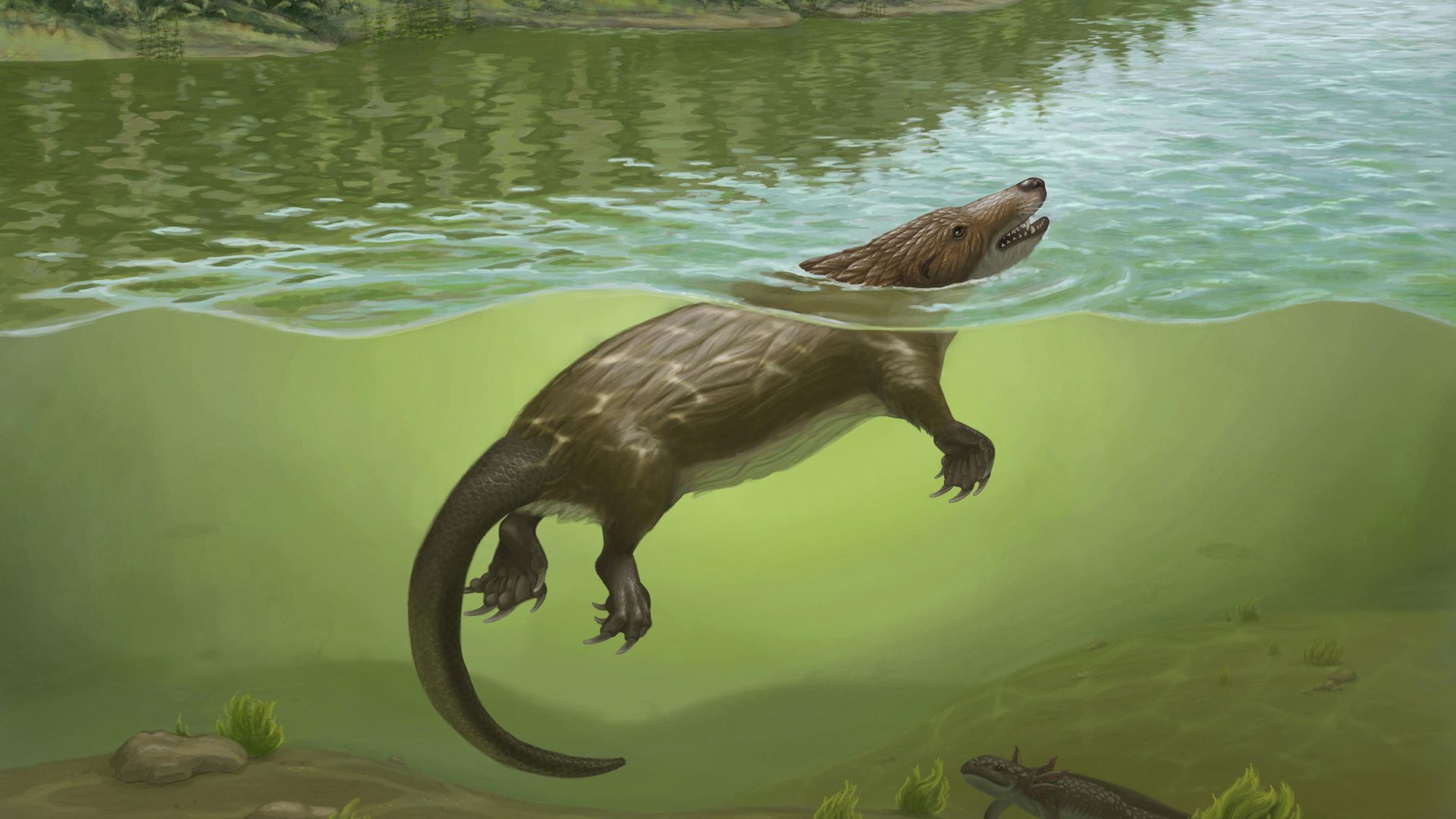
168-million-year-old 'chimera' mammal discovered in China
Paleontologists have identified a Jurassic-era mammal that lived alongside dinosaurs and possessed a strange combination of physical traits resembling both a platypus and an otter.

New crocodile species found fossilized in stone used to build Egypt’s Great Sphinx
Researchers identified a new species of extinct long-snouted crocodile from 45-million-year-old fossils discovered within the same limestone formation used to construct the Great Sphinx. The fossils had been misidentified for decades after being excavated in the 1920s.

Extinct crocodilian discovered in rocks used to build the Great Sphinx
A newly identified extinct crocodilian species, named Herugavialis, was discovered within the same geological rock formations used to construct the Great Sphinx. The fossil is notable for being a unique branch of the gharial family tree.