🦔

Beasts

11 stories

Baby tooth places macaques in northern Germany more than 300,000 years ago
🦔Beasts

Baby tooth places macaques in northern Germany more than 300,000 years ago

Researchers have identified a fossilized baby tooth from the Schöningen archaeological site as belonging to a macaque, proving the primates lived in northern Germany over 300,000 years ago. This discovery provides new evidence regarding the historical range of these monkeys in Europe.

🌀
10
New Jurassic crocodile species had unusually slender teeth, suggesting it fed on shrimp and tiny fish
🦔Beasts

New Jurassic crocodile species had unusually slender teeth, suggesting it fed on shrimp and tiny fish

Scientists have discovered a new species of ancient crocodile relative from 170 million years ago that possessed unusually slender teeth. These features suggest the creature likely fed on small prey like shrimp and tiny fish.

🌀
10
New Penguin Species Discovered After More Than 100 Years
🦔Beasts

New Penguin Species Discovered After More Than 100 Years

Genetic analysis has revealed that what were previously thought to be a single group of Gentoo penguins actually consist of four distinct species. This discovery marks the first time these hidden species have been identified in over a century.

🌀
10
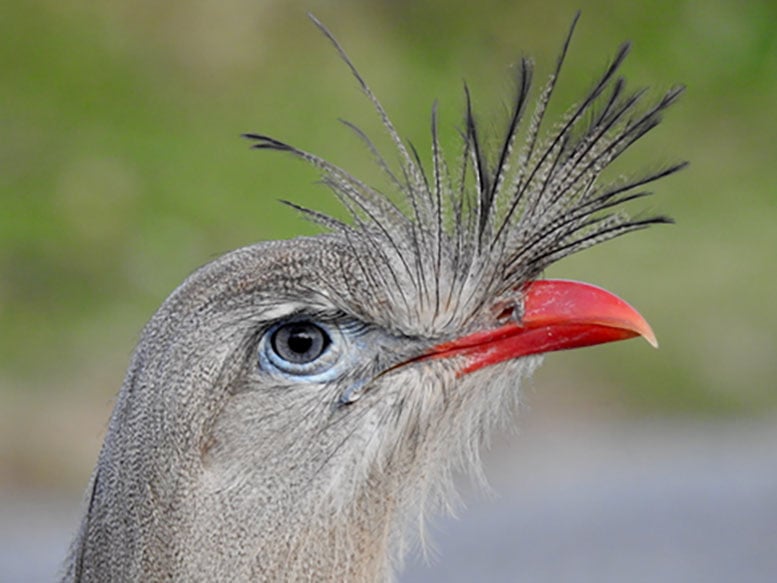
Biologists May Have Discovered Two of the World’s Loudest Birds
🦔Beasts

Biologists May Have Discovered Two of the World’s Loudest Birds

Researchers studying 123 bird species have identified two birds capable of producing calls that rival the volume of a jackhammer.

🌀
10
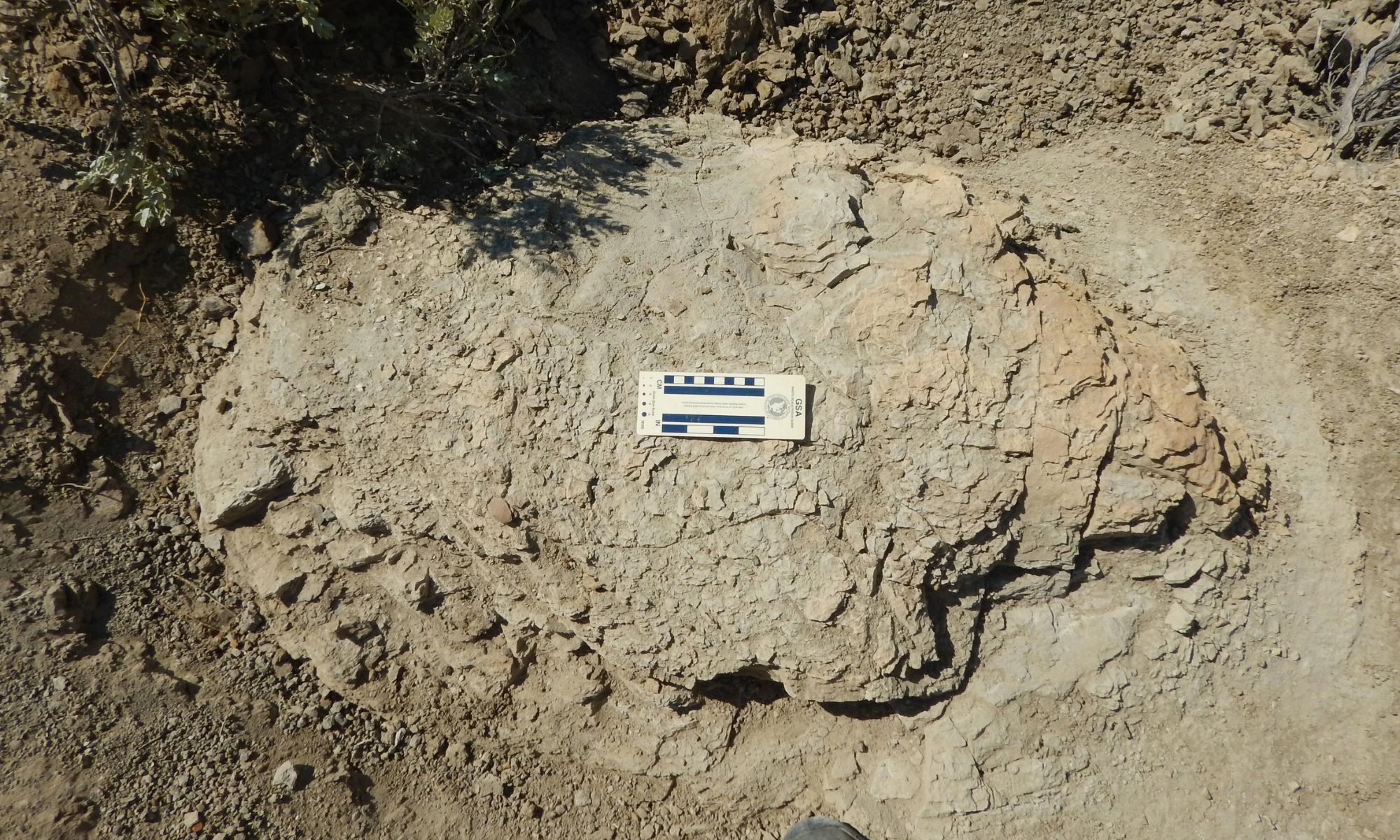
Four fossil footprints found by a high school teacher may be the first recorded consecutive steps made by an adult T. rex
🦔Beasts

Four fossil footprints found by a high school teacher may be the first recorded consecutive steps made by an adult T. rex

A Colorado teacher discovered four 66.5-million-year-old footprints in North Dakota that represent the first known adult T. rex trackway. The find provides rare evidence of the dinosaur's pace and movement.

🌀
10
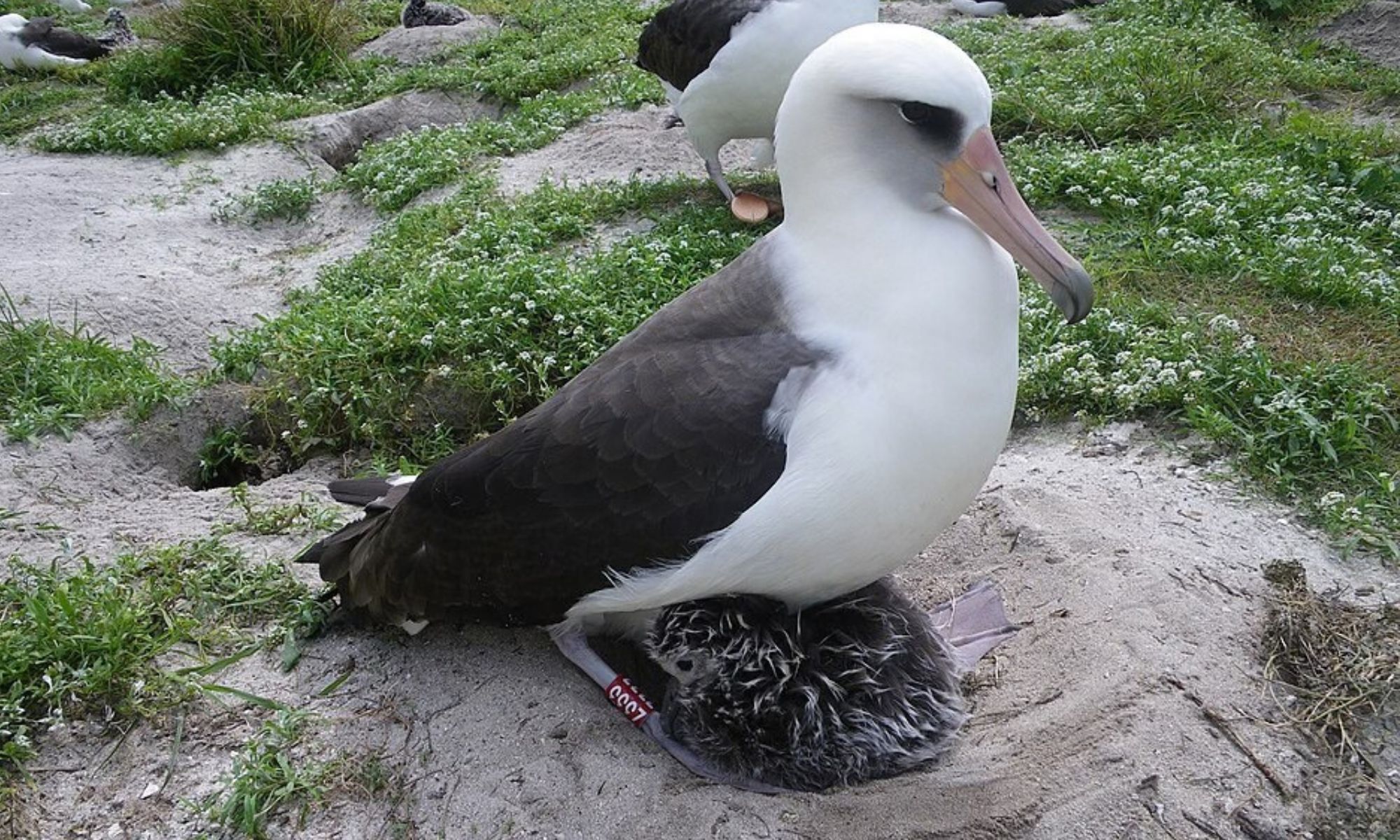
A biologist banded her in 1956, and the world’s oldest known wild bird is still nesting on the same island today
🦔Beasts

A biologist banded her in 1956, and the world’s oldest known wild bird is still nesting on the same island today

Wisdom, a Laysan albatross first banded in 1956, has returned to Midway Atoll at age 75 to hatch another egg. She remains the oldest known wild bird in the world.

🌀
10
Scientists Discover Groundbreaking Clues to Tissue Regrowth and “Immortality” in the Ocean
🦔Beasts

Scientists Discover Groundbreaking Clues to Tissue Regrowth and “Immortality” in the Ocean

Researchers have observed severed sea cucumber tissue continuing to grow for over three years in seawater. This phenomenon has led scientists to describe the animal as a real-life zombie due to its ability to survive without its original body.

🌀
10
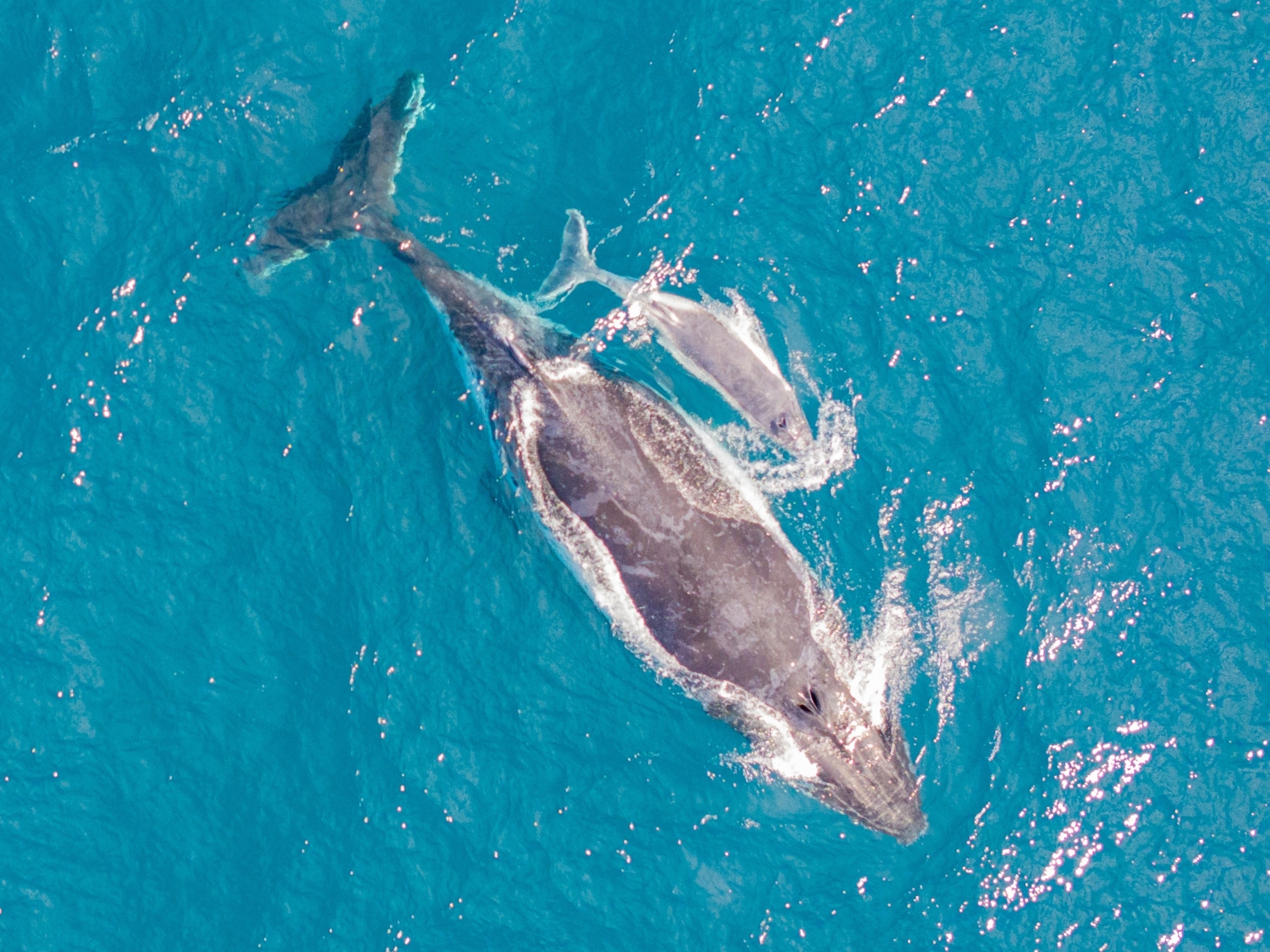
Humpback whale’s unusual response to dead calf raises questions about animal grief
🦔Beasts

Humpback whale’s unusual response to dead calf raises questions about animal grief

A humpback whale was observed repeatedly touching and remaining beside her deceased newborn, prompting researchers to consider the nature of maternal attachment and grief in animals.

🌀
10
Flower that looks like a fig deceives one pollinator and rewards another
🦔Beasts

Flower that looks like a fig deceives one pollinator and rewards another

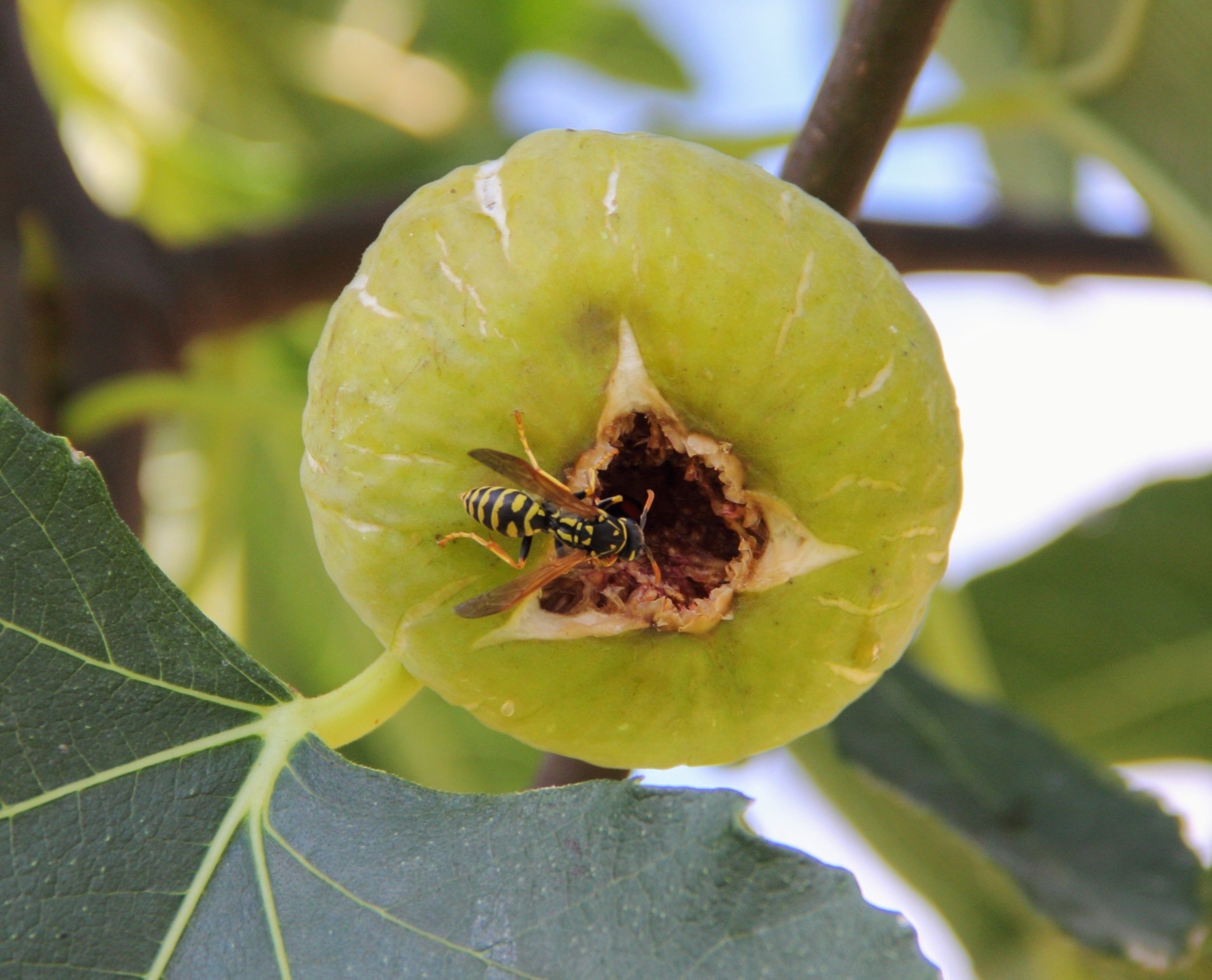
A rare flower in Thailand has developed a unique strategy where it mimics figs to trick wasps while simultaneously providing a nursery for flies. This dual-purpose pollination method allows the plant to deceive one insect species while rewarding another.

🌀
10
MIT astronomers catch a star in a feast that could last billions of years
🦔Beasts

MIT astronomers catch a star in a feast that could last billions of years

Astronomers have discovered a star system 300 light-years away where a small star is slowly consuming a nearby brown dwarf. Unlike typical rapid stellar consumption, this process is expected to continue for billions of years.

🌀
10
A Giant Insect on the Brink of Extinction Is Making an Extraordinary Comeback
🦔Beasts

A Giant Insect on the Brink of Extinction Is Making an Extraordinary Comeback

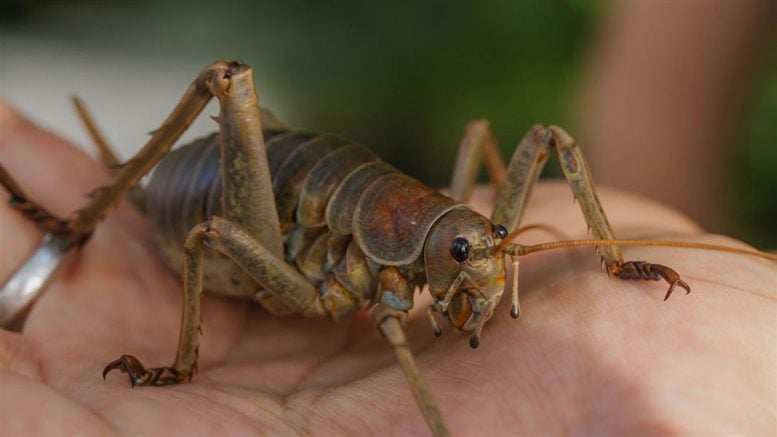
New Zealand’s largest giant wētā, the wētāpunga, has successfully established four new generations in the wild following a captive breeding program. The insects were previously restricted to a single island refuge after being decimated by introduced predators.

🌀
10