66-million-year-old dung preserves rarest dinosaur-era feather ever found
Paleontologists have discovered a rare dinosaur-era feather preserved inside a 66-million-year-old fossilized dung sample.

Paleontologists have discovered a rare dinosaur-era feather preserved inside a 66-million-year-old fossilized dung sample.

Researchers have observed water undergoing a transformation into a glass-like state rather than freezing into traditional ice. This unusual phase change offers new insights into the molecular behavior of water under specific conditions.

In a controlled test of machine culture, an AI developed a strategy that only one out of 600 human participants was able to independently discover. This suggests AI can uncover novel solutions that remain elusive to human problem-solving.

In a rare medical occurrence, a woman's intestines became knotted following the process of childbirth.

A Japanese railway company has introduced a mobile, autonomous trash bin robot at Shinjuku Station to help tourists manage waste in an area where public bins are scarce. The robot is designed to address the common frustration of finding a place to dispose of litter while traveling.
Archaeologists in Turkey have discovered an 11,000-year-old sculpture depicting a human riding a leopard. The 2.3-foot-tall artifact dates back to the Neolithic period, long before the invention of writing, and its original purpose remains a mystery.

The spider-tailed horned viper, a snake known for using its tail to mimic a spider to lure prey, has been observed exhibiting further unusual behaviors. Researchers continue to study this unique evolutionary adaptation that makes the snake appear to have a living arachnid attached to its body.

A species of viper found in Iran has evolved a tail tip that mimics the appearance and movement of a spider. The snake uses this appendage to lure birds within striking distance before capturing them.

Genetic analysis has revealed that the extinct North American animal long referred to as the 'American cheetah' is not closely related to modern cheetahs. This finding corrects a long-standing misclassification of the awe-inspiring predator.

Astronomers have identified 84 'hypersoft X-ray sources' in distant galaxies that emit low-energy X-rays and intense ultraviolet radiation. These unusual objects may provide key insights into two long-standing cosmic puzzles.

Researchers have created a bizarre form of 'superionic ice' that remains solid at temperatures exceeding 2,000°C by applying millions of atmospheres of pressure. This material is theorized to exist within the interiors of Uranus and Neptune.

An AI-focused school is reportedly requiring students to wear heart monitors during class while they listen to automated critiques of their work. The practice has drawn criticism for its lack of a moral compass.

The 2027 edition of the Guinness World Records features an array of unusual feats, including a man who has covered over 90% of his body in tattoos and the creation of the world's largest hairdryer.

A newly discovered genus of plant-feeding insects from Australia has been named in honor of Taylor Swift. Four distinct species within the genus were also named after the singer and her albums.

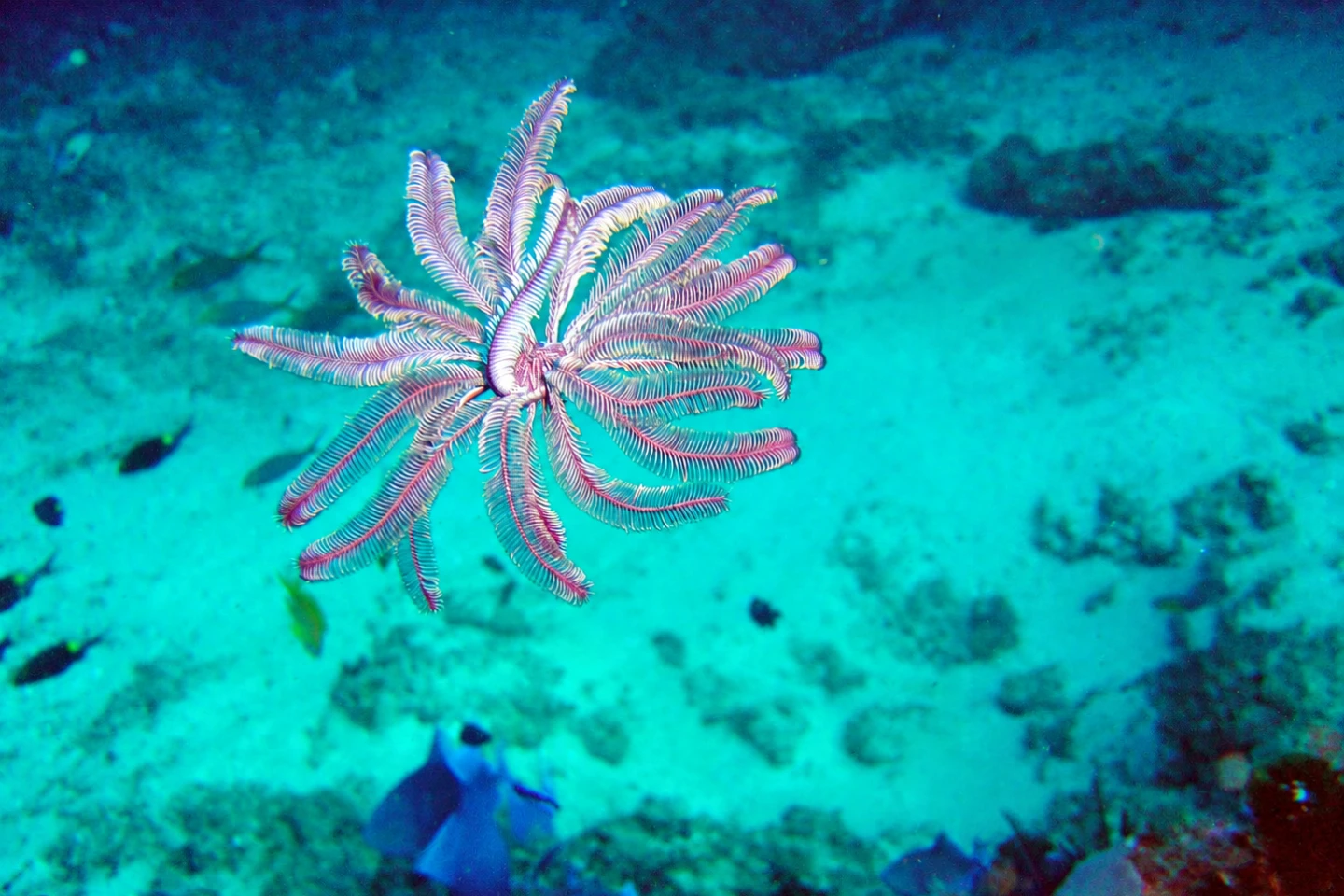
Researchers have captured the first confirmed live observation of a rare bigfin squid near an underwater mountain off the coast of California. This footage provides a unique look at the elusive deep-sea animal in its natural habitat.

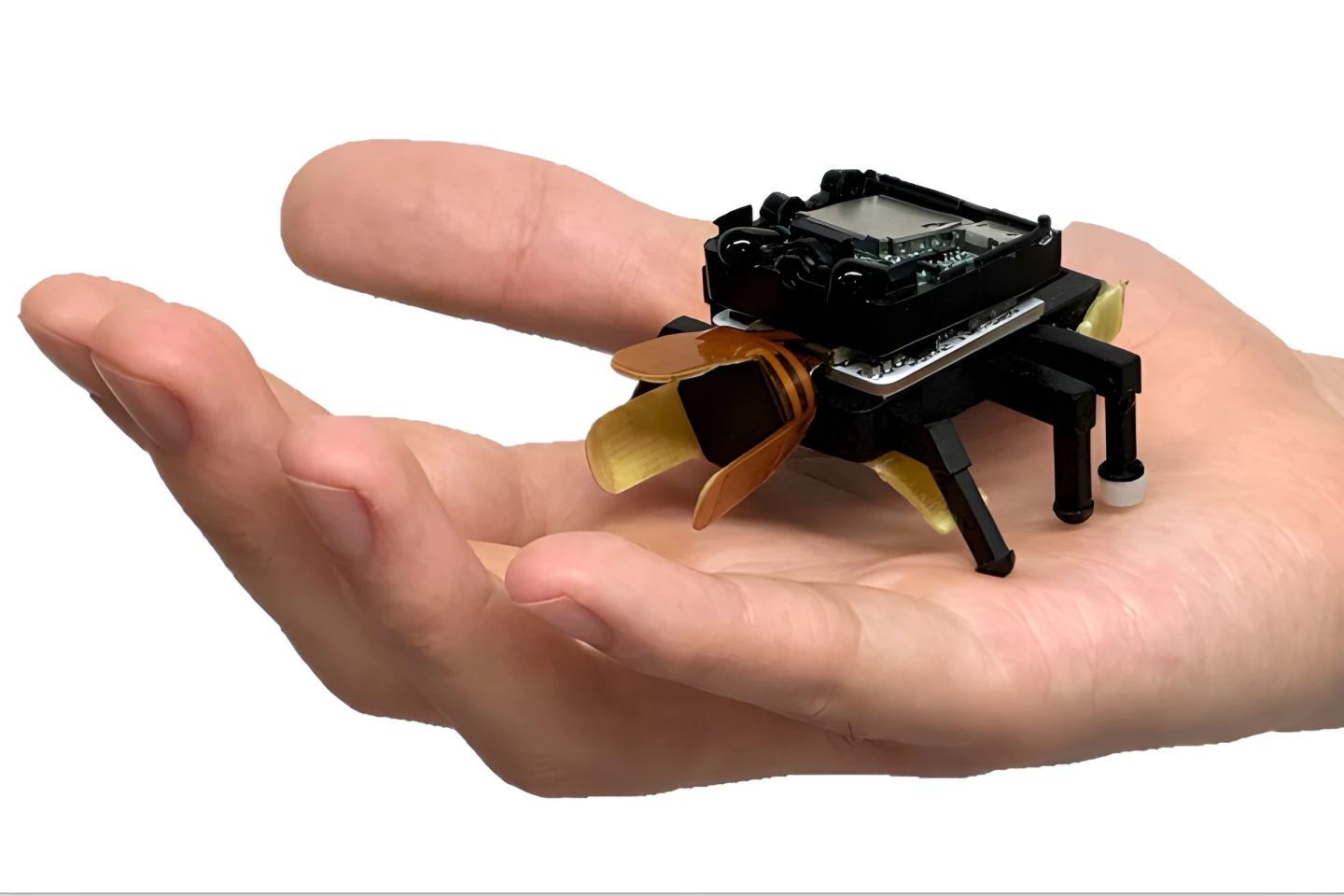
Researchers are exploring the potential of using cyborg cockroaches as rescue insects to assist in disaster zones. The project aims to repurpose the insects for life-saving missions in environments difficult for humans to access.

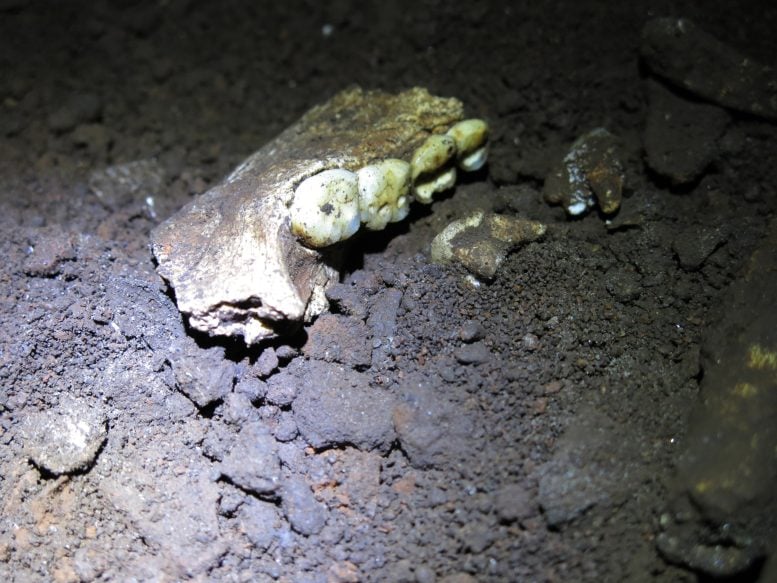
Archaeologists found evidence of ancient tooth wear and psychoactive substances in human remains from Sulawesi, suggesting foragers were using mind-altering betel nuts 25,000 years ago.

Japanese convenience store chain Family Mart has launched a collection of socks and stickers featuring unique designs for each of Japan's 47 prefectures.

Researchers have developed a robotic device specifically designed to tickle humans. The project aims to study the physiological and psychological responses to the sensation.

The 'Furatsuku Beer Glass' by Yo-Ho Brewing features a U-shaped design that makes it difficult to hold steady, forcing drinkers to consume water to keep the vessel balanced. The unusual glass design proved surprisingly challenging for users to manage during a drinking session.

Archaeologists have determined that the 25-tonne stones forming Britain's Devil's Arrows were transported at least 18 kilometers by prehistoric builders approximately 4,000 years ago.

Astronomers have observed a wandering black hole actively feeding by dragging gas along in its wake. This provides the first direct evidence of an accretion channel that was previously only theoretical.

In an exceedingly rare medical case, a man required treatment after a live eel entered his rectum and punctured his colon. The incident has been documented as a significant diagnostic challenge.

Researchers observed changes in brain scans after participants consumed tomato paste daily for three months. The study suggests a link between the antioxidant-rich food and neurological effects.

A neuroscientist has presented a new challenge to the long-held scientific assumption regarding how the human brain makes decisions.

A completely fake song featuring the voice of Eminem, generated entirely by artificial intelligence, has gone viral on YouTube.

Researchers are developing spacecraft shielding inspired by the structure of eggshells. These water-filled aluminum designs could help protect vessels from high-speed orbital collisions.

Researchers chartered a private jet to observe two satellites burning up upon reentry into Earth's atmosphere. The mission aimed to study the pollution generated by space debris.

Japan has maintained a 20-year streak of winning Ig Nobel prizes, with the latest recognition awarded for research into the most efficient technique for blowing one's nose.

Thieves broke into the Renoir Museum in Cagnes-sur-Mer by cutting a hole in a garden fence to steal two paintings. The perpetrators reportedly dropped two additional artworks in the garden while fleeing.

A rare 3D fossil of an animal has been unearthed in a sheep pasture in the Norwegian Arctic. This discovery marks the first significant site of its kind found in Europe in several decades.

New research confirms that ancient builders transported massive 25-tonne stones across at least 18 kilometers to construct the Devil's Arrows, Britain's tallest prehistoric stone row.

OpenAI reports that an internal system utilizing 10,000 agents successfully identified a finite-time singularity in the three-dimensional Navier-Stokes equations, a mathematical puzzle that has remained unsolved for 90 years.

Researchers have observed a consistent rhythmic beat in the communication of diverse species, ranging from fireflies to sea lions. This suggests that evolution may have tuned animal signaling to match the rhythm of neurons.

Surinam toads hunt in murky Amazon waters by using specialized fingertip structures to detect prey, which they then capture using rapid suction.

Scientists have reconstructed the mating calls of ancient Jurassic insects by analyzing sound-producing structures preserved on fossilized wings.

Researchers have identified toxin-blocking proteins in rattlesnake blood that can neutralize venom from other dangerous snakes. Lab tests indicate these natural mixtures are ten times more potent than current commercial antivenoms.

A 20-meter-long dinosaur species from 120 million years ago was unearthed at a construction site in Brazil. The discovery suggests ancient evolutionary links between South American and European dinosaurs.

A critically endangered roloway monkey has given birth following a successful surgery that saved her foot from amputation. Her offspring is considered a significant addition to the small remaining wild population.

A journalist has publicly accused Cleveland.com of using her byline on an AI-generated article while she was away on her honeymoon. The incident has sparked a debate regarding journalistic integrity and the use of AI in newsrooms.

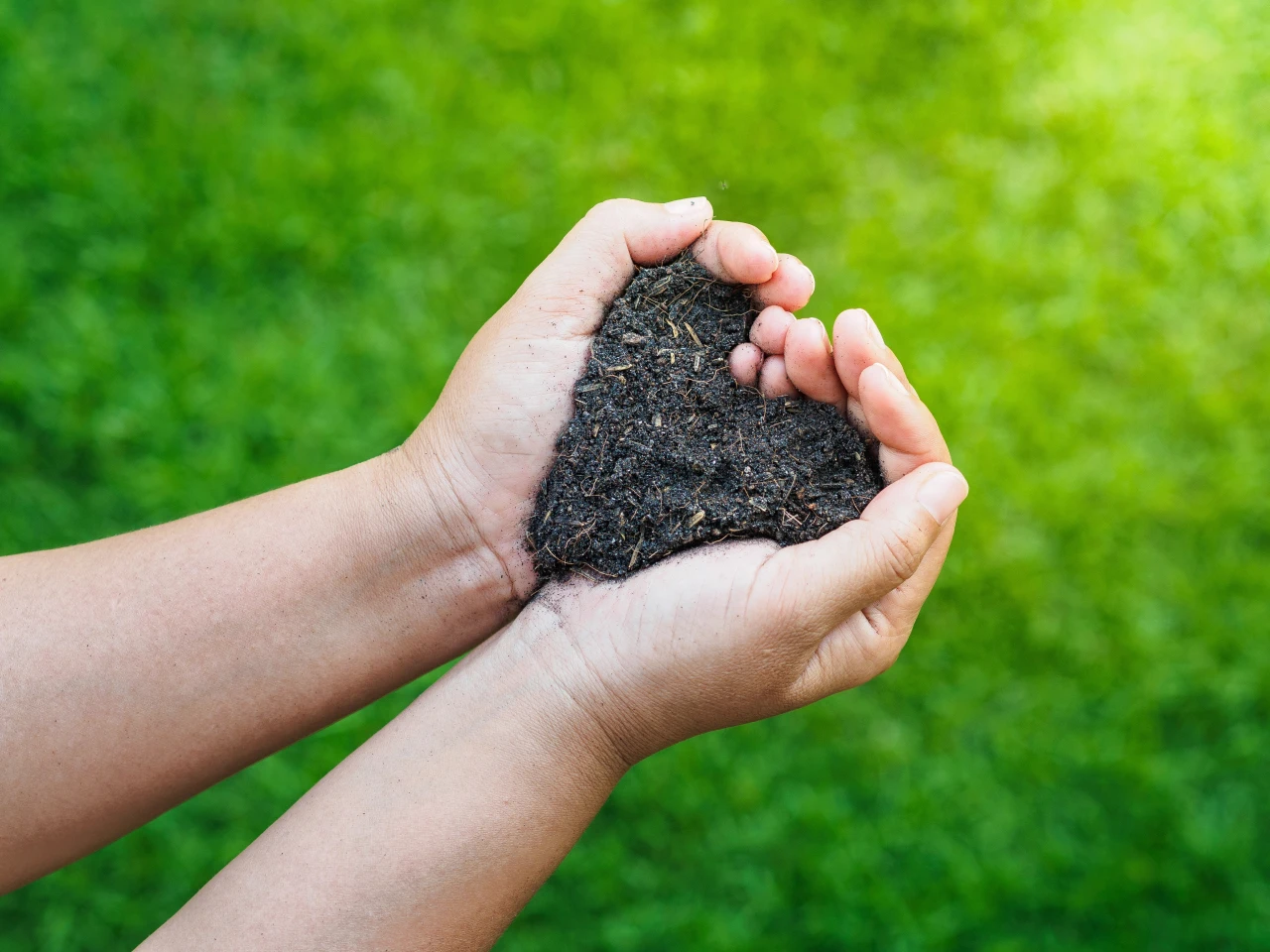
Research indicates that meltwater from Svalbard glaciers is releasing ancient methane trapped in rocks beneath the ice into the atmosphere. This process highlights a previously unobserved pathway for greenhouse gas emissions in warming regions.

A near-miss incident involving an aircraft and a collection of parked Cybercabs has drawn attention to the large number of these vehicles currently sitting unused. Elon Musk described the situation as "weird."

Following a breakup, Shalise Barnes moved into a cave that costs £129 per month. She reports that she has become accustomed to living alongside various insects.

A 324-million-year-old fossil suggests that early insects lived in environments between water and land as their bodies evolved.
Download Oddly Enough for iOS. Push notifications for the wildest news, save your favourites, and browse the bizarre offline.
Download on the App Store