Scientists Decode a 12,000-Year-Old Mystery Hidden in Ancient Spear Points
🌀 Reality-Breaking
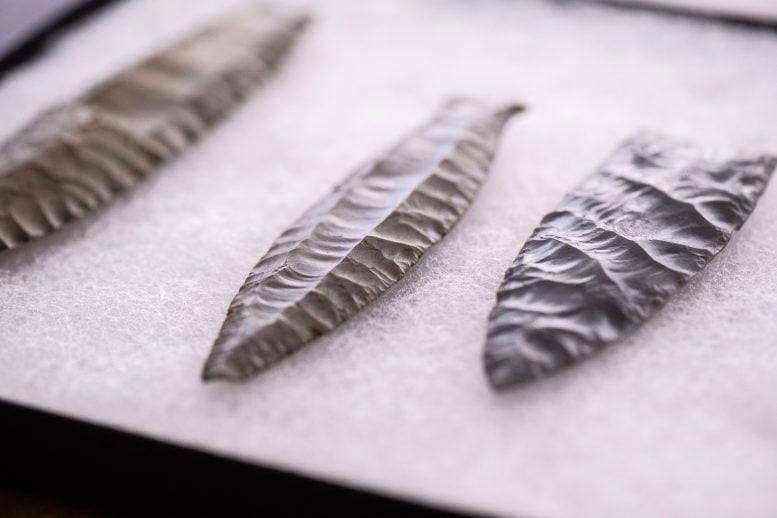
“Analysis of 500 ancient spear points suggests that Ice Age hunters in the Tennessee River Valley discarded usable tools to lighten their load, relying on inherited knowledge of stone deposits to replace them later. This behavior indicates that these early humans strategically managed their resources based on the availability of suitable rock.”
Why It's Weird
The diversity of human experience across the world produces stories that challenge our assumptions. The moderate weirdness score suggests this is unusual but not completely unprecedented.
Read the full oddity in the app
Oddly Enough on the web is for discovery. Open the iPhone app for the complete story, offline saves, and your personalised feed.
Get Oddly Enough for iPhoneFull articles are available in the app.
Get Oddly Enough on iOS
Your daily dose of the world's weirdest, most wonderful news. Original articles, 100% autonomous.
Download on the App StoreYou might also like 👀
Bendy elm still standing against all odds crowned UK tree of the year
A 150-year-old wych elm in Northern Ireland has won the UK's tree of the year competition for its unusual horizontal trunk. The tree grew sideways due to persistent, strong winds blowing off the Irish Sea.
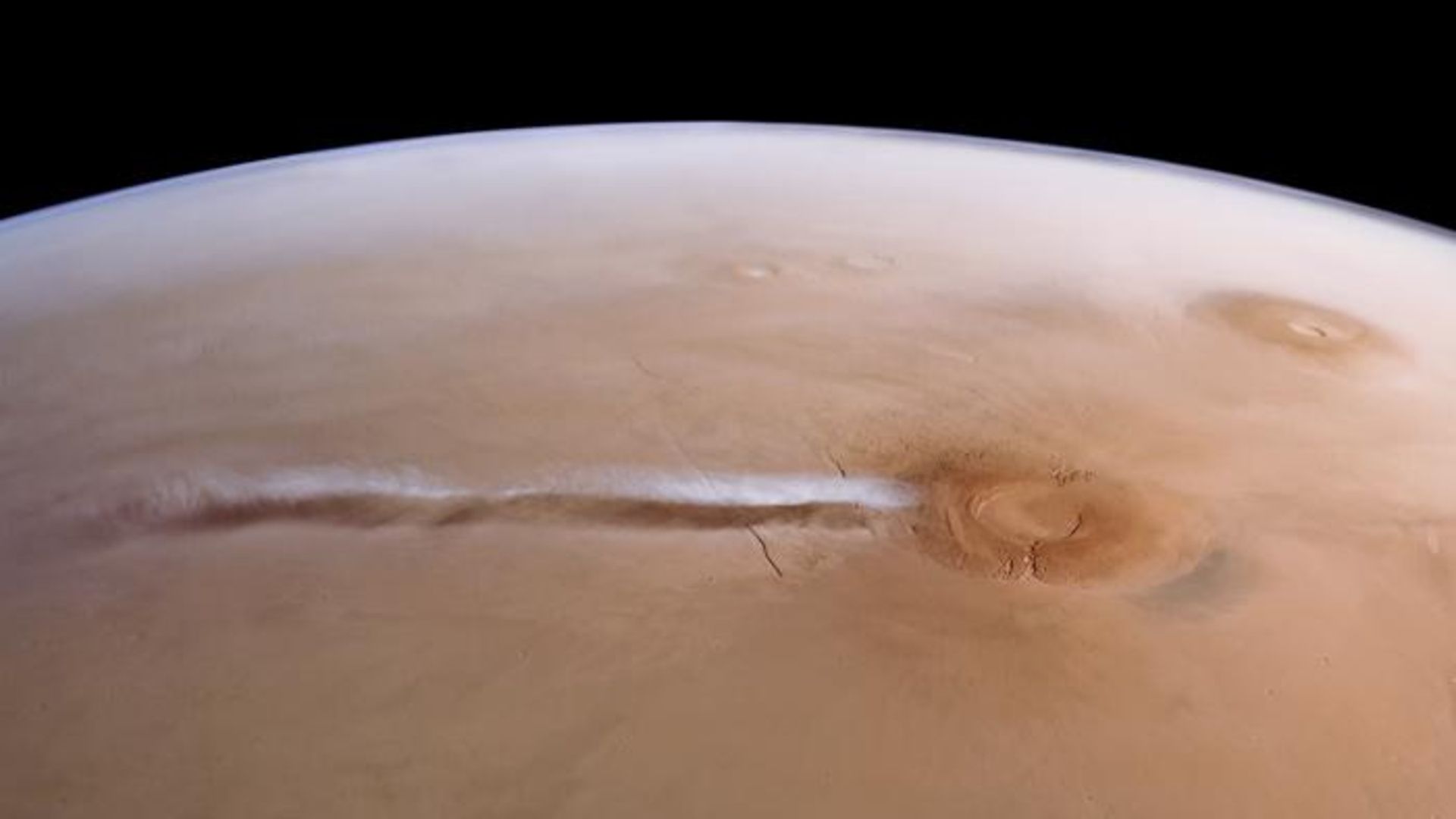
1,000-mile-long cloud on Mars defies known physics
A massive cloud that appears and vanishes daily over the Arsia Mons volcano on Mars is being driven by a meteorological process never before observed on Earth.
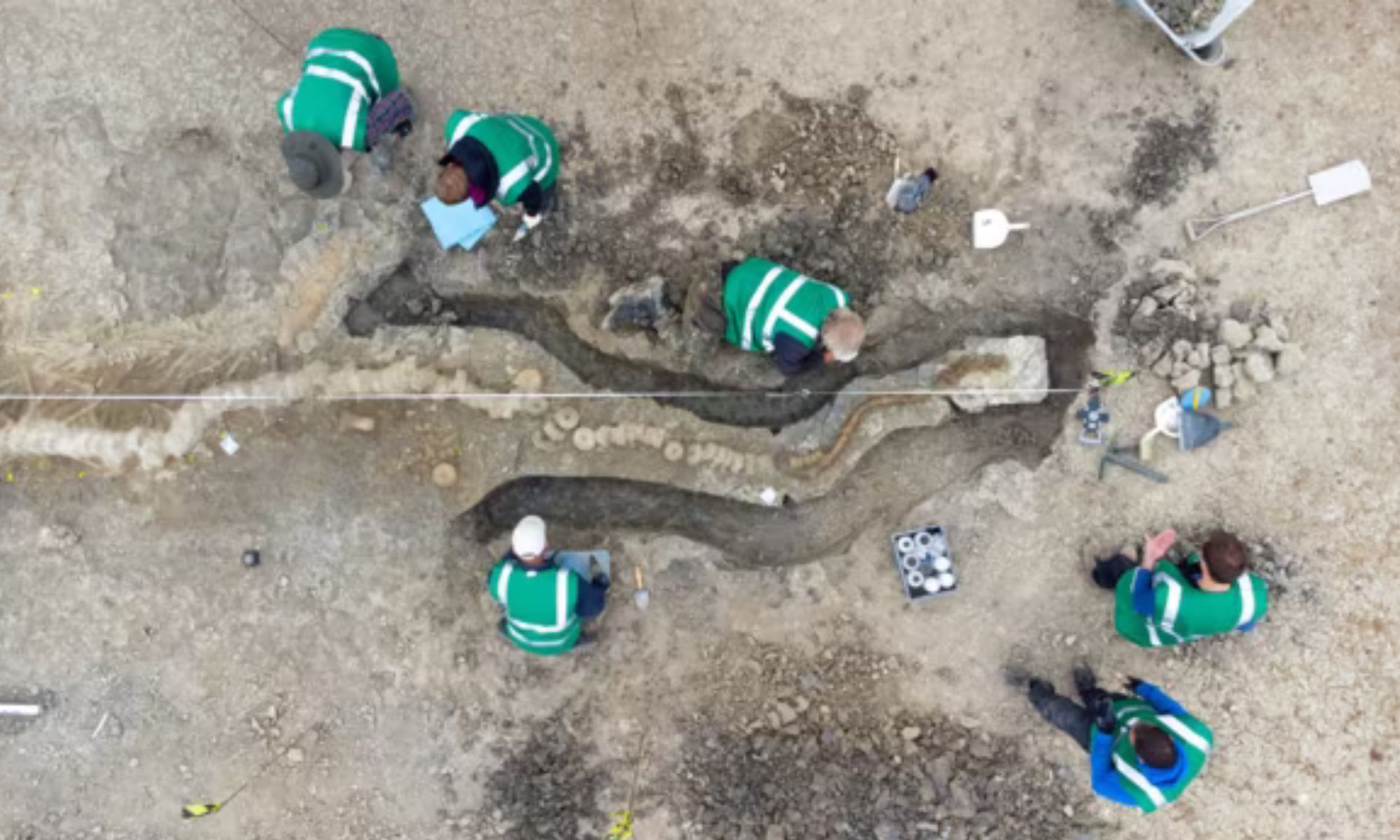
33-foot sea monster fossil discovered in English lagoon
A 33-foot ichthyosaur skeleton, the largest and most complete of its kind found in Britain, was discovered in the mud during routine drainage work at Rutland Water.

Astronomers spy never-before-seen 'phoenix planet' rising from the ashes of a dead star
Astronomers have discovered a rare second-generation exoplanet orbiting a white dwarf star. The presence of heavy elements in the dead star suggests the new world formed from the remnants of the previous system.