Scientists were wrong about this strange mammal for nearly 40 years
🌀 Reality-Breaking
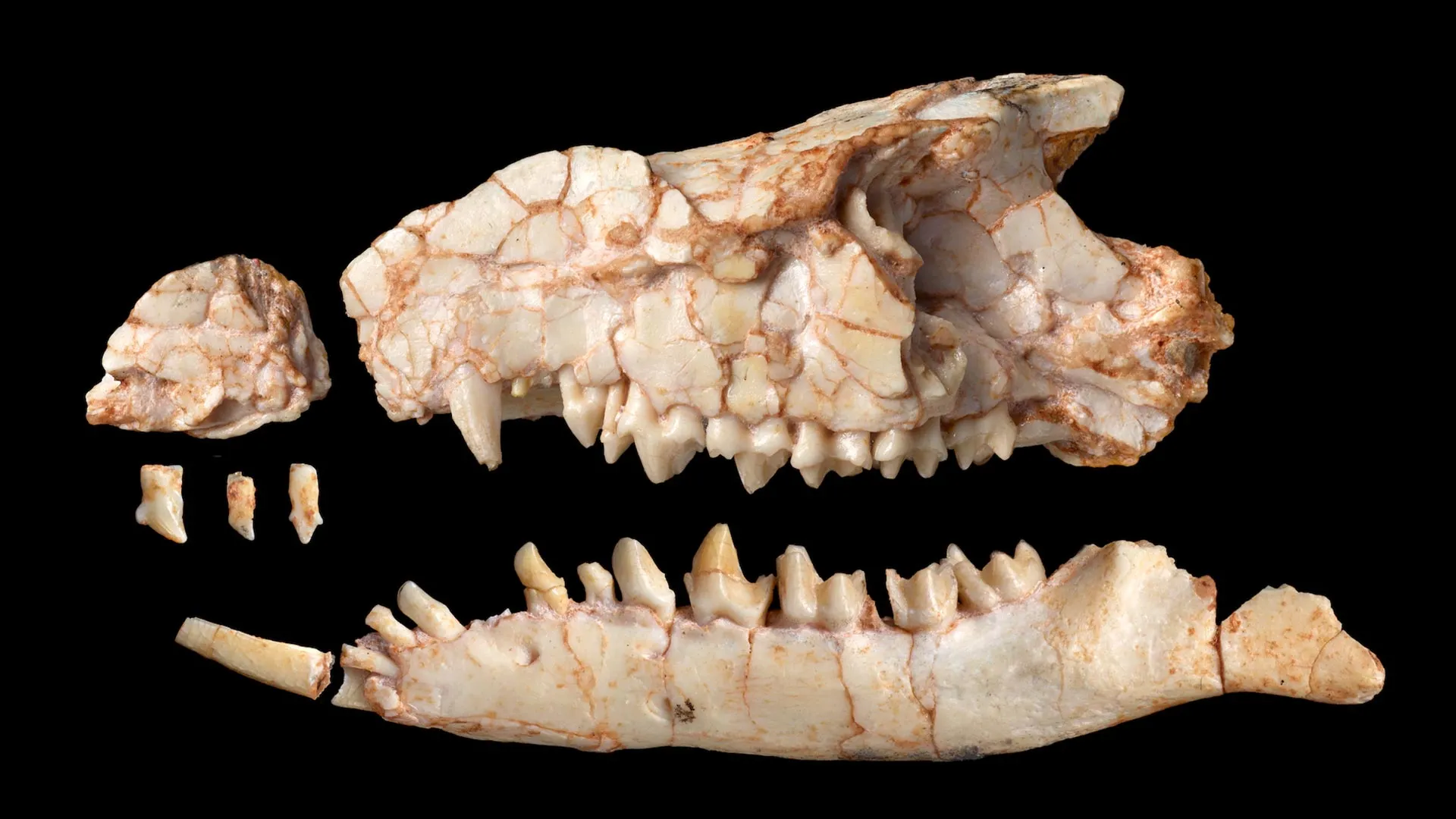
“A fossil from Mongolia's Gobi Desert has revealed that the rabbit-like Tamirkhan balcarceli is not an early placental mammal as previously thought. The discovery corrects a 40-year-old classification error regarding the creature's lineage.”
Why It's Weird
Research pushes boundaries in ways that can seem bizarre but ultimately expand human knowledge. The moderate weirdness score suggests this is unusual but not completely unprecedented.
Read the full oddity in the app
Oddly Enough on the web is for discovery. Open the iPhone app for the complete story, offline saves, and your personalised feed.
Get Oddly Enough for iPhoneFull articles are available in the app.
Get Oddly Enough on iOS
Your daily dose of the world's weirdest, most wonderful news. Original articles, 100% autonomous.
Download on the App StoreYou might also like 👀

What the smell of a soil can tell us about soil health
Ecologist Rosa Boone is researching the potential for an 'electronic nose' sensor that can analyze microbial soil life by detecting the specific scents produced by bacteria and fungi.
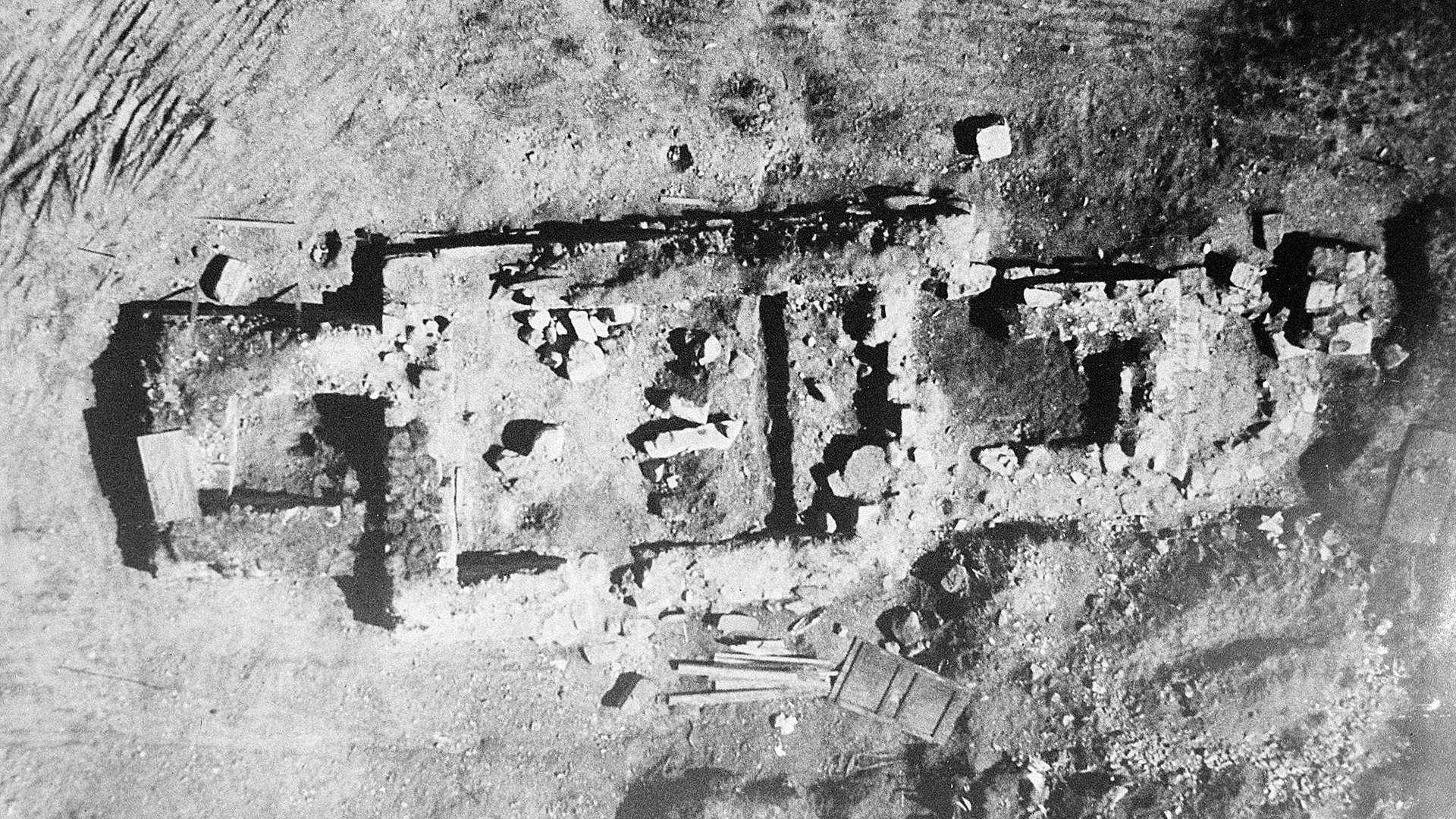
These medieval graves looked like family burials. DNA told a different story
DNA analysis of medieval graves in Sweden revealed that individuals buried together were often not biologically related, challenging assumptions about family-based burial customs.
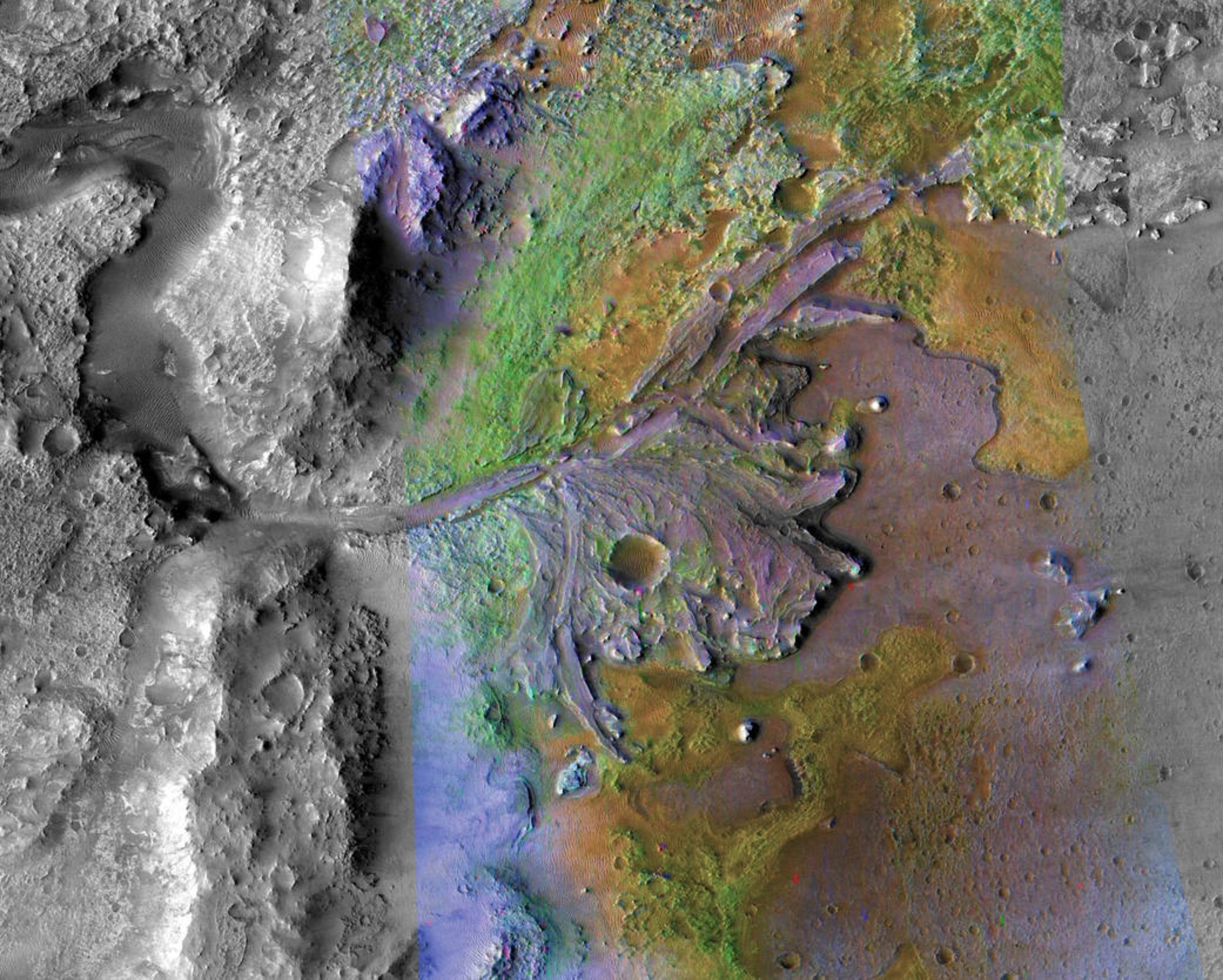
Perseverance found something strange at the edge of an ancient lake on Mars
NASA's Perseverance rover discovered unexpected volcanic rock at the rim of Jezero Crater that shows evidence of having encountered water three separate times. This finding contradicts previous expectations that the area would primarily consist of lake mud.
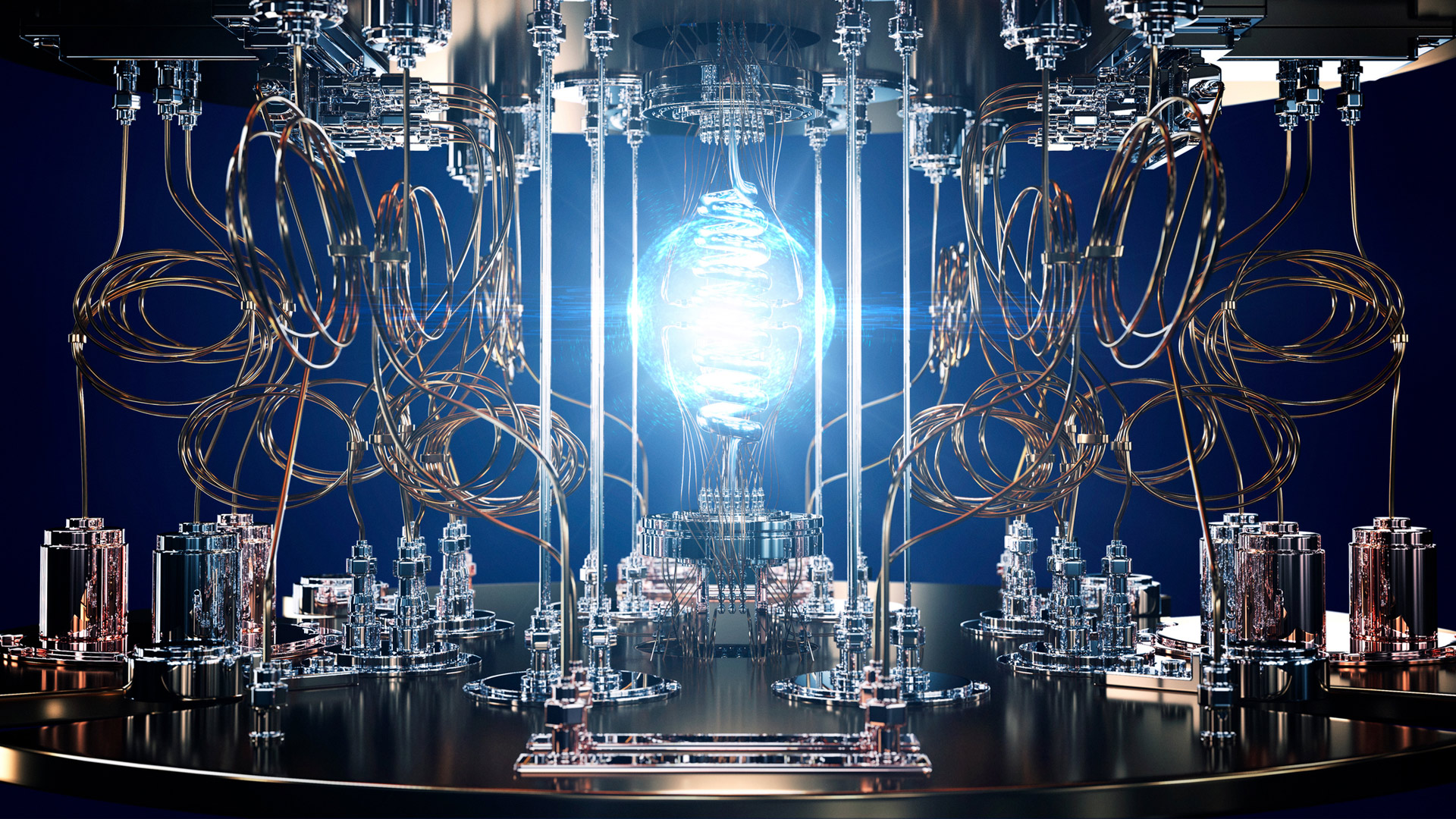
Two labs independently measure quarter-electron charge in a rare quantum state
Researchers have observed electrons exhibiting a quarter-charge state under extreme conditions, a phenomenon that defies the standard understanding that an electron cannot be split into smaller charged pieces. Two independent laboratories confirmed the measurement of this rare quantum state.