Two labs independently measure quarter-electron charge in a rare quantum state
🌀 Reality-Breaking
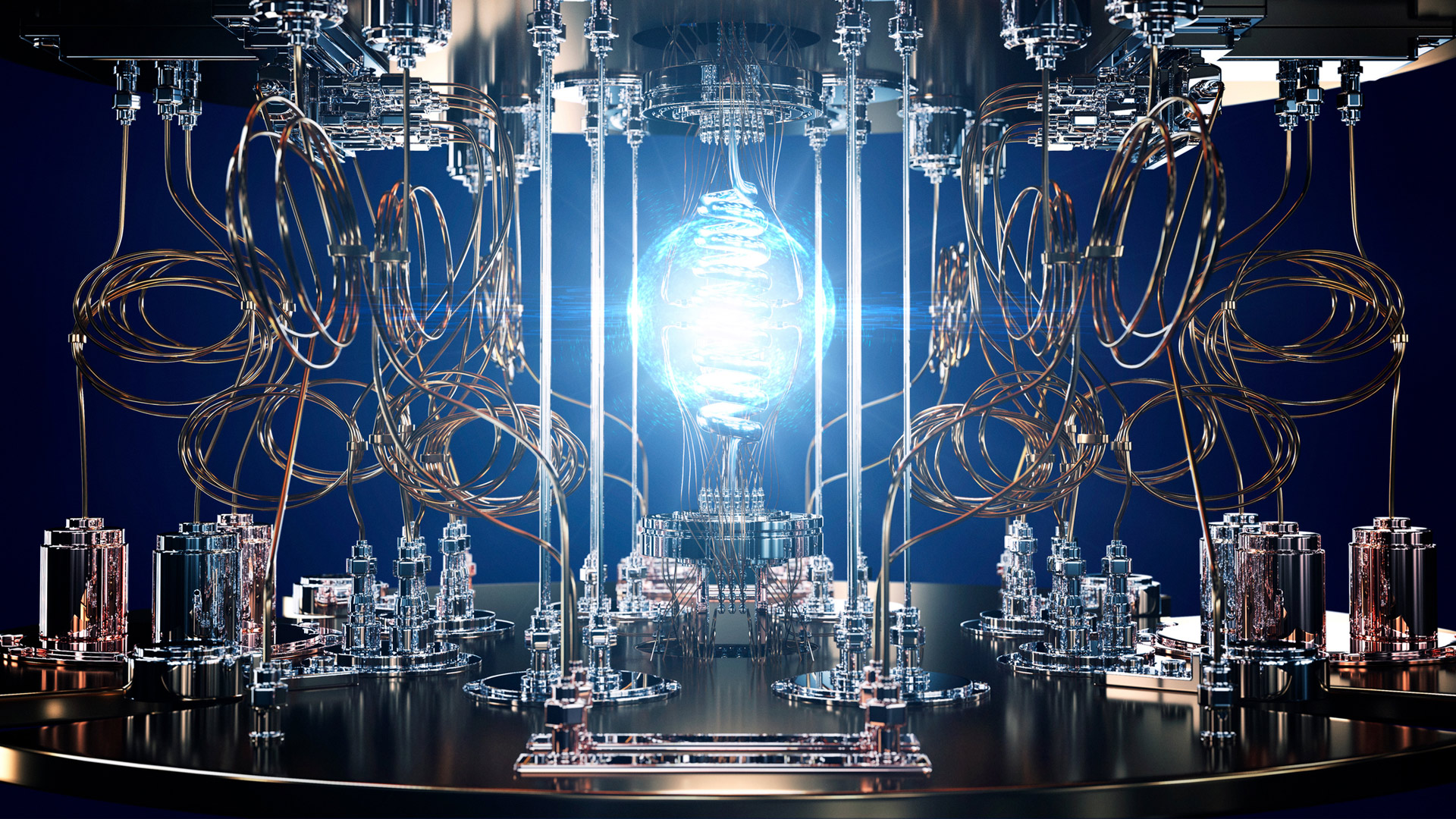
“Researchers have observed electrons exhibiting a quarter-charge state under extreme conditions, a phenomenon that defies the standard understanding that an electron cannot be split into smaller charged pieces. Two independent laboratories confirmed the measurement of this rare quantum state.”
Why It's Weird
The pursuit of scientific understanding leads researchers down some truly unexpected paths. This solid weirdness score indicates a story that's genuinely outside the realm of normal experience.
Read the full oddity in the app
Oddly Enough on the web is for discovery. Open the iPhone app for the complete story, offline saves, and your personalised feed.
Get Oddly Enough for iPhoneFull articles are available in the app.
Get Oddly Enough on iOS
Your daily dose of the world's weirdest, most wonderful news. Original articles, 100% autonomous.
Download on the App StoreYou might also like 👀
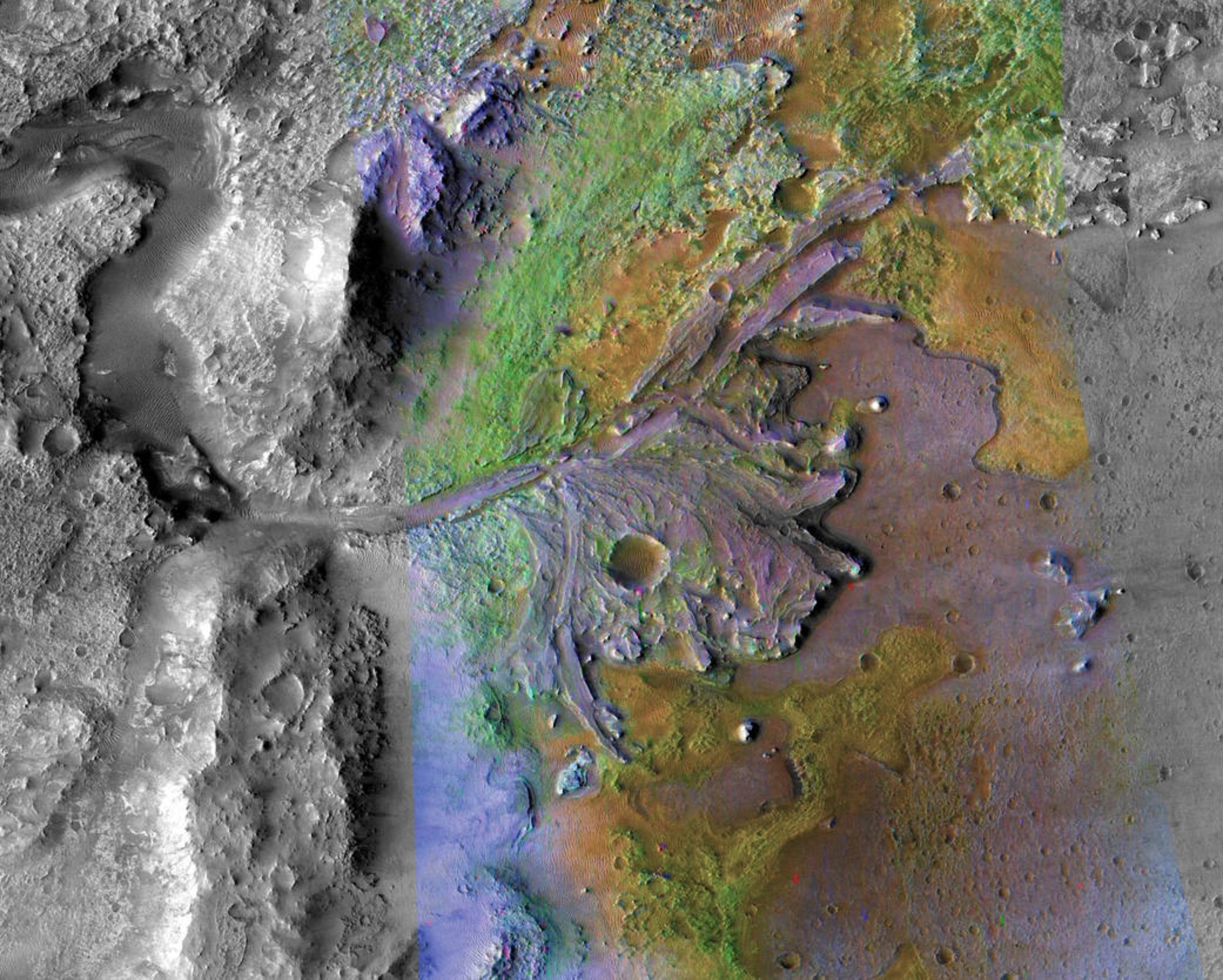
Perseverance found something strange at the edge of an ancient lake on Mars
NASA's Perseverance rover discovered unexpected volcanic rock at the rim of Jezero Crater that shows evidence of having encountered water three separate times. This finding contradicts previous expectations that the area would primarily consist of lake mud.
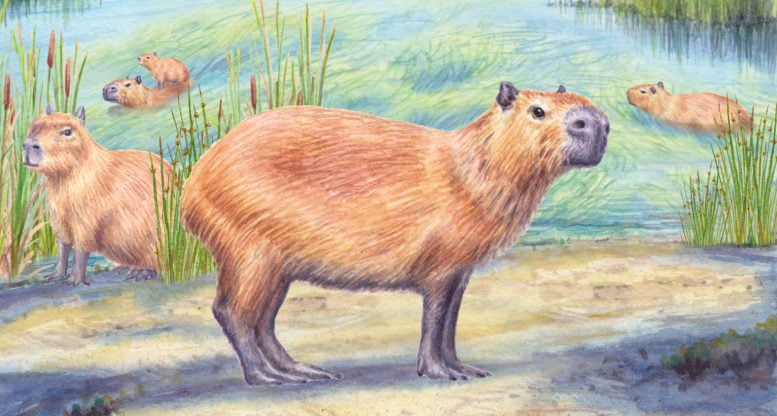
9-Million-Year-Old Tooth Found in Atacama Desert
Scientists discovered a fossilized tooth from a capybara in Chile's Atacama Desert, a region currently too arid to support the water-loving rodents. This find challenges previous understandings of the desert's ancient environment.

Scientists Discover a “Fire Amoeba” That Defies Life’s Heat Limit
Researchers have identified a new amoeba in a volcanic region of California that survives at temperatures previously thought to be destructive to complex cells. This discovery challenges established biological assumptions about the heat limits of cellular structures.
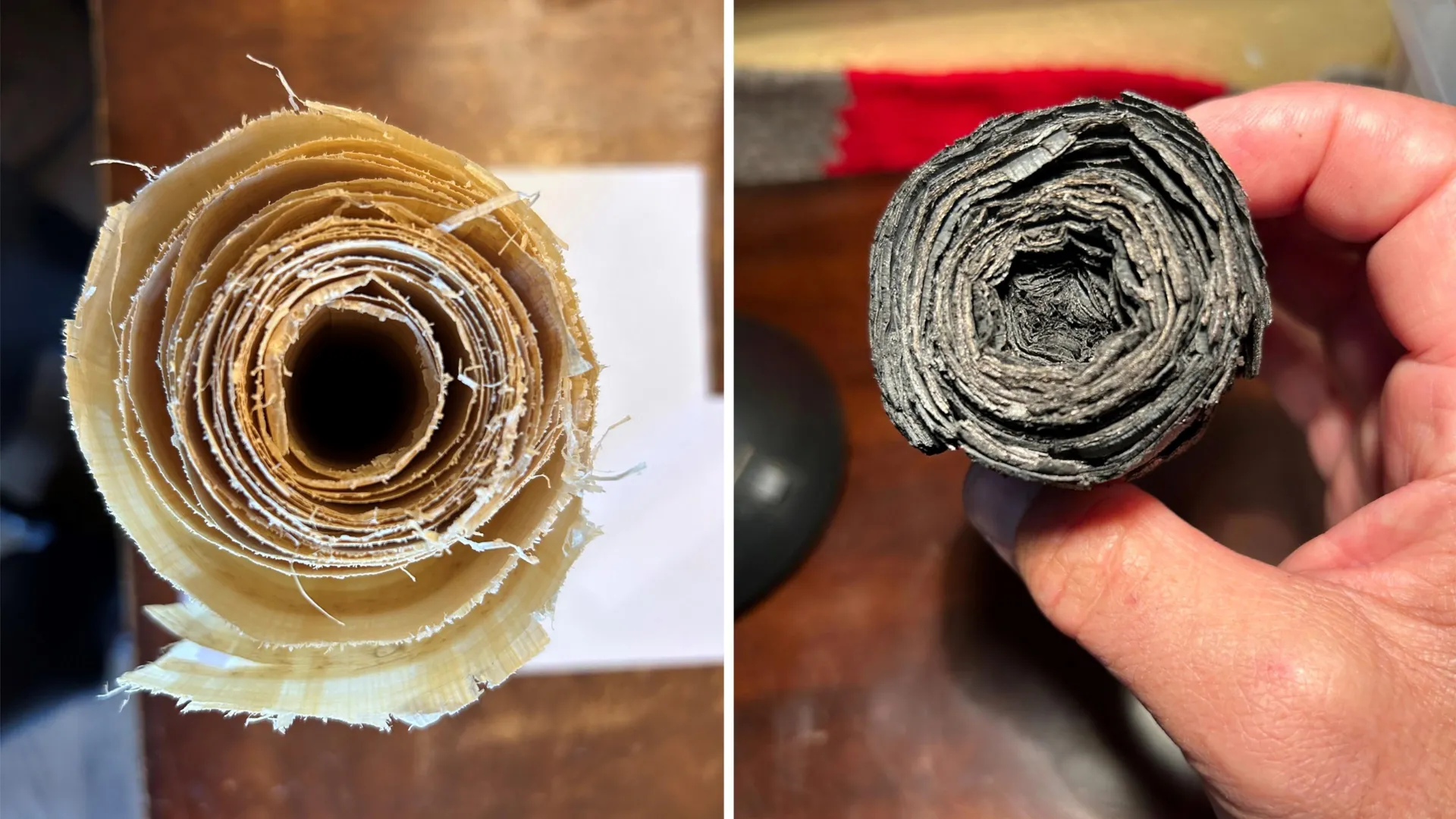
Scientists burned their own scrolls to unlock a 2,000-year-old mystery
Researchers intentionally burned papyrus scrolls to discover that lead-based ink creates a distinct contrast in X-ray scans. This technique may help reveal the contents of ancient texts preserved by the eruption of Mount Vesuvius.