This strange “spacetime crystal” can suddenly become a black hole
🌀 Reality-Breaking
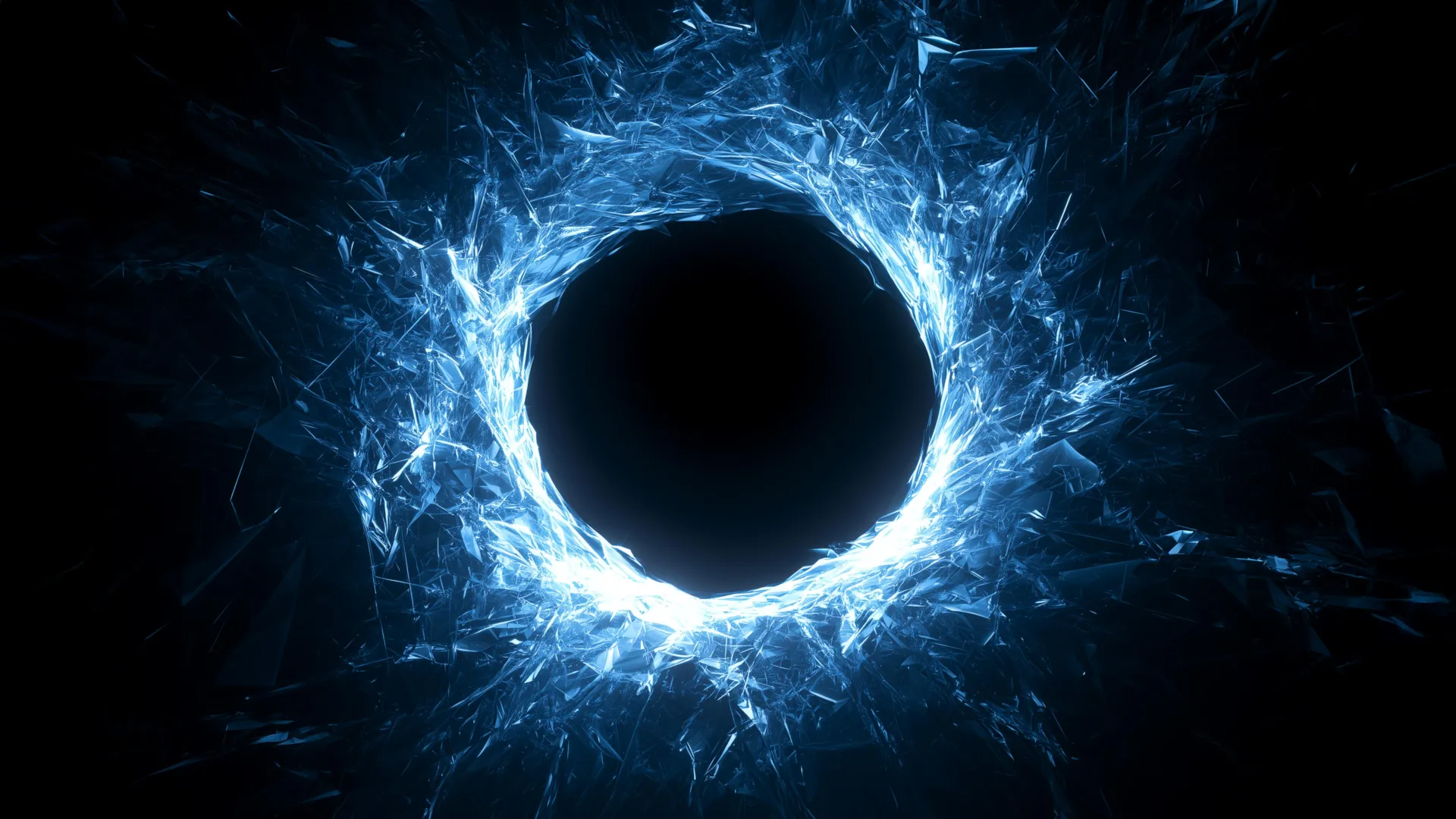
“Physicists have mathematically modeled a "spacetime crystal" that can collapse into a microscopic black hole following a minor change in energy. This discovery may provide a new method for studying primordial black holes.”
Why It's Weird
Research pushes boundaries in ways that can seem bizarre but ultimately expand human knowledge. This solid weirdness score indicates a story that's genuinely outside the realm of normal experience.
Read the full oddity in the app
Oddly Enough on the web is for discovery. Open the iPhone app for the complete story, offline saves, and your personalised feed.
Get Oddly Enough for iPhoneFull articles are available in the app.
Get Oddly Enough on iOS
Your daily dose of the world's weirdest, most wonderful news. Original articles, 100% autonomous.
Download on the App StoreYou might also like 👀

Toothless 'hell chicken' dinosaur may have had a taste for fruit
Researchers have identified a new species of toothless dinosaur nicknamed the 'hell chicken' found in the Hell Creek Formation. The discovery suggests this dinosaur was a herbivore that likely ate fruit.
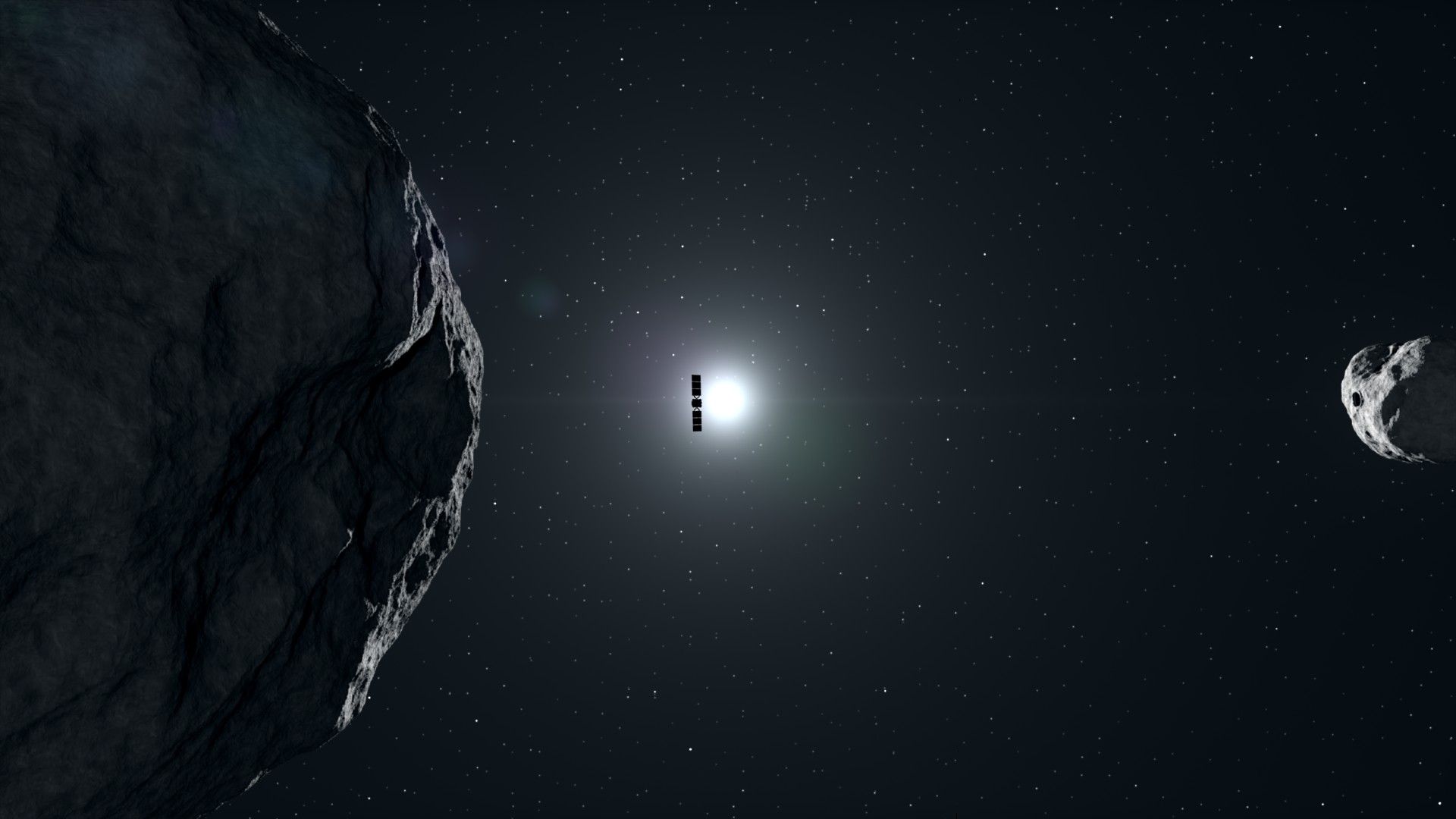
NASA's DART mission asteroid impact site to be inspected by Hera probe
Four years after NASA intentionally crashed the DART spacecraft into an asteroid, Europe's Hera probe is arriving to examine the resulting cosmic wreckage.
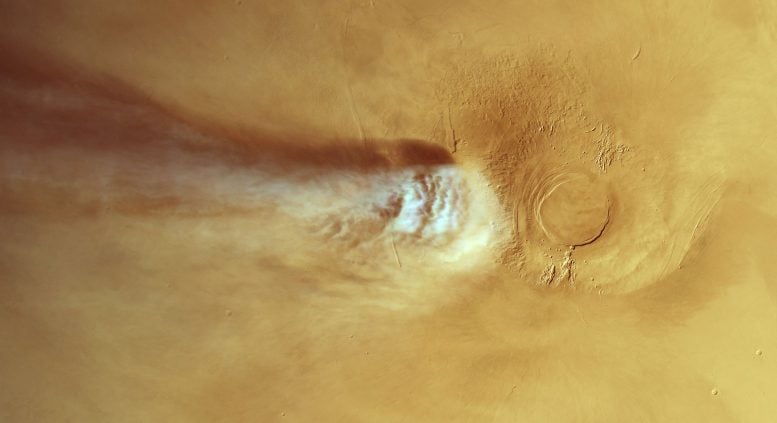
Mars's Arsia Mons cloud may form ice without dust
New modeling suggests that the recurring white cloud near the Arsia Mons volcano on Mars forms ice through a process never before observed in a planetary atmosphere.
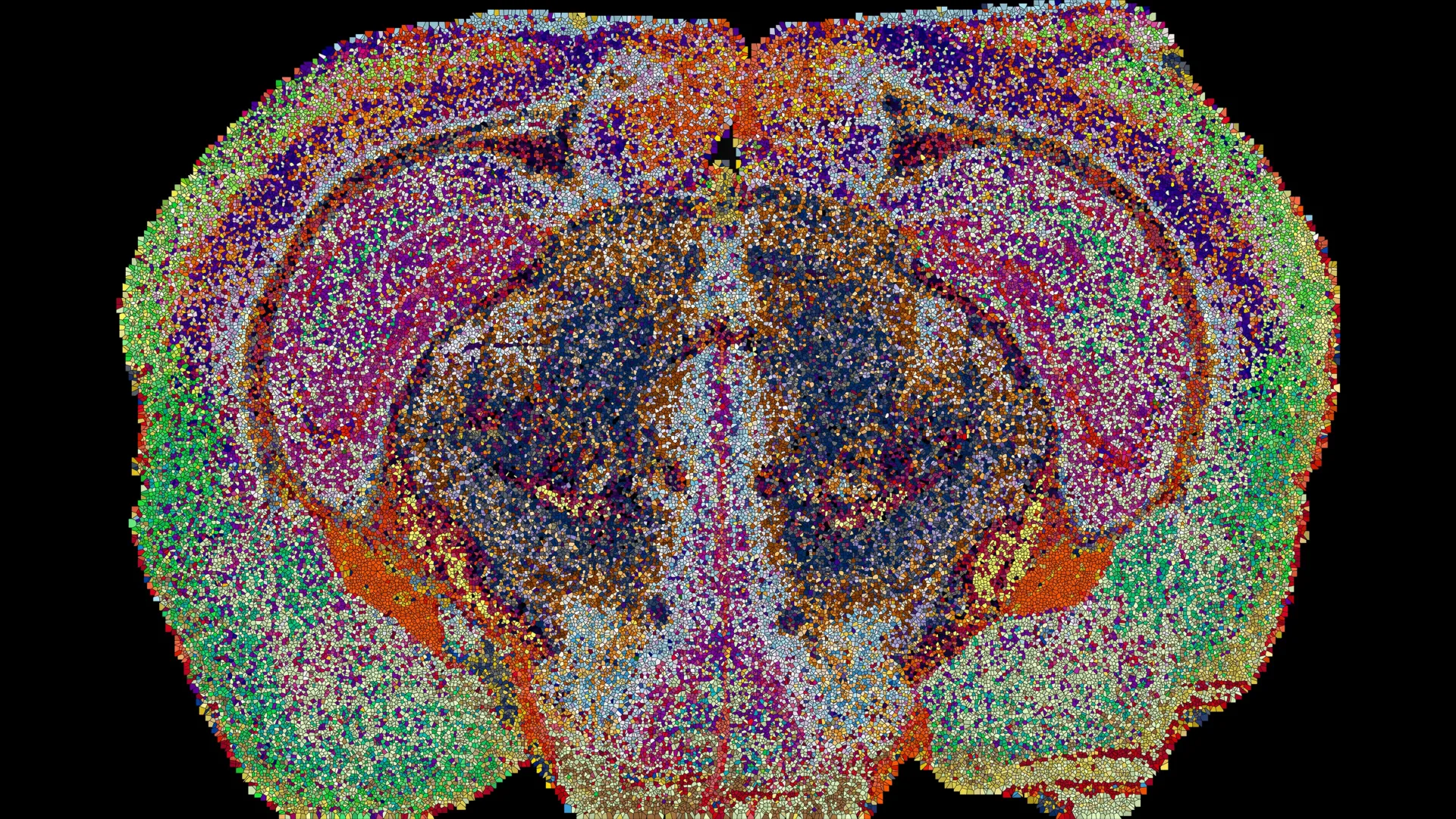
Scientists map 539 distinct chemical regions in the brain
Researchers have created a 3D map of lipids in mouse brains, identifying 539 chemically distinct zones that were previously unknown.