Scientists map 539 distinct chemical regions in the brain
🌀 Reality-Breaking
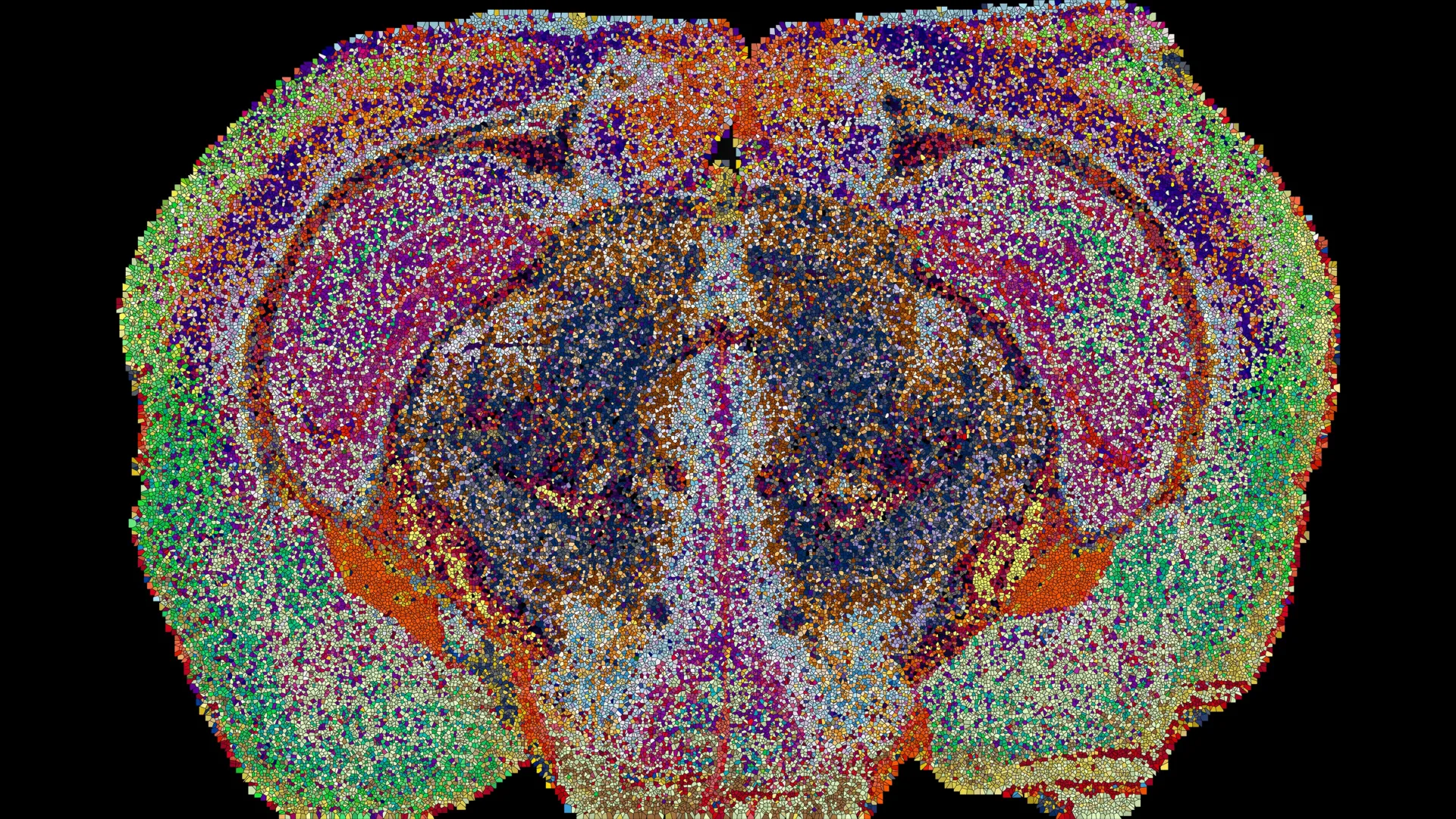
“Researchers have created a 3D map of lipids in mouse brains, identifying 539 chemically distinct zones that were previously unknown.”
Why It's Weird
Research pushes boundaries in ways that can seem bizarre but ultimately expand human knowledge. The moderate weirdness score suggests this is unusual but not completely unprecedented.
Read the full oddity in the app
Oddly Enough on the web is for discovery. Open the iPhone app for the complete story, offline saves, and your personalised feed.
Get Oddly Enough for iPhoneFull articles are available in the app.
Get Oddly Enough on iOS
Your daily dose of the world's weirdest, most wonderful news. Original articles, 100% autonomous.
Download on the App StoreYou might also like 👀

Gigantic prehistoric snake discovered in India may have been one of the largest ever
Scientists have identified a 47-million-year-old prehistoric snake named Vasuki indicus that may have reached 50 feet in length. This massive creature likely functioned as a slow-moving ambush predator similar to a modern anaconda.

Killer fungus survives treatment by copying its entire genome
Researchers discovered that the drug-resistant fungus Candida auris can survive antifungal treatments by creating multiple copies of its entire genome. The fungus also mutates a specific gene to maintain its cell wall integrity.

Scientists discover a vast world of unknown life in Earth’s lakes
Researchers reconstructed nearly 20,000 genomes from lake algae and amoebae, finding that fewer than 1 in 20 matched any known genus in genetic records.

Newly discovered antiviral system in bacteria is 'strangest of its kind'
Scientists have identified a bacterial immune system called 'type VI retrons' that functions in reverse of all previously known biological defenses. This discovery provides a potential new blueprint for engineering advanced DNA-editing tools.