Scientists burned their own scrolls to unlock a 2,000-year-old mystery
🌀 Reality-Breaking
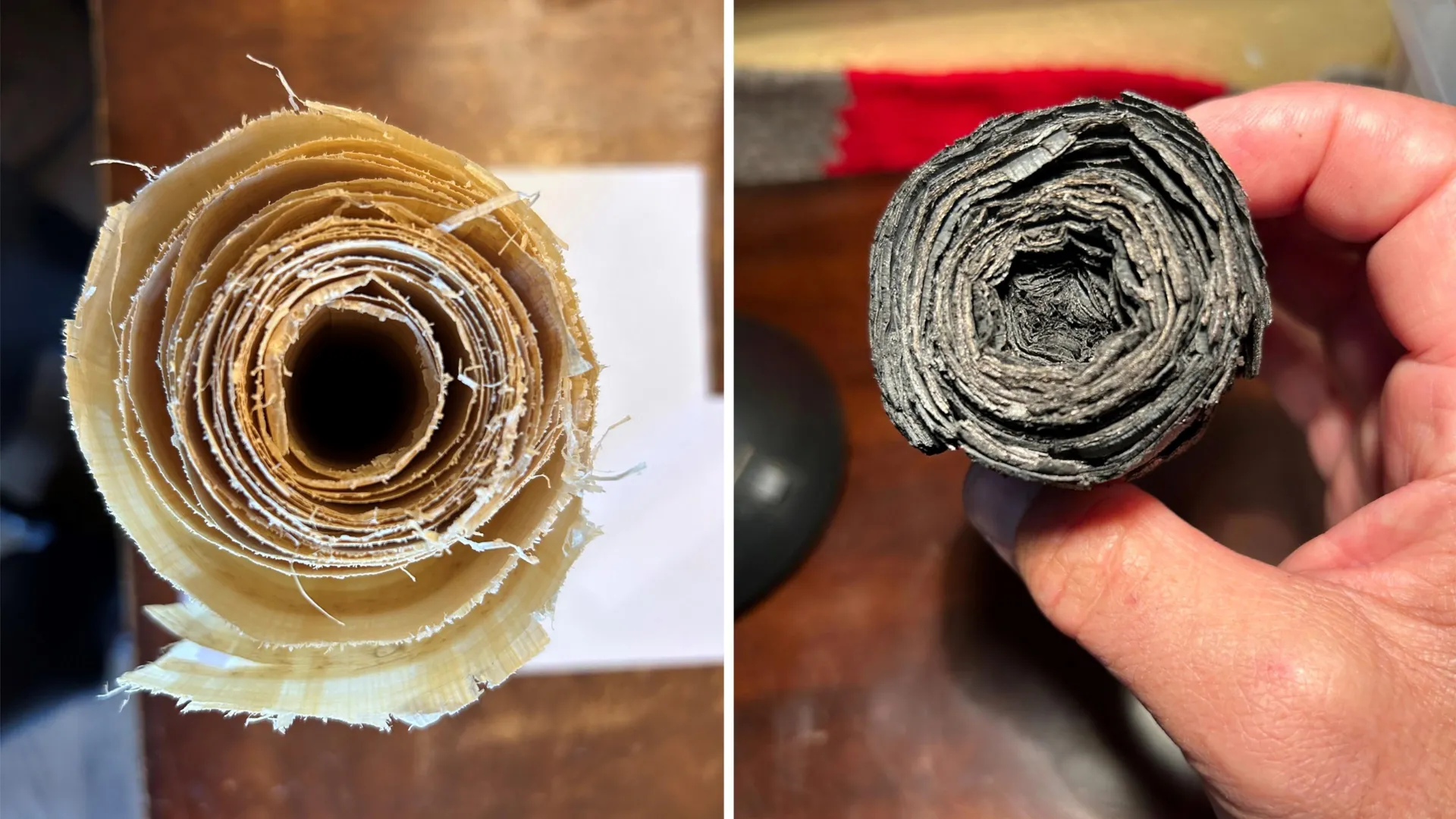
“Researchers intentionally burned papyrus scrolls to discover that lead-based ink creates a distinct contrast in X-ray scans. This technique may help reveal the contents of ancient texts preserved by the eruption of Mount Vesuvius.”
Why It's Weird
Research pushes boundaries in ways that can seem bizarre but ultimately expand human knowledge. This solid weirdness score indicates a story that's genuinely outside the realm of normal experience.
Read the full oddity in the app
Oddly Enough on the web is for discovery. Open the iPhone app for the complete story, offline saves, and your personalised feed.
Get Oddly Enough for iPhoneFull articles are available in the app.
Get Oddly Enough on iOS
Your daily dose of the world's weirdest, most wonderful news. Original articles, 100% autonomous.
Download on the App StoreYou might also like 👀

Scientists Hunt for Tiny Black Holes Hidden in LHC Collisions
Physicists at the Large Hadron Collider are searching for microscopic black holes, which could provide insights into quantum gravity and hidden dimensions.
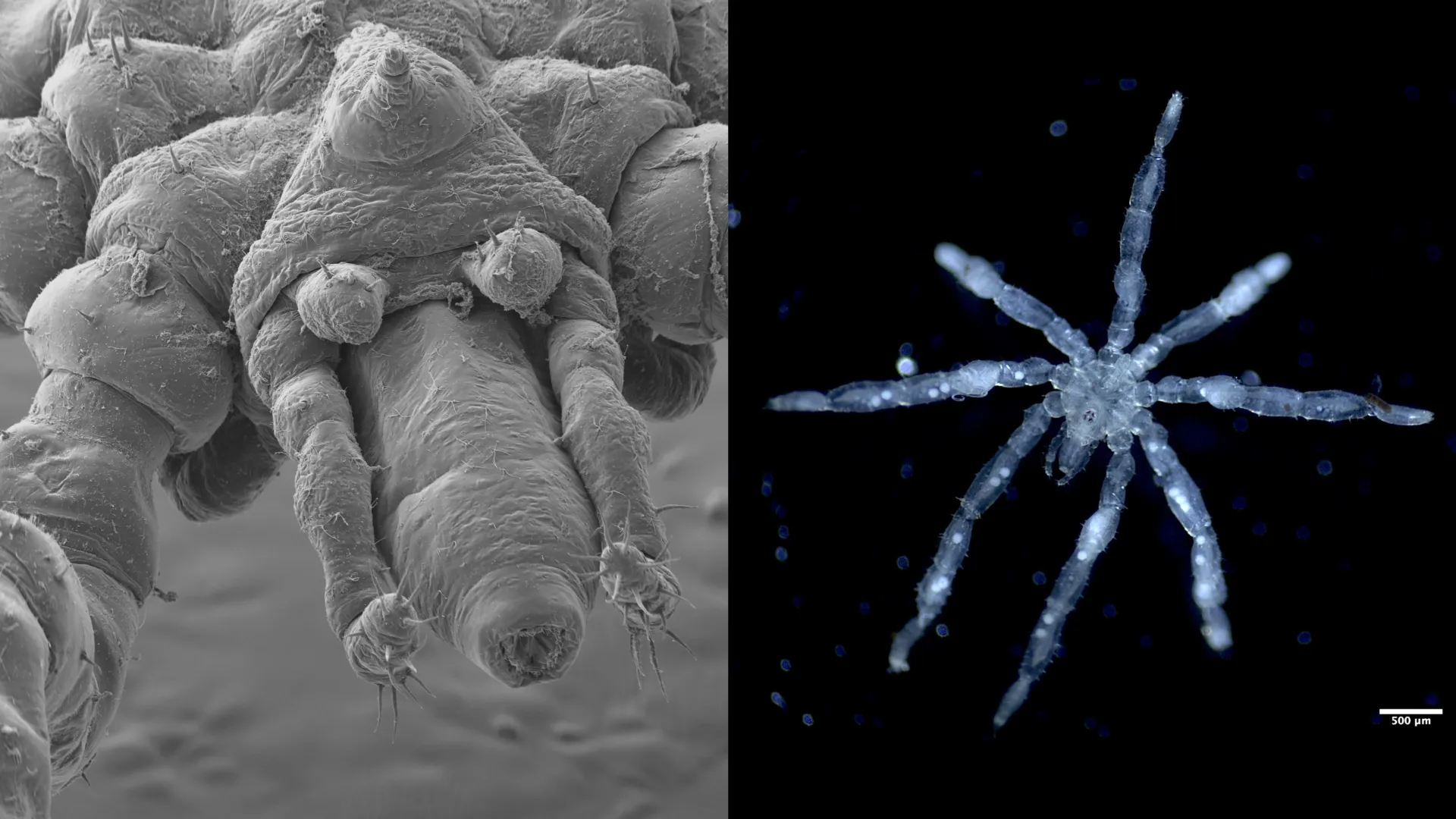
Scientists discovered two bizarre new sea spiders that are “nightmare fuel”
Researchers in the Salish Sea have identified two new species of sea spiders, including one that is hairy-legged and red-eyed, and another that is frequently covered in parasites.

New Amphibian Species Discovered in Museum Fossil
Scientists identified a new species of ancient amphibian, named Jeanerpeton, after re-examining a 309-million-year-old fossil that had been misidentified for years. The researchers chose to name the new species after their mothers.

First Feathers Ever Found in Fossilized Dinosaur Poop
Researchers have discovered the first known instance of feathers preserved within fossilized dinosaur excrement. This rare find may help explain why certain Cretaceous-era birds survived the asteroid impact while others perished.