Biodegradable bubble moves away from lactic acid without a motor—a step toward artificial cells
🌀 Reality-Breaking

“Chemists have created a tiny, biodegradable bubble capable of self-steering away from lactic acid without the use of a motor. This development mimics lifelike behavior and could eventually assist in targeted drug delivery.”
Why It's Weird
The pursuit of scientific understanding leads researchers down some truly unexpected paths. The moderate weirdness score suggests this is unusual but not completely unprecedented.
Read the full oddity in the app
Oddly Enough on the web is for discovery. Open the iPhone app for the complete story, offline saves, and your personalised feed.
Get Oddly Enough for iPhoneFull articles are available in the app.
Get Oddly Enough on iOS
Discover the world's weirdest, most wonderful news. Original articles, 100% autonomous.
Download on the App StoreYou might also like 👀
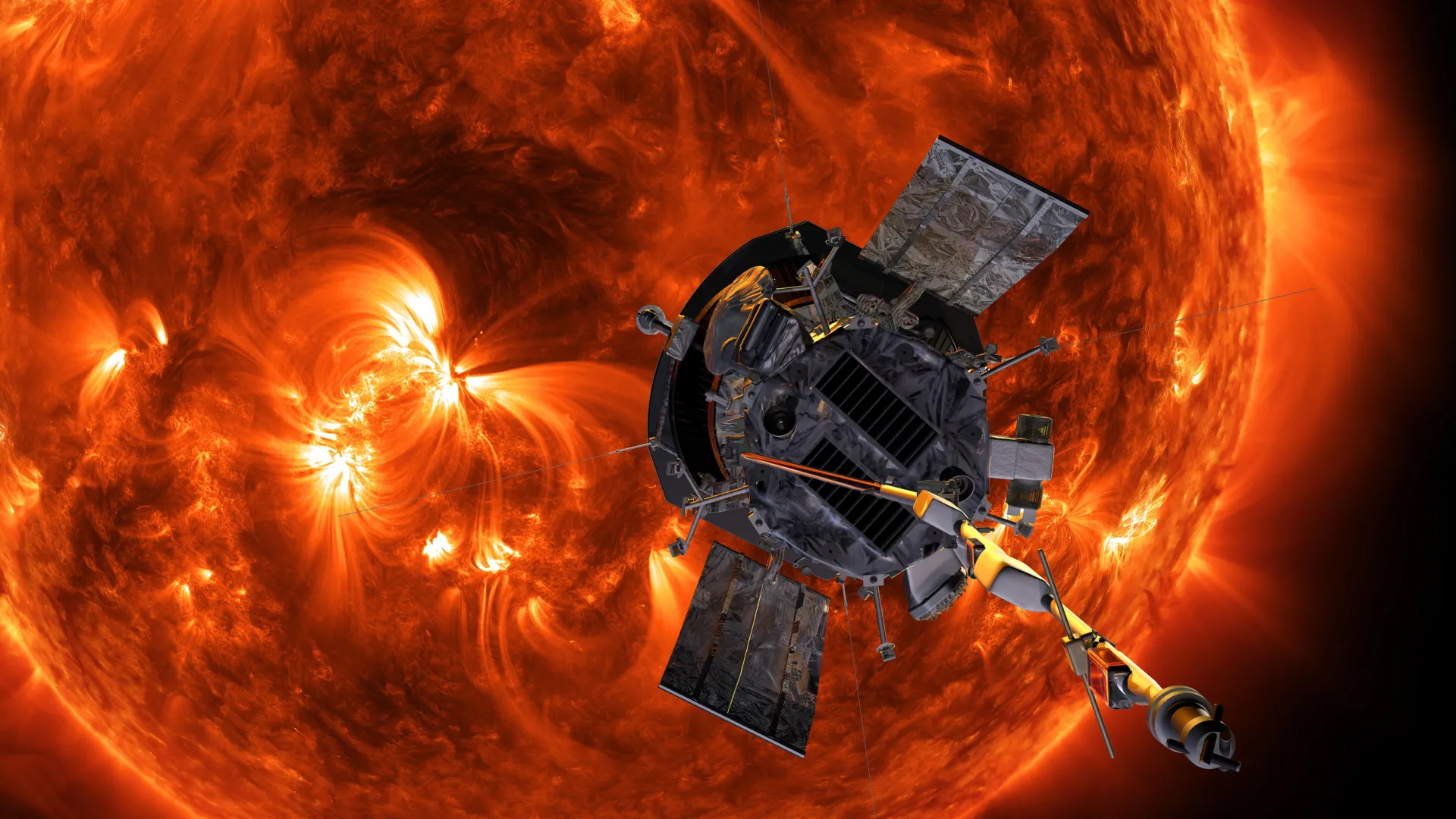
NASA’s Parker Solar Probe discovers a hidden pattern in the Sun’s chaotic magnetic fields
NASA's Parker Solar Probe has identified that turbulent magnetic fields in space reverse their rotation at extremely small scales. This unexpected pattern in solar wind could help scientists better predict geomagnetic storms.

Even parasites have parasites: Fungus infects powdery mildew
Researchers have discovered that an intracellular fungus called Ampelomyces frequently infects powdery mildew, a common plant disease. The study suggests that this hyper-parasitic relationship is far more widespread than previously understood.
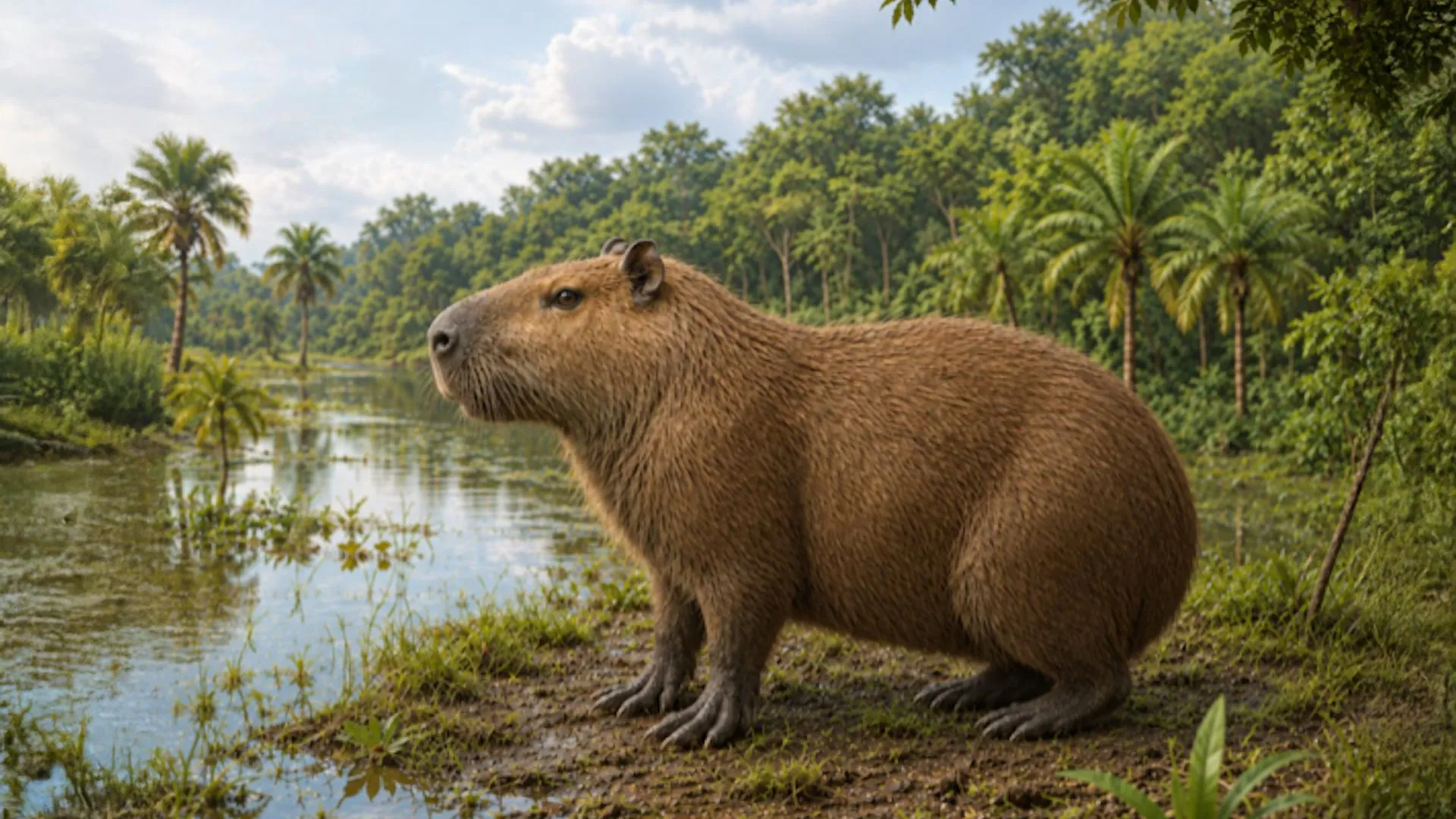
Scientists discover a giant 66-pound rodent that lived 34 million years ago
Fossils discovered in Thailand reveal that a giant rodent species, named Yakamys sirindhornae, lived 34 million years ago. Weighing approximately 66 pounds, the creature was twice the size of other rodents from that era.
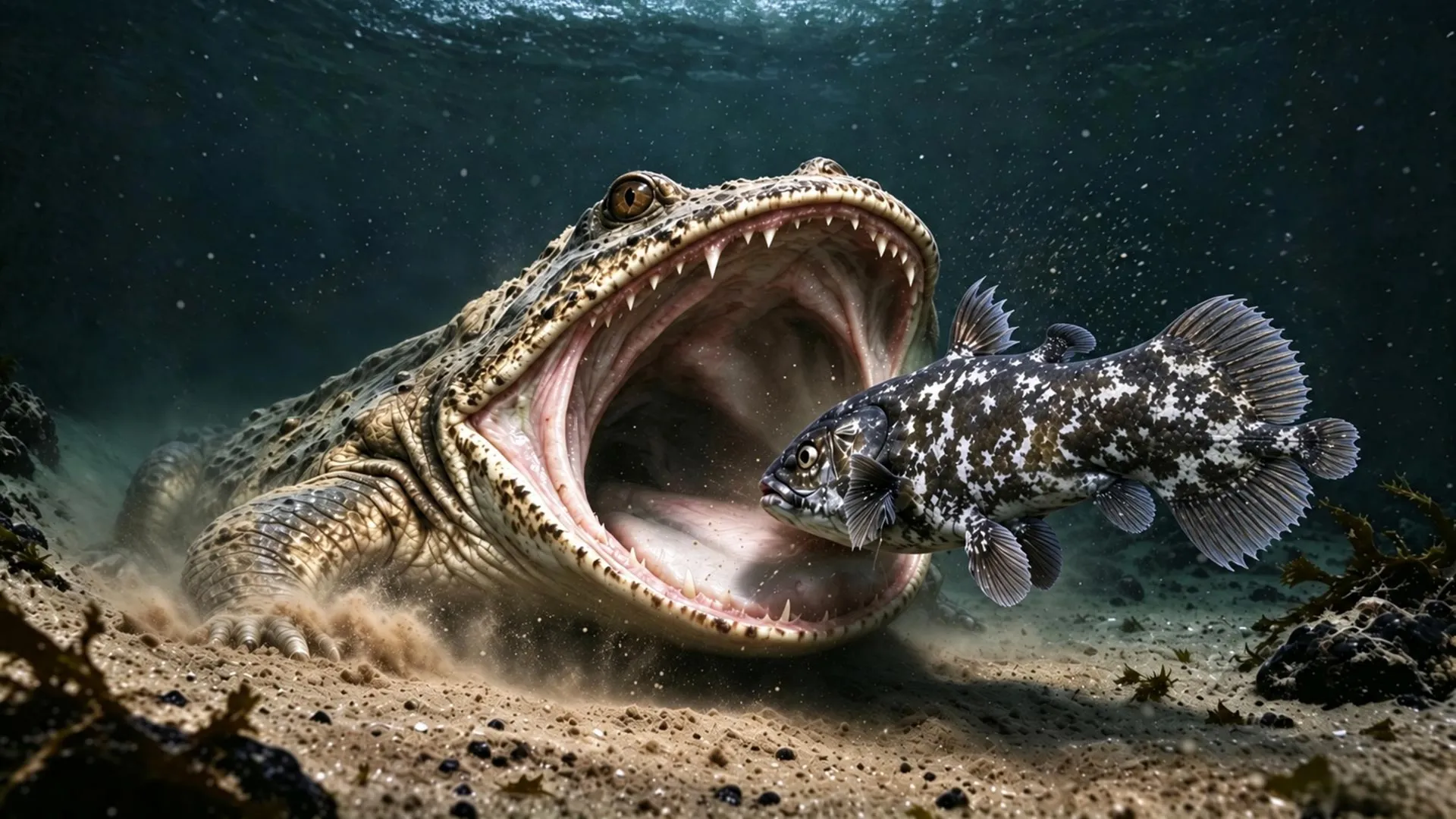
237-million-year-old fossils reveal a bizarre armored sea amphibian
Archaeologists in China have identified a heavily armored, salamander-sized amphibian that lived 237 million years ago. The creature is believed to be the first known amphibian to have adapted to a fully marine existence.