This 160-Million-Year-Old “Squid” Fossil Is Unlike Anything Scientists Have Seen
🌀 Reality-Breaking
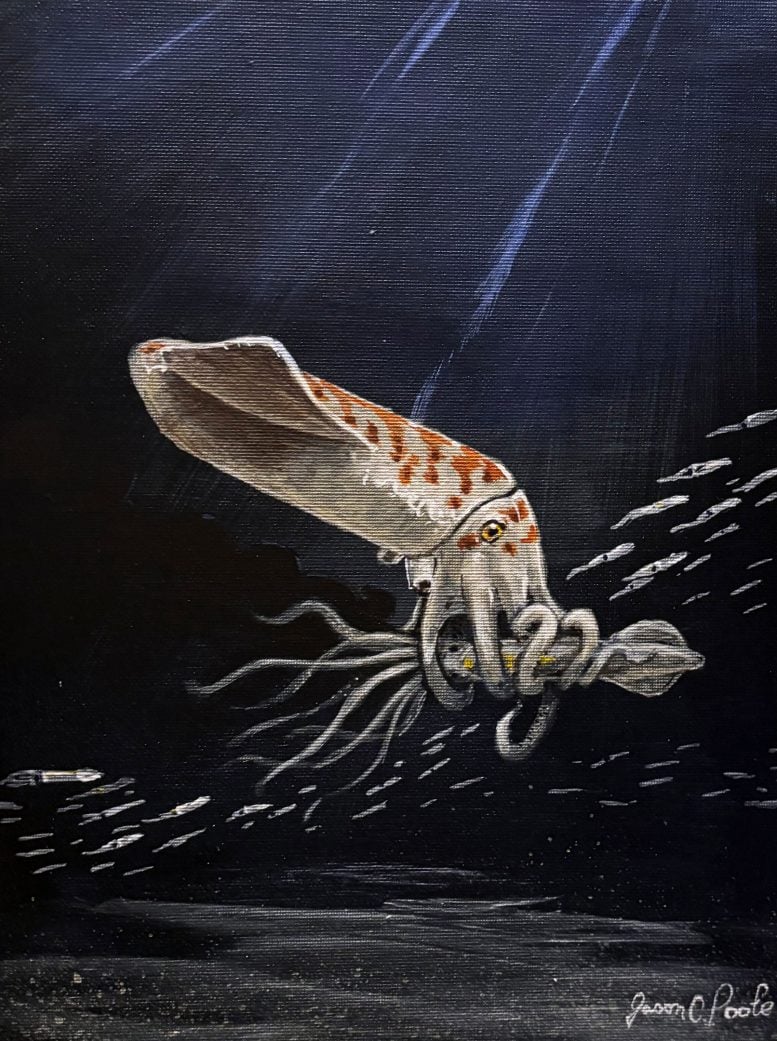
“Researchers have identified a new species of belemnite, Wyoteuthis linsterorum, which is the chunkiest squid relative ever discovered. The 160-million-year-old fossil challenges previous assumptions about when this family of animals vanished.”
Why It's Weird
Research pushes boundaries in ways that can seem bizarre but ultimately expand human knowledge. The moderate weirdness score suggests this is unusual but not completely unprecedented.
Read the full oddity in the app
Oddly Enough on the web is for discovery. Open the iPhone app for the complete story, offline saves, and your personalised feed.
Get Oddly Enough for iPhoneFull articles are available in the app.
Get Oddly Enough on iOS
Your daily dose of the world's weirdest, most wonderful news. Original articles, 100% autonomous.
Download on the App StoreYou might also like 👀

One ancient swimming mammal fossil and two evolutionary surprises, including a third set of teeth
A 120-million-year-old fossil of a semiaquatic mammal named Dongoconodon platycauda has been discovered in China. The creature possessed webbed feet and, unexpectedly, a third generation of teeth in its jaw.

Pickles Glow When You Run Electricity Through Them, and Researchers Finally Figured Out Why
Scientists have determined that the orange flash seen when electricity is passed through a pickle is caused by a specific interaction between sparks, hydrogen, and salt.

A Dinosaur Ate a Bird 66 Million Years Ago and Its Poop Preserved the Feathers in 3D
A tiny feather was discovered perfectly preserved in 3D inside a piece of fossilized dinosaur excrement dating back 66 million years.
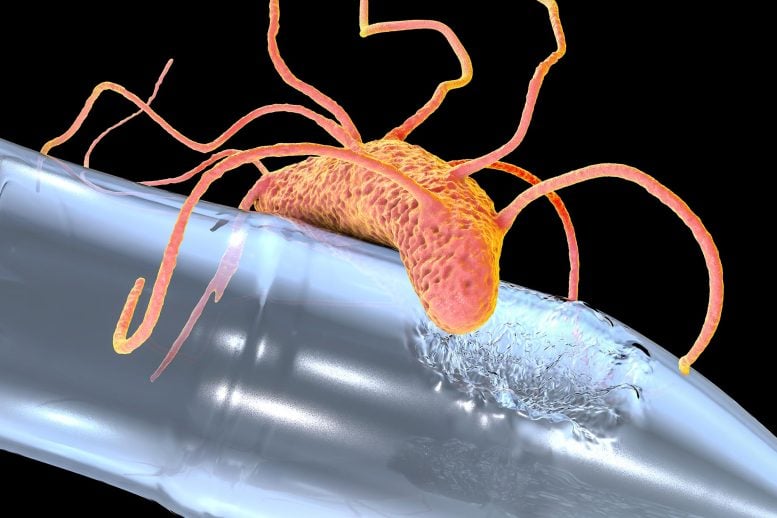
Scientists Discover “Pac-Man Enzyme” That Eats Plastic
A newly identified bacterial enzyme has the ability to break down certain polyesters and penicillin. This discovery offers a potential new method for addressing the accumulation of synthetic plastic waste in the environment.