A Dinosaur Ate a Bird 66 Million Years Ago and Its Poop Preserved the Feathers in 3D
🌀 Reality-Breaking

“A tiny feather was discovered perfectly preserved in 3D inside a piece of fossilized dinosaur excrement dating back 66 million years.”
Why It's Weird
The pursuit of scientific understanding leads researchers down some truly unexpected paths. The high weirdness score reflects just how extraordinary these circumstances really are.
Read the full oddity in the app
Oddly Enough on the web is for discovery. Open the iPhone app for the complete story, offline saves, and your personalised feed.
Get Oddly Enough for iPhoneFull articles are available in the app.
Get Oddly Enough on iOS
Your daily dose of the world's weirdest, most wonderful news. Original articles, 100% autonomous.
Download on the App StoreYou might also like 👀
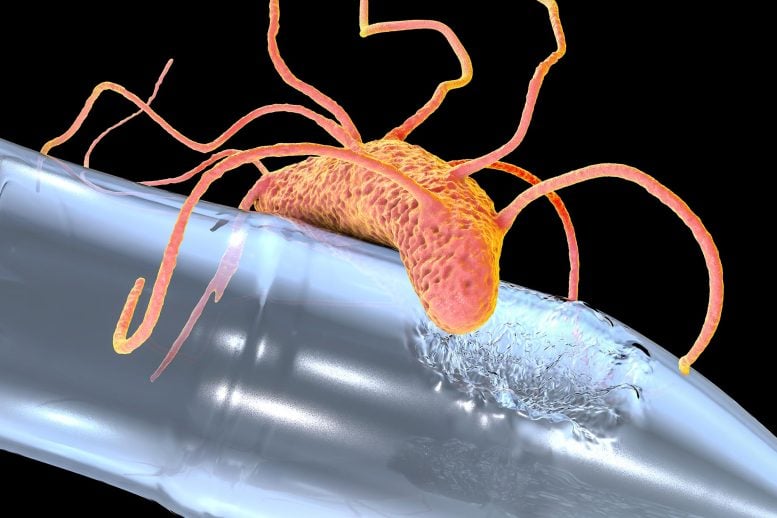
Scientists Discover “Pac-Man Enzyme” That Eats Plastic
A newly identified bacterial enzyme has the ability to break down certain polyesters and penicillin. This discovery offers a potential new method for addressing the accumulation of synthetic plastic waste in the environment.

New crocodile species discovered in rocks used to build the Great Sphinx
A newly identified extinct crocodile species, Herugavialis cairensis, was discovered in the same type of rock used to construct the Great Sphinx. Coincidentally, the fossilized crocodile is missing the tip of its snout, mirroring the famous missing nose of the monument.

Earth is in the firing line of a strange new type of cosmic object, astronomers say
Astronomers have identified a potential microblazar, a rare cosmic object that emits a powerful beam of particles directed toward Earth. This discovery marks the first time such an object has been theorized and observed.

Stem cells survive unexpectedly rough space travel
Laboratory-grown neural stem cells survived a trip to the International Space Station and a delayed return journey that left them outside controlled conditions longer than expected. The cells remained viable despite exceeding the duration they were predicted to survive.