Injectable nanoparticles make blind retinas respond to light in preclinical study
🌀 Reality-Breaking

“Researchers have developed microscopic particles that, when injected into the eye, act as light receptors to help blind retinas send signals to the brain.”
Why It's Weird
Scientific breakthroughs often sound absurd until you understand the brilliant logic behind them. This solid weirdness score indicates a story that's genuinely outside the realm of normal experience.
Read the full oddity in the app
Oddly Enough on the web is for discovery. Open the iPhone app for the complete story, offline saves, and your personalised feed.
Get Oddly Enough for iPhoneFull articles are available in the app.
Get Oddly Enough on iOS
Your daily dose of the world's weirdest, most wonderful news. Original articles, 100% autonomous.
Download on the App StoreYou might also like 👀

Scientists discover an exotic new form of ice
Researchers have identified a new type of exotic ice that can reach temperatures high enough to melt steel. This discovery may help explain mysteries regarding the outer solar system.

Ancient cave collapses explain mysterious Australian trenches
Geologists have determined that distinct trenches scoring Australia's Nullarbor Plain were caused by the collapse of giant cave systems located far beneath the surface.
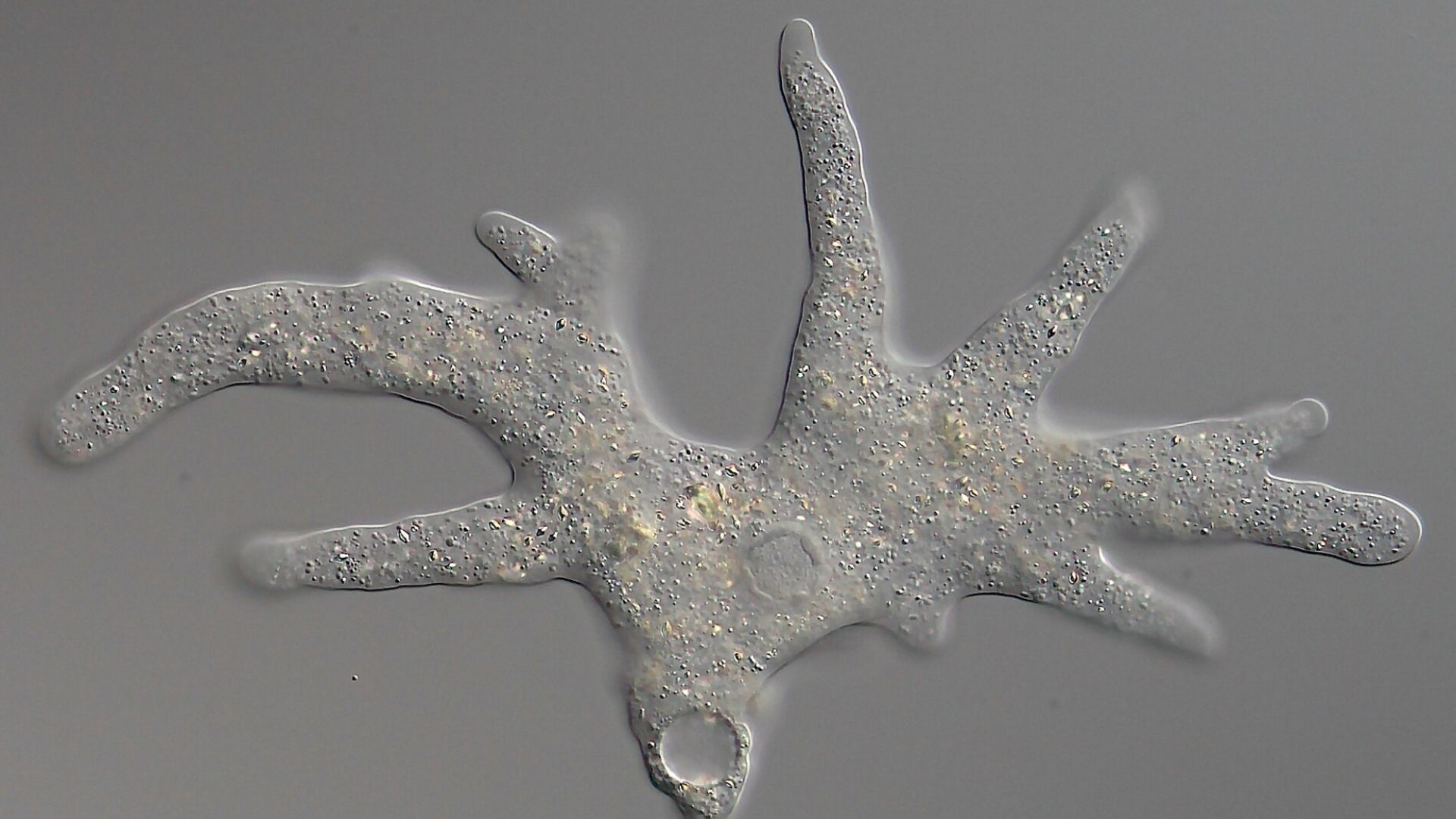
California’s ‘fire amoeba’ reproduces at 145°F, sets new heat record for complex life
A single-celled organism discovered in a steaming California creek has set a new record for heat tolerance, successfully reproducing at 145°F.

Medieval Manuscripts Reveal a 3,500-Year-Old Viral Secret Hidden in Parchment
Researchers have recovered ancient viral DNA from medieval parchment, revealing that the sheep pox virus has been circulating for 3,500 years. The study highlights how animal skins used for historical documents serve as unexpected biological archives.