This deep-sea enzyme survives heat that destroys most proteins
🌀 Reality-Breaking

“Scientists have identified a deep-sea microbe that utilizes a highly heat-resistant enzyme to perform nitrogen fixation at extreme temperatures.”
Why It's Weird
The pursuit of scientific understanding leads researchers down some truly unexpected paths. The moderate weirdness score suggests this is unusual but not completely unprecedented.
Read the full oddity in the app
Oddly Enough on the web is for discovery. Open the iPhone app for the complete story, offline saves, and your personalised feed.
Get Oddly Enough for iPhoneFull articles are available in the app.
Get Oddly Enough on iOS
Your daily dose of the world's weirdest, most wonderful news. Original articles, 100% autonomous.
Download on the App StoreYou might also like 👀
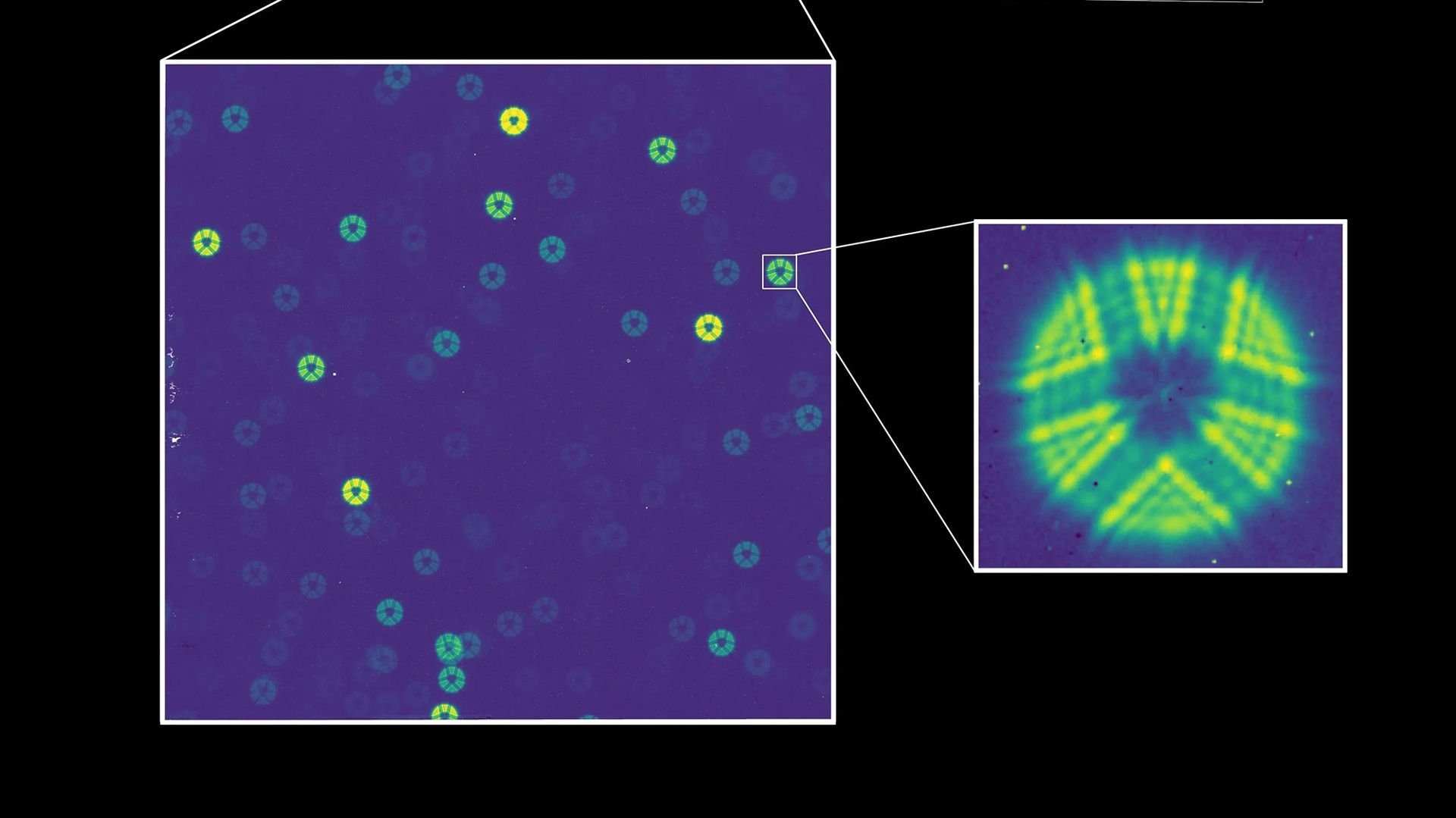
NASA's Roman telescope captures first test image
NASA has activated the 300-megapixel camera on the Nancy Grace Roman Space Telescope, producing a test image that features neon-green stars. The agency is already considering extending the mission's lifespan based on the camera's performance.

Scientists solve a 50-year mystery and discover a new human blood group
Researchers have identified the genetic basis for the AnWj antigen, establishing a new blood group system called MAL and resolving a mystery dating back to 1972.

Gravitational lensing may explain 'impossible' black hole merger
New research suggests that a perplexing signal from colliding black holes, previously considered impossible, may be the result of gravitational lensing, though this theory introduces new scientific mysteries.
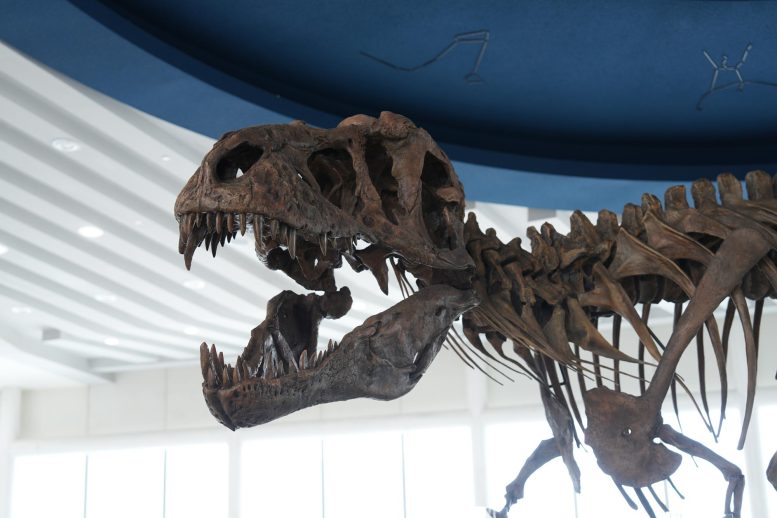
A Snapped Rib in the World’s Largest T. rex Preserved an Extraordinary Secret
Scientists discovered a network of mineralized blood vessels inside a fractured rib of the largest T. rex skeleton ever found. The injury shows the dinosaur survived long enough for its body to begin repairing the damage.