Four Decades Ago, Scientists Dropped Gophers Onto a Volcano. They Might Try It Again.
🌀 Reality-Breaking

“Decades after scientists introduced gophers to the volcanic landscape of Mount St. Helens to study their impact on soil and plant recovery, researchers are considering repeating the experiment.”
Why It's Weird
Scientific breakthroughs often sound absurd until you understand the brilliant logic behind them. This solid weirdness score indicates a story that's genuinely outside the realm of normal experience.
Read the full oddity in the app
Oddly Enough on the web is for discovery. Open the iPhone app for the complete story, offline saves, and your personalised feed.
Get Oddly Enough for iPhoneFull articles are available in the app.
Get Oddly Enough on iOS
Your daily dose of the world's weirdest, most wonderful news. Original articles, 100% autonomous.
Download on the App StoreYou might also like 👀
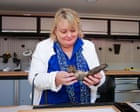
Fossilised red blood cells found in 115m-year-old dinosaur’s bone, say scientists
Scientists analyzing the hind leg bones of an Aratasaurus dinosaur from Brazil claim to have identified fossilized red blood cells and traces of heme. The 115-million-year-old discovery suggests that organic compounds can be preserved far longer than previously thought.
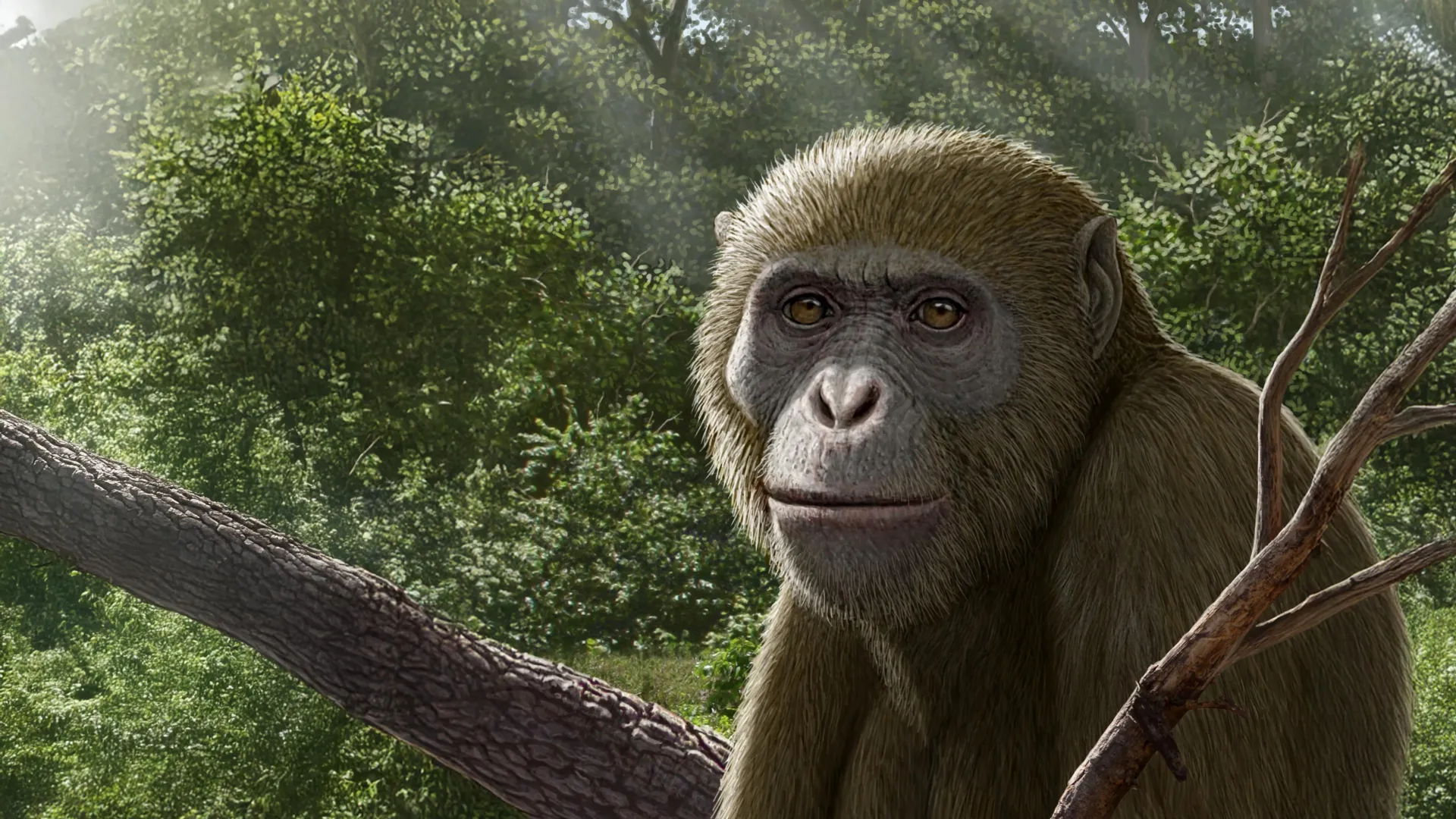
Ancient ape fossil in Egypt could rewrite the story of human origins
A 17- to 18-million-year-old ape fossil discovered in Egypt suggests that North Africa and the Middle East may have been the original cradle of modern ape evolution. This finding challenges the long-held belief that these ancestors first evolved in East Africa.
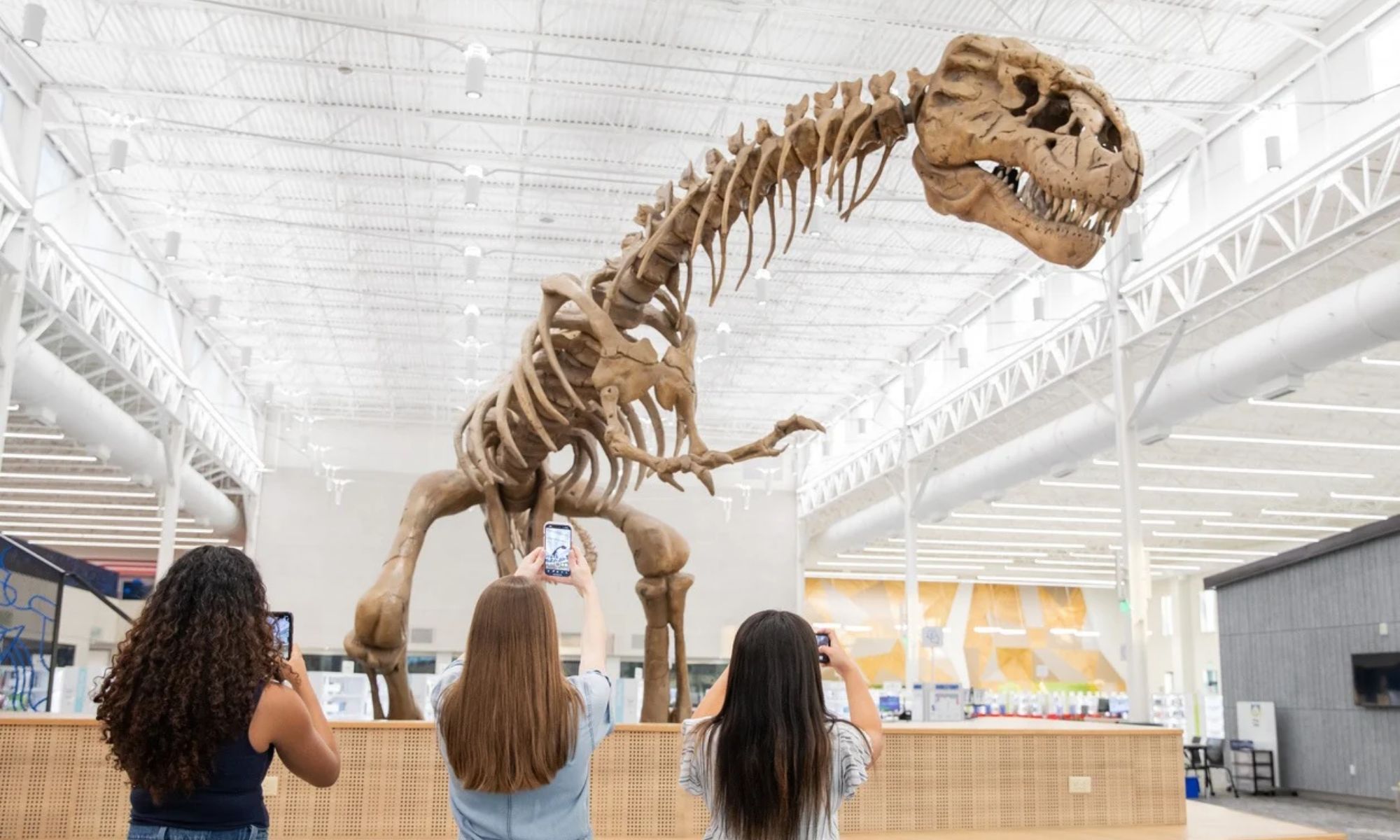
A fossil sat in a London museum drawer for nearly 100 years before scientists realized it was a new dinosaur
A dinosaur skull that remained overlooked in a London museum drawer for a century has been identified as a new species, Invictibellatrix, the first known European megaraptoran.
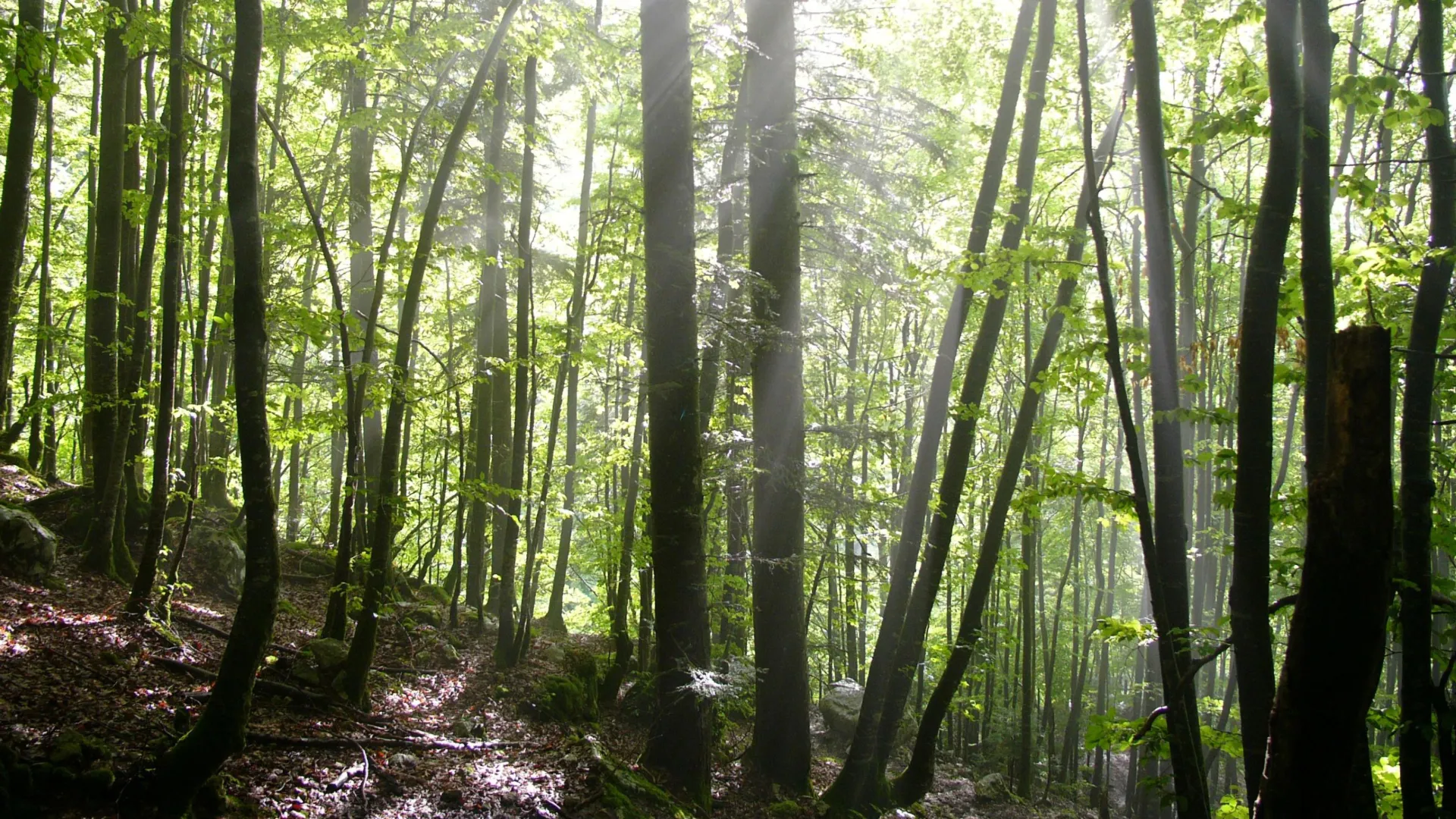
Scientists discover the hidden “muscles” trees use to straighten themselves
Researchers have identified specialized wood in trees that functions like opposing muscles, allowing them to sense their own shape and actively correct their posture. This discovery could lead to advancements in timber production and crop resilience.