Gravitational lensing may explain 'impossible' black hole merger
🌀 Reality-Breaking
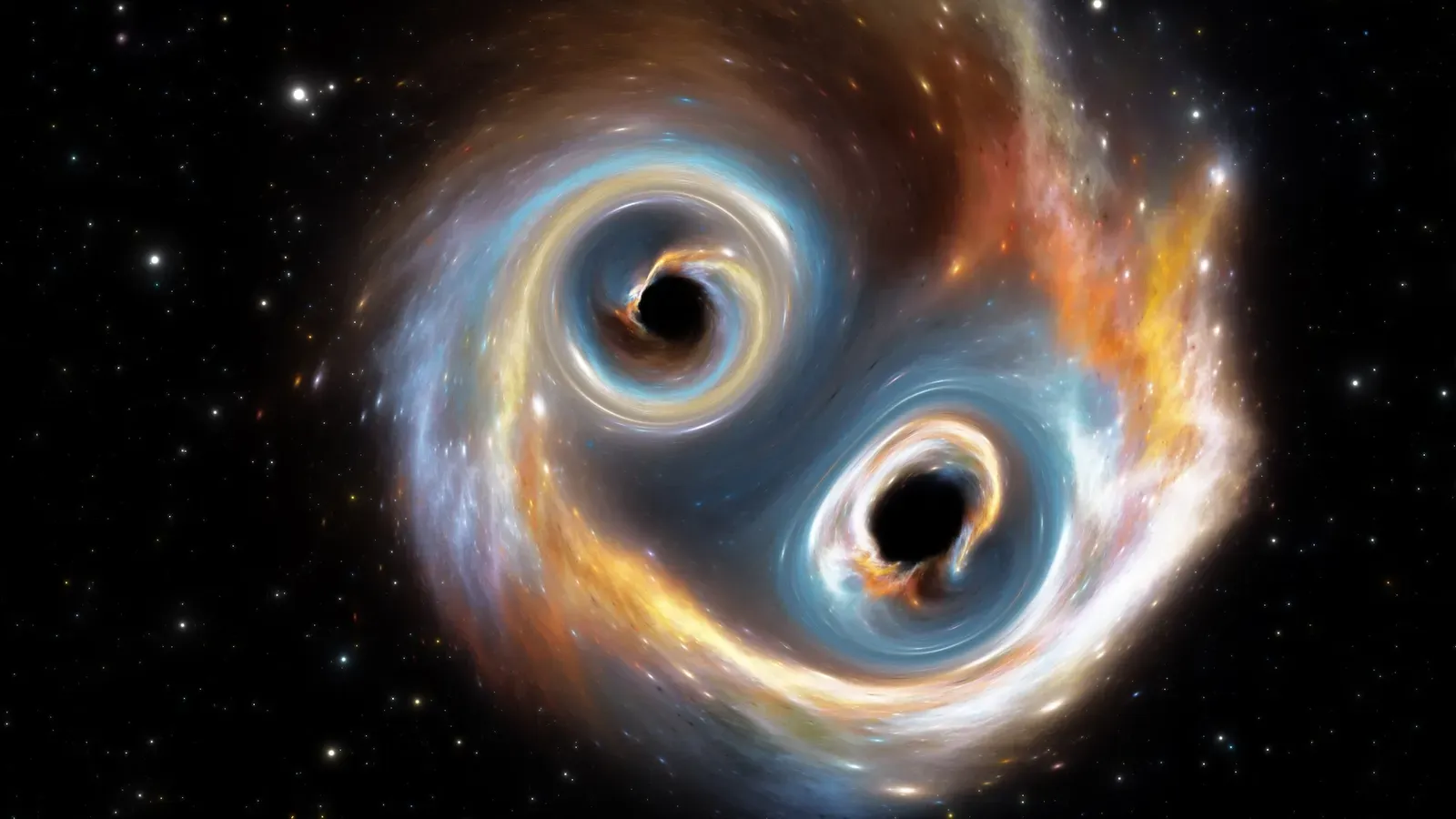
“New research suggests that a perplexing signal from colliding black holes, previously considered impossible, may be the result of gravitational lensing, though this theory introduces new scientific mysteries.”
Why It's Weird
Research pushes boundaries in ways that can seem bizarre but ultimately expand human knowledge. This solid weirdness score indicates a story that's genuinely outside the realm of normal experience.
Read the full oddity in the app
Oddly Enough on the web is for discovery. Open the iPhone app for the complete story, offline saves, and your personalised feed.
Get Oddly Enough for iPhoneFull articles are available in the app.
Get Oddly Enough on iOS
Your daily dose of the world's weirdest, most wonderful news. Original articles, 100% autonomous.
Download on the App StoreYou might also like 👀

Scientists solve a 50-year mystery and discover a new human blood group
Researchers have identified the genetic basis for the AnWj antigen, establishing a new blood group system called MAL and resolving a mystery dating back to 1972.

A Snapped Rib in the World’s Largest T. rex Preserved an Extraordinary Secret
Scientists discovered a network of mineralized blood vessels inside a fractured rib of the largest T. rex skeleton ever found. The injury shows the dinosaur survived long enough for its body to begin repairing the damage.

Scientists build a DNA computer that can perform calculations in a drop of water
Researchers have created a programmable computer made of DNA capable of performing arithmetic operations within a single drop of water. The system operates without the need for a continuous external power supply.

518-million-year-old fossil reveals new details about starfish evolution
Newly discovered fossils from China suggest that early starfish ancestors lived on the seabed with feathery feeding arms, rather than burrowing as previously thought.