Scientists Discover Striking Orange Killifish in the Amazon’s Threatened Forest Pools
🌀 Reality-Breaking
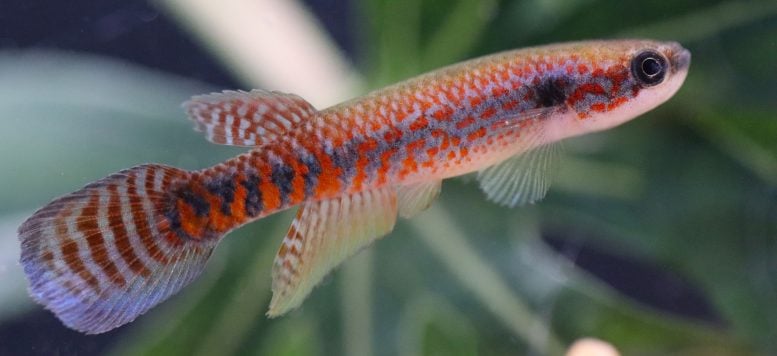
“Researchers have identified a new species of brightly colored, orange freshwater killifish named Laimosemion laranja in the Brazilian Amazon. The fish is known to inhabit only three disturbed forest pools and belongs to a group capable of lying dormant as embryos during seasonal dry spells.”
Why It's Weird
The natural world continues to prove that truth is indeed stranger than fiction. The moderate weirdness score suggests this is unusual but not completely unprecedented.
Read the full oddity in the app
Oddly Enough on the web is for discovery. Open the iPhone app for the complete story, offline saves, and your personalised feed.
Get Oddly Enough for iPhoneFull articles are available in the app.
Get Oddly Enough on iOS
Your daily dose of the world's weirdest, most wonderful news. Original articles, 100% autonomous.
Download on the App StoreYou might also like 👀
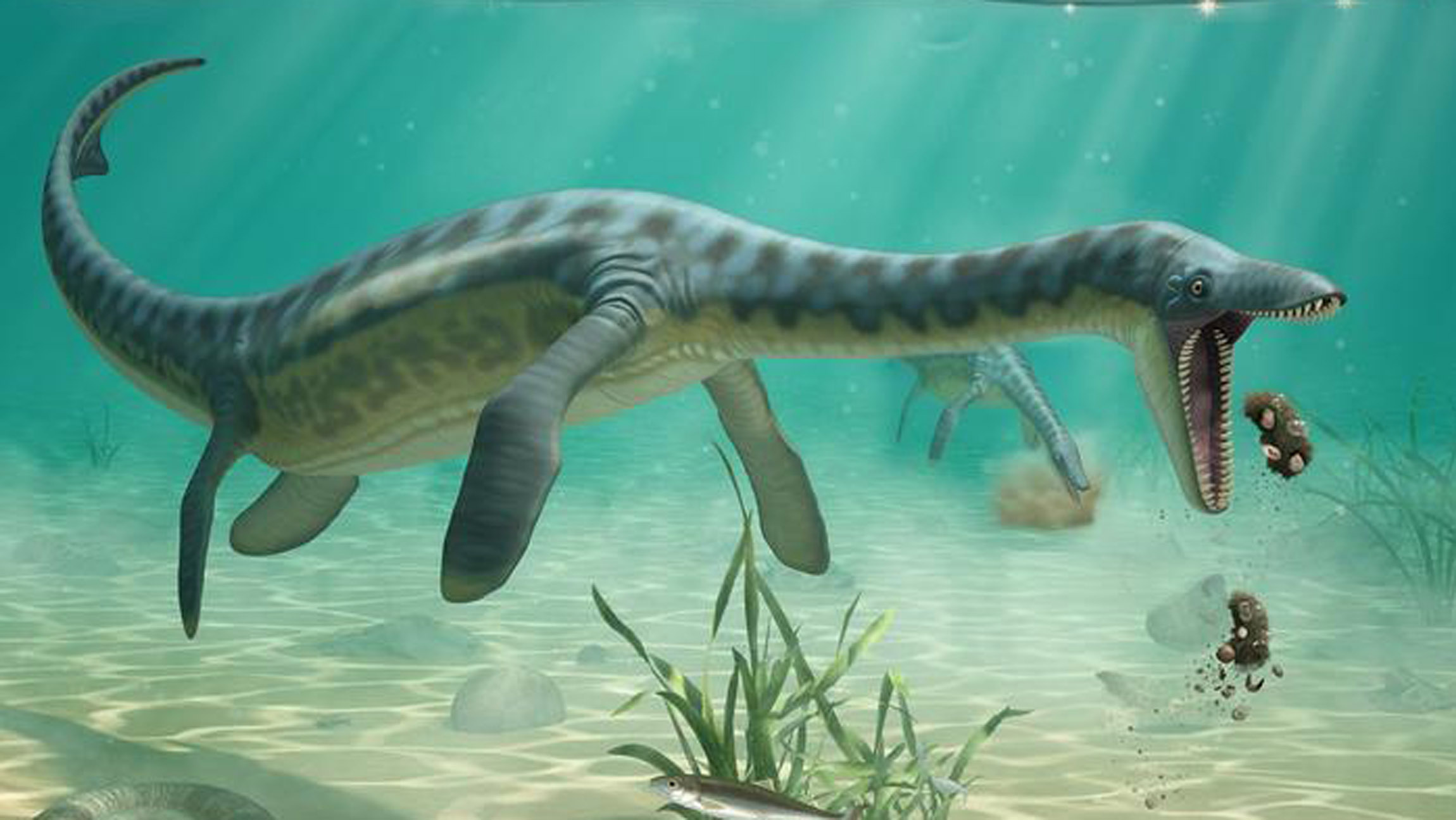
Long-necked sea monsters may have left behind a record of their meals
Mysterious seashell fossils found beneath the North Sea may be the fossilized vomit of ancient plesiosaurs. These prehistoric marine reptiles likely regurgitated the shells after hunting in the Jurassic era.
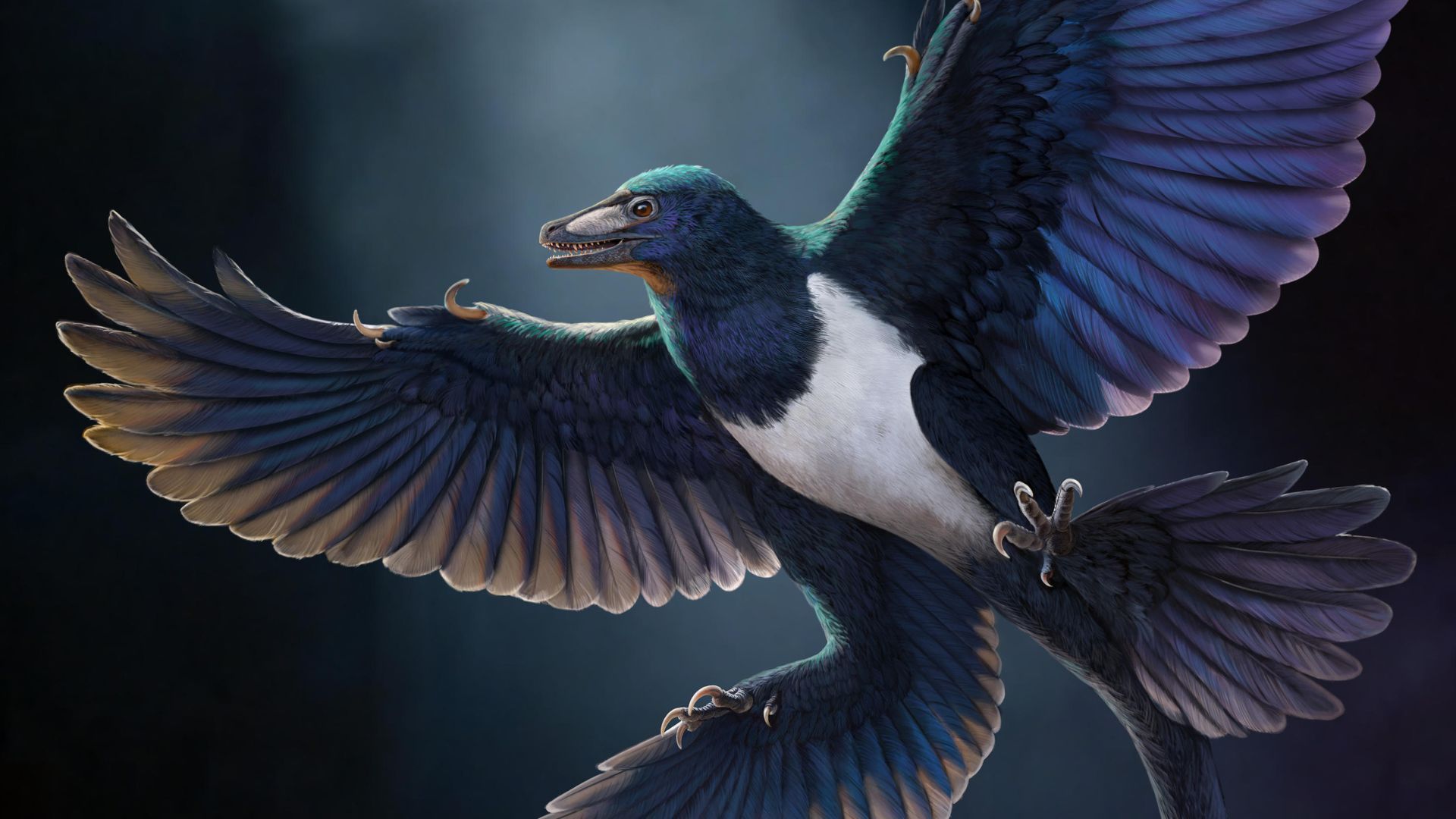
Remarkably preserved feathered dinosaur discovered in China reveals new secrets of flying predator evolution
A newly discovered feathered dinosaur named Norellraptor barsboldi featured four wings and sharp teeth, providing evidence that flight may have evolved multiple times among different dinosaur groups.

Scientists Found Two Bizarre New Sea Spiders. One Has Three Lips and Red Eyes
Researchers have identified two new species of sea spiders, one of which is notable for its three lips and red eyes. The other newly discovered species was found to be covered in microscopic parasites.
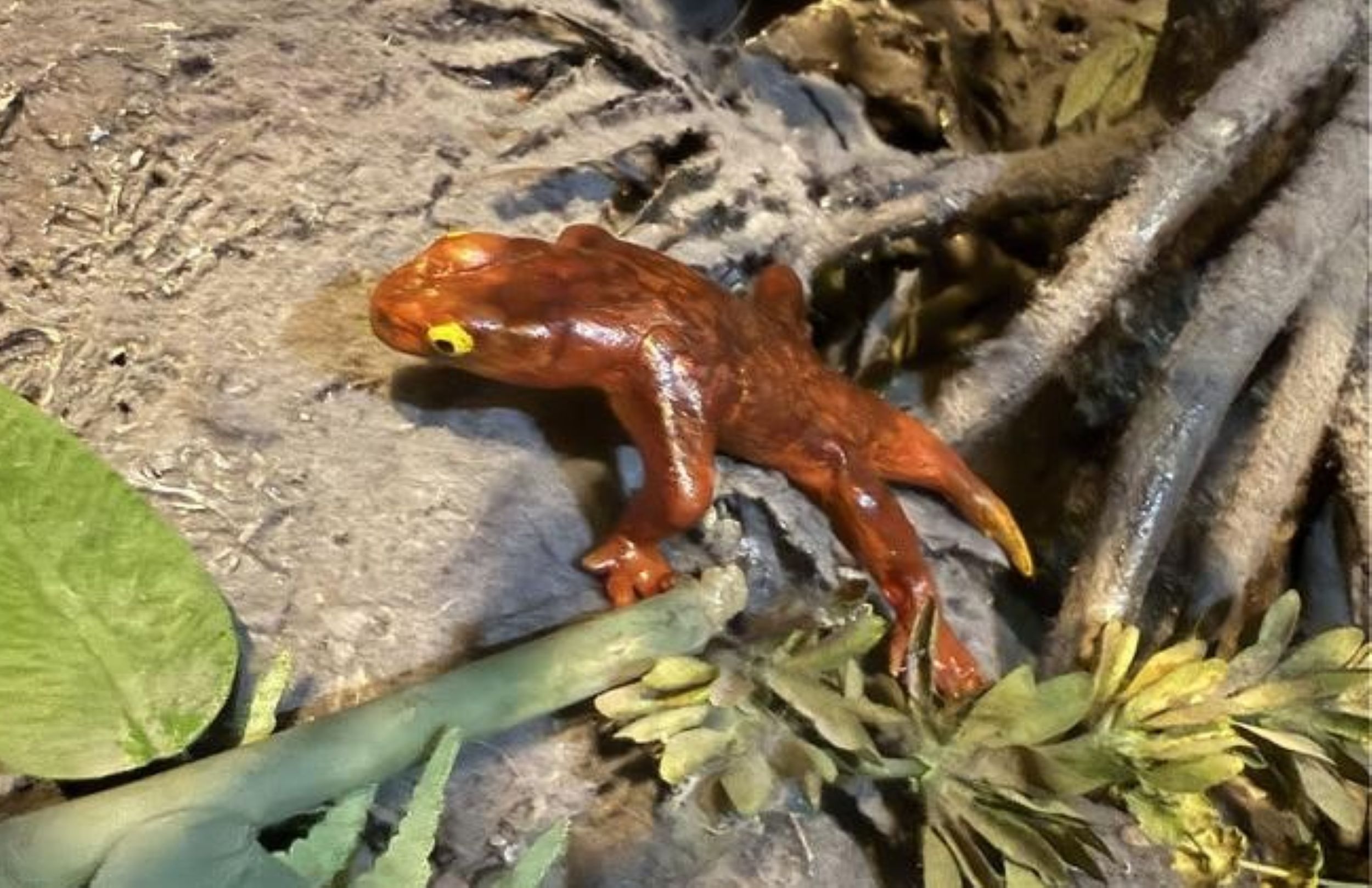
300-million-year-old fossil was hiding a different animal
A fossil discovered in Illinois has been reclassified as a previously unknown early amphibian relative named Jeanerpeton mazonensis. The finding highlights the diversity of ancient life 309 million years ago.