Scientists Found Two Bizarre New Sea Spiders. One Has Three Lips and Red Eyes
🌀 Reality-Breaking

“Researchers have identified two new species of sea spiders, one of which is notable for its three lips and red eyes. The other newly discovered species was found to be covered in microscopic parasites.”
Why It's Weird
Wildlife stories like this remind us that animals are far more complex than we imagine. This solid weirdness score indicates a story that's genuinely outside the realm of normal experience.
Read the full oddity in the app
Oddly Enough on the web is for discovery. Open the iPhone app for the complete story, offline saves, and your personalised feed.
Get Oddly Enough for iPhoneFull articles are available in the app.
Get Oddly Enough on iOS
Your daily dose of the world's weirdest, most wonderful news. Original articles, 100% autonomous.
Download on the App StoreYou might also like 👀
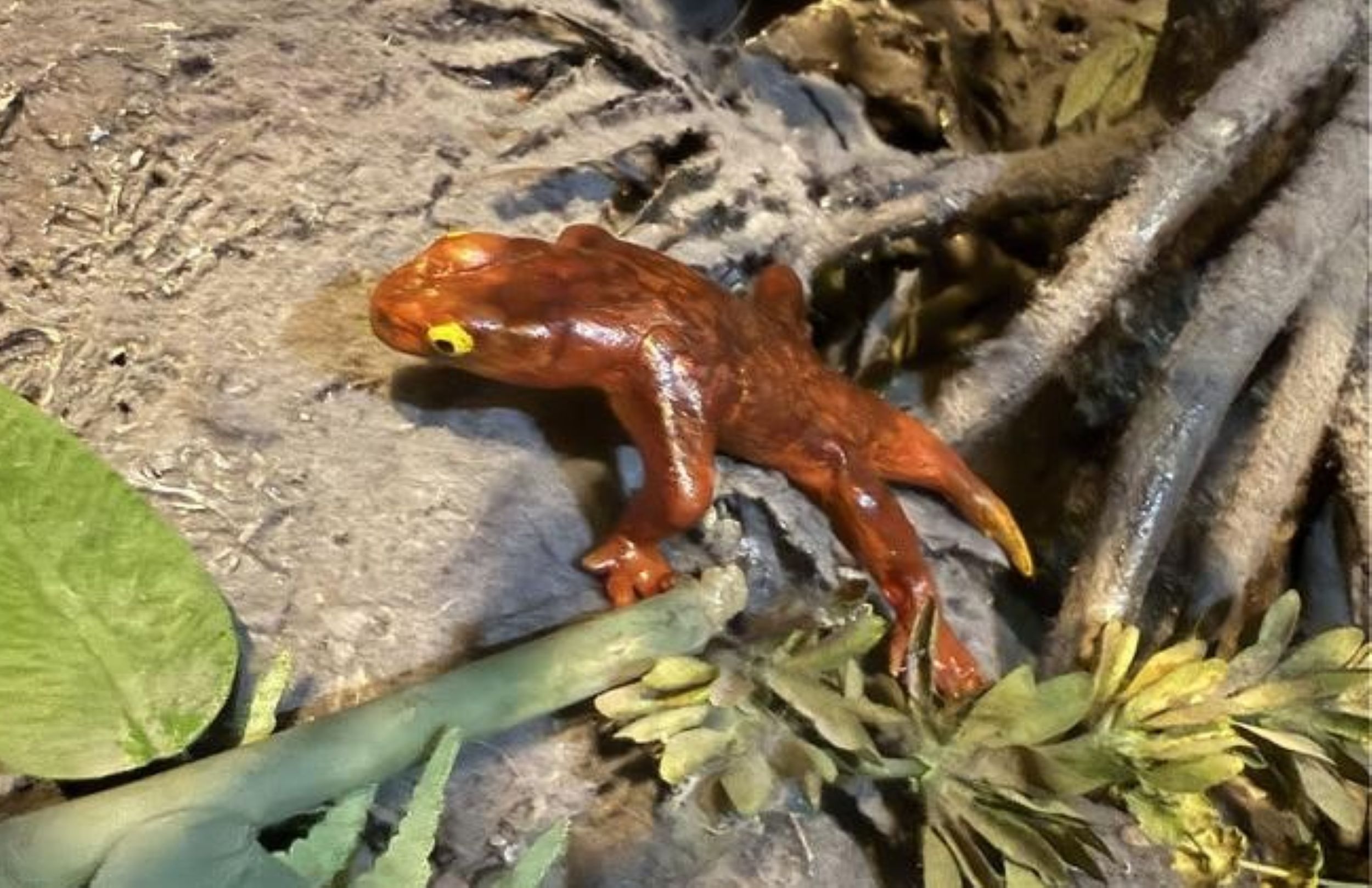
300-million-year-old fossil was hiding a different animal
A fossil discovered in Illinois has been reclassified as a previously unknown early amphibian relative named Jeanerpeton mazonensis. The finding highlights the diversity of ancient life 309 million years ago.
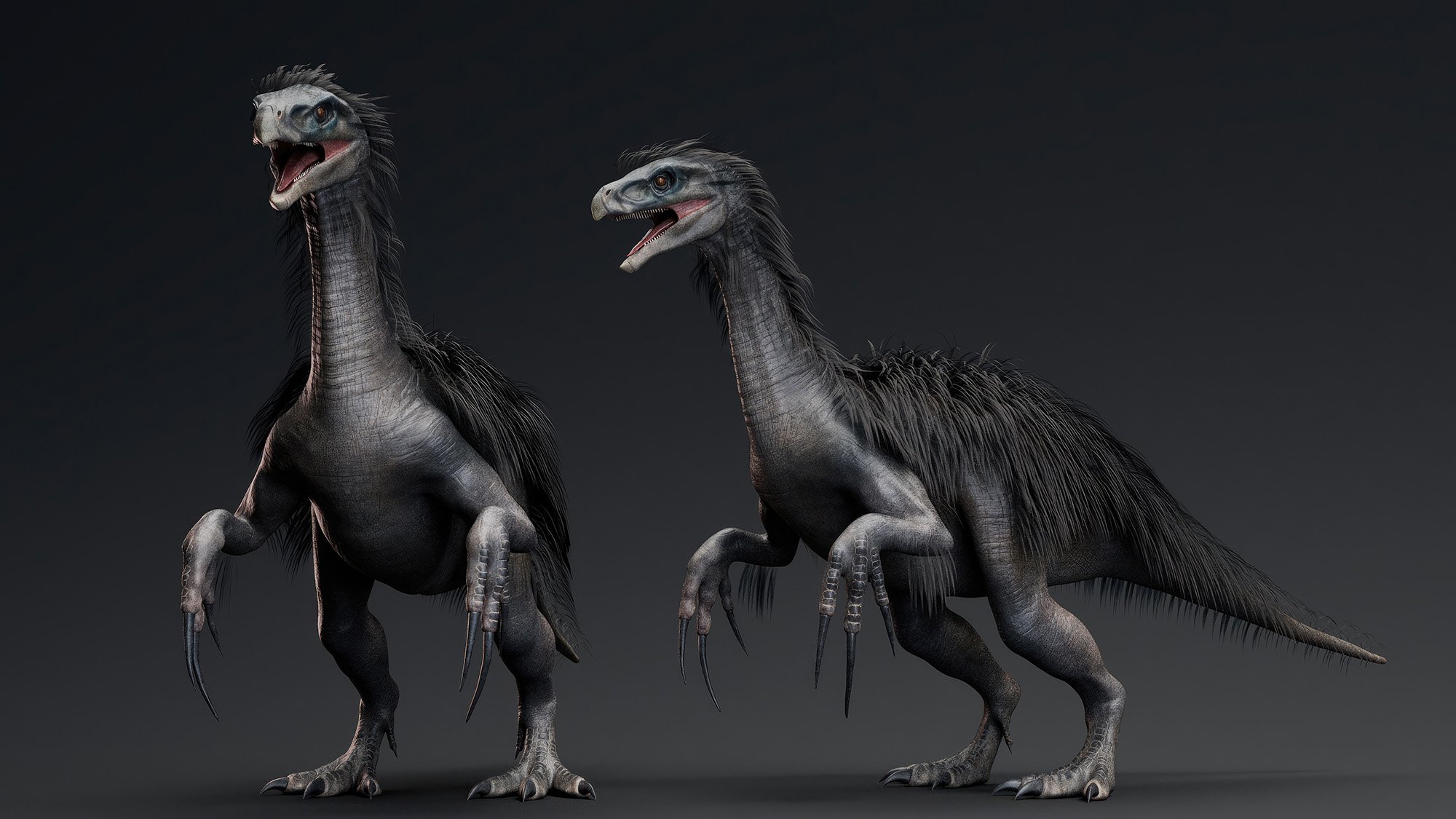
Giant, feathered dinosaur with massive claws and tons of teeth found in China
Paleontologists have discovered a new species of Cretaceous-era dinosaur in China that possessed large claws and numerous teeth. Despite its intimidating appearance, researchers believe this feathered behemoth likely subsisted on a plant-based diet.
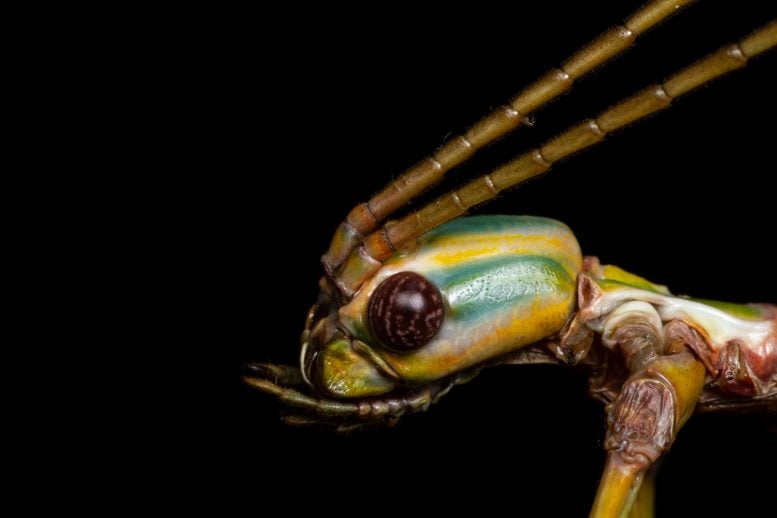
Scientists Solve a Decades-Old Stick Insect Mystery
Researchers have finally resolved a long-standing mystery regarding the classification of large stick insects belonging to the genus Anchiale in Australia. This discovery is expected to assist in managing insect outbreaks that impact local forestry and agriculture.
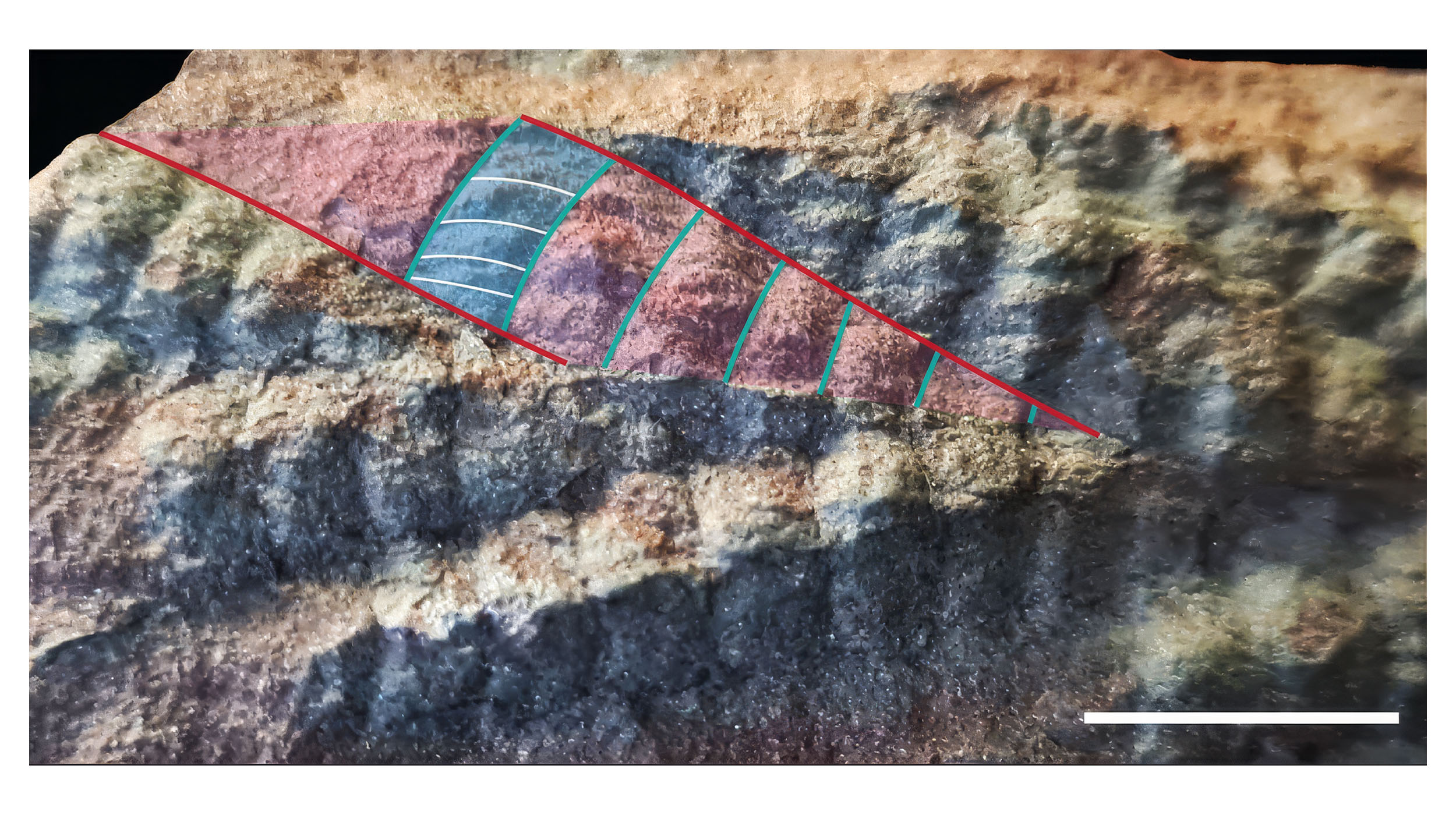
3D animal fossil dates back 560 million years, making it one of the oldest ever discovered
A fossilized Charnia specimen has been discovered that retained its 3D shape after being buried in seafloor sediment. The fossil dates back 560 million years, placing it just before the Cambrian explosion.