Dog brains track consonant patterns in speech, a first outside humans
🌀 Reality-Breaking

“Researchers in Hungary discovered that dog brains process speech by tracking consonant patterns, a cognitive ability previously observed only in humans. This suggests that regular exposure to human speech can reshape brain function in other mammals.”
Why It's Weird
The pursuit of scientific understanding leads researchers down some truly unexpected paths. This solid weirdness score indicates a story that's genuinely outside the realm of normal experience.
Read the full oddity in the app
Oddly Enough on the web is for discovery. Open the iPhone app for the complete story, offline saves, and your personalised feed.
Get Oddly Enough for iPhoneFull articles are available in the app.
Get Oddly Enough on iOS
Your daily dose of the world's weirdest, most wonderful news. Original articles, 100% autonomous.
Download on the App StoreYou might also like 👀

Astronomers discover a planet orbiting backwards around a red dwarf
A small planet 4.5 times the mass of Earth has been found circling its star in the wrong direction without any nearby gravitational influence to explain the anomaly. This discovery challenges current models of planetary formation.

Amoeba species discovered thriving at 63°C
Scientists have identified an amoeba capable of surviving at 63°C, a temperature that shatters the previously established heat limit for complex life. This finding expands the known boundaries for where complex organisms can exist.

Frog's coat of bacterial armor helps protect it from fungal disease
Researchers have discovered that natural bacteria living on the skin of frogs can act as a protective shield against deadly fungal infections. This finding suggests these microbes play a critical role in the survival of the amphibians.
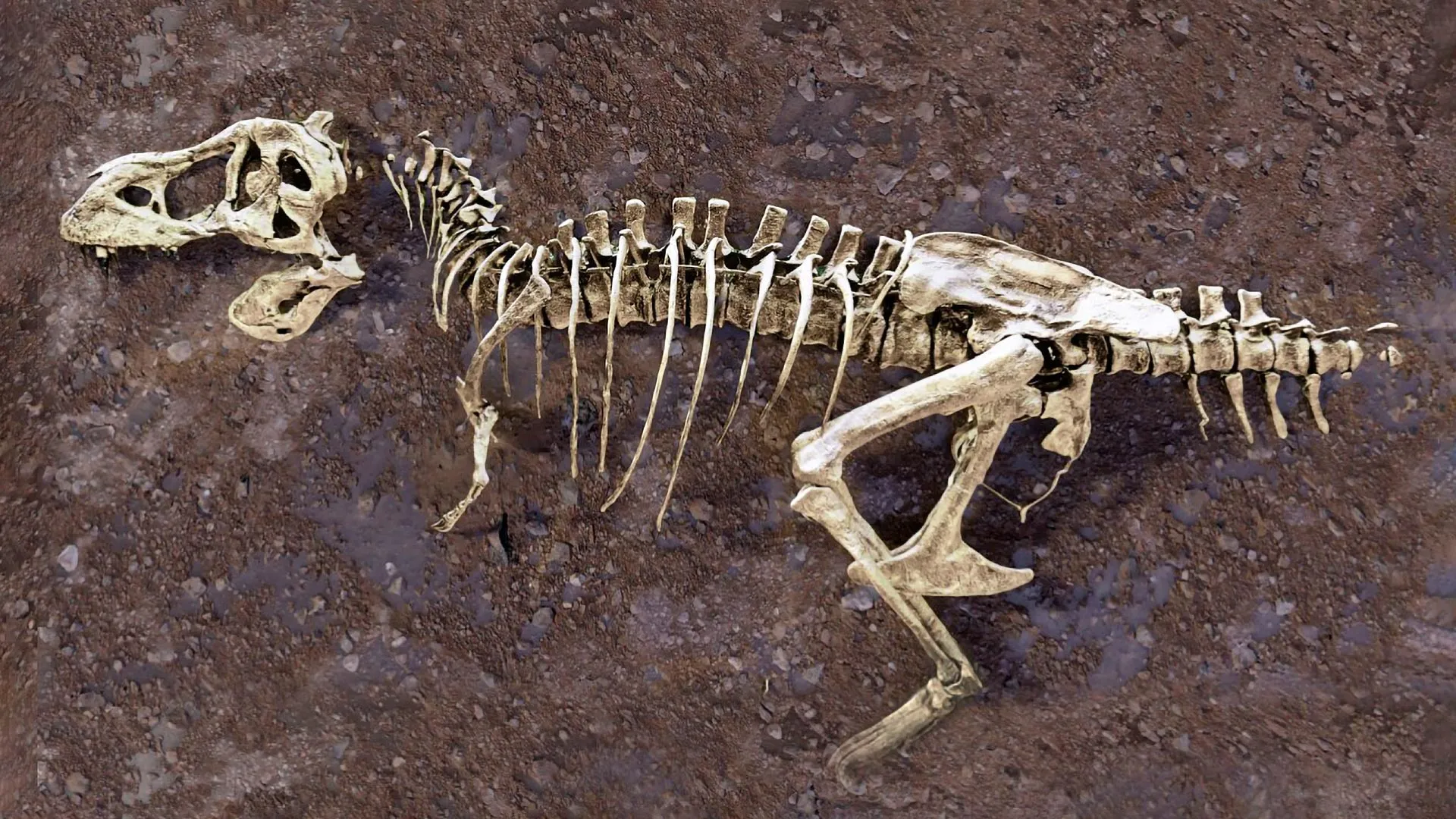
A broken rib from the world’s largest T. rex hid a 66-million-year-old secret
Scientists used advanced imaging to discover a fossilized network of blood vessels inside a broken rib from the largest known T. rex skeleton. This rare find provides a detailed look at how the dinosaur's bone healed millions of years ago.