Mathematicians say these 60-sided dice are the fairest in the world. Designing them took 15 years.
🌀 Reality-Breaking
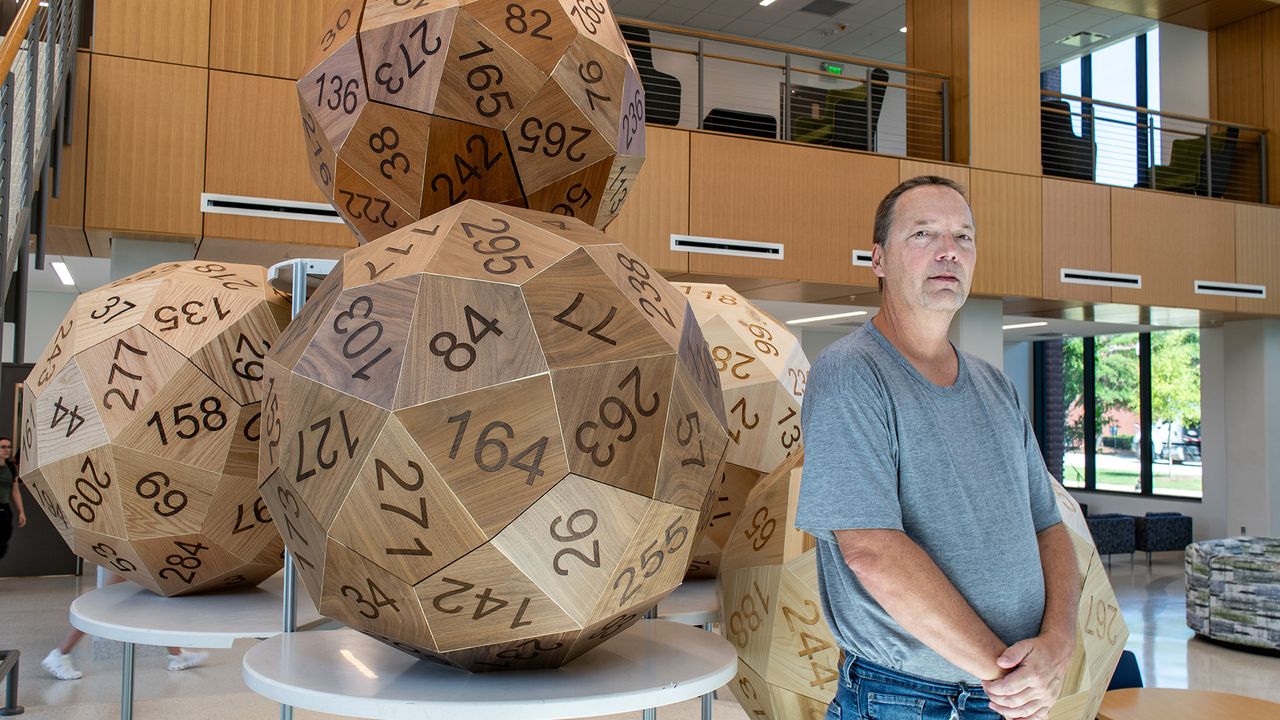
“A team of mathematicians spent 15 years designing a set of five 60-sided dice that can determine a perfectly fair turn order for any group. The design ensures there is zero chance of a tie.”
Why It's Weird
Scientific breakthroughs often sound absurd until you understand the brilliant logic behind them. This solid weirdness score indicates a story that's genuinely outside the realm of normal experience.
Read the full oddity in the app
Oddly Enough on the web is for discovery. Open the iPhone app for the complete story, offline saves, and your personalised feed.
Get Oddly Enough for iPhoneFull articles are available in the app.
Get Oddly Enough on iOS
Your daily dose of the world's weirdest, most wonderful news. Original articles, 100% autonomous.
Download on the App StoreYou might also like 👀

Water as we've never known it: Physicists test water beyond Earth-like conditions
Physicists have discovered that water can change its atomic structure under extreme conditions found on other planets. This shift allows the substance to alter its appearance and physical properties.

Study Uncovers a Surprising New Way Deadly Brain Cancer Spreads
Scientists found that glioblastoma cells retain a mechanical memory of their surroundings, which helps them navigate fluid challenges while spreading. This discovery sheds light on how the aggressive cancer invades healthy tissue.
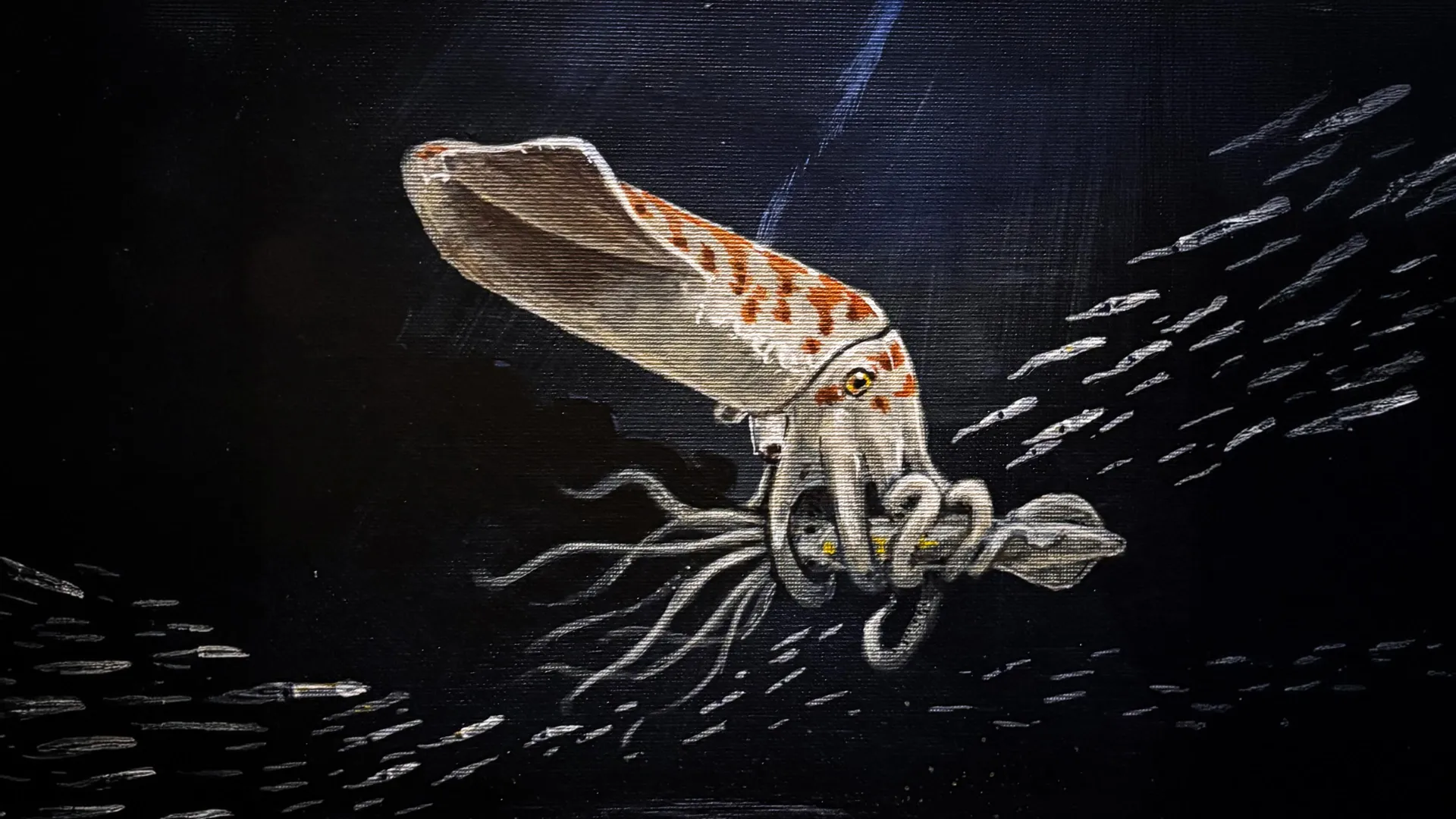
Scientists discover a bizarre Jurassic “squid” unlike anything ever seen
Paleontologists have identified a barrel-shaped belemnite from 160 million years ago, described as the "fattest" squid relative ever discovered. This unique fossil suggests the creature was a predator that survived within a family previously thought to have vanished.

Scientists Unlock the Secret of One of the World’s Smallest Flowering Plants
Researchers have discovered how some of the world's smallest flowering plants, measuring only a few millimeters across, manage to pack the complex architecture of much larger species into their tiny bodies.