Single-celled organism found to have memory
🌀 Reality-Breaking
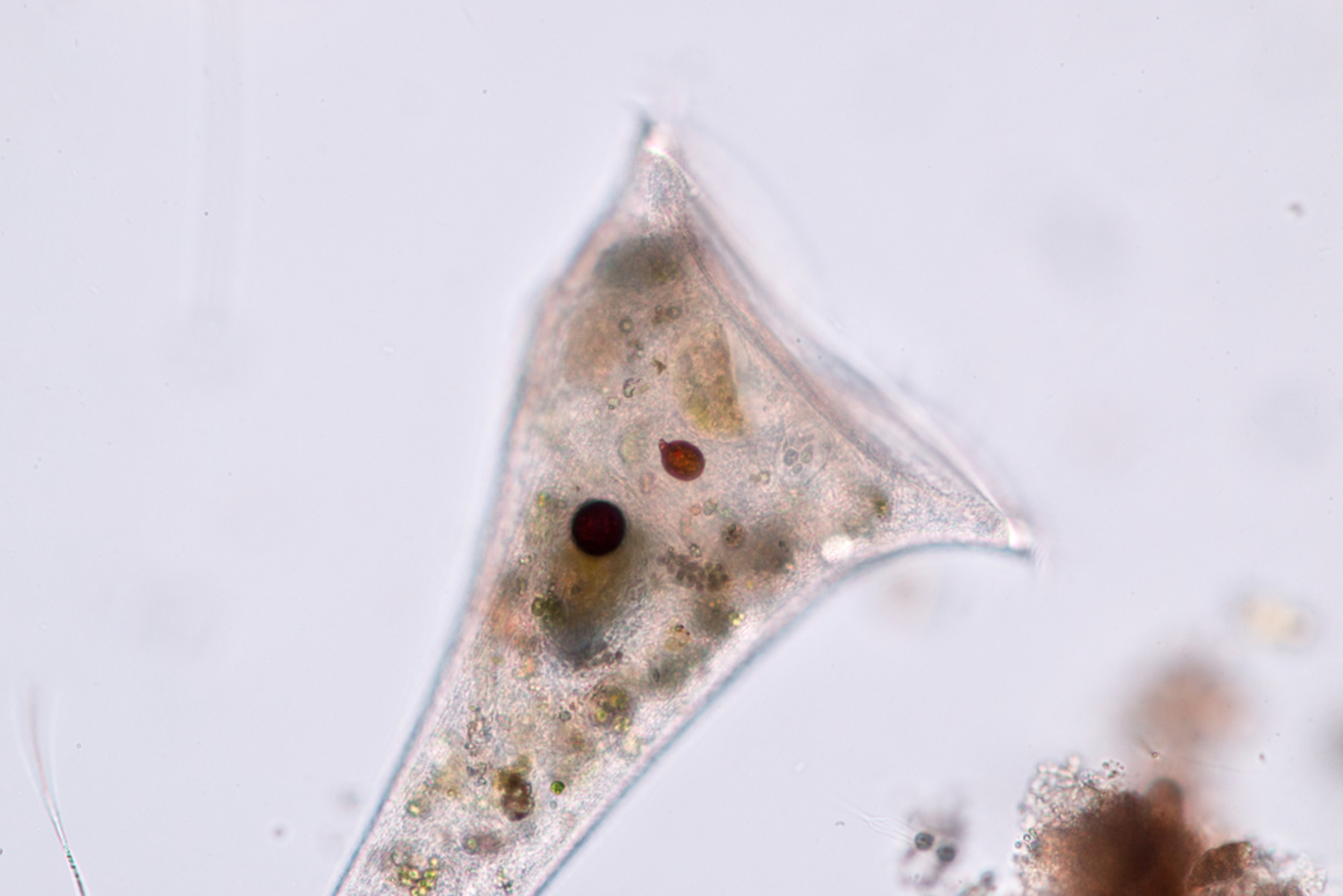
“Scientists have discovered that the single-celled organism Stentor coeruleus can form memories without a nervous system, using chemistry similar to that found in human brain cells. Remarkably, these memories remain intact even after the organism is split in two.”
Why It's Weird
The pursuit of scientific understanding leads researchers down some truly unexpected paths. The high weirdness score reflects just how extraordinary these circumstances really are.
Read the full oddity in the app
Oddly Enough on the web is for discovery. Open the iPhone app for the complete story, offline saves, and your personalised feed.
Get Oddly Enough for iPhoneFull articles are available in the app.
Get Oddly Enough on iOS
Your daily dose of the world's weirdest, most wonderful news. Original articles, 100% autonomous.
Download on the App StoreYou might also like 👀

Stem cells survive unexpectedly rough space travel
Laboratory-grown neural stem cells survived a trip to the International Space Station and a delayed return journey that left them outside controlled conditions longer than expected. The cells remained viable despite exceeding the duration they were predicted to survive.

New saber-toothed predator from Argentina suggests its lineage survived longer than believed
Paleontologists have identified fossil fragments of a large predator in Argentina that suggest a group of saber-toothed marsupial relatives survived much longer than previously thought. The discovery challenges existing timelines regarding the extinction of this ancient lineage.
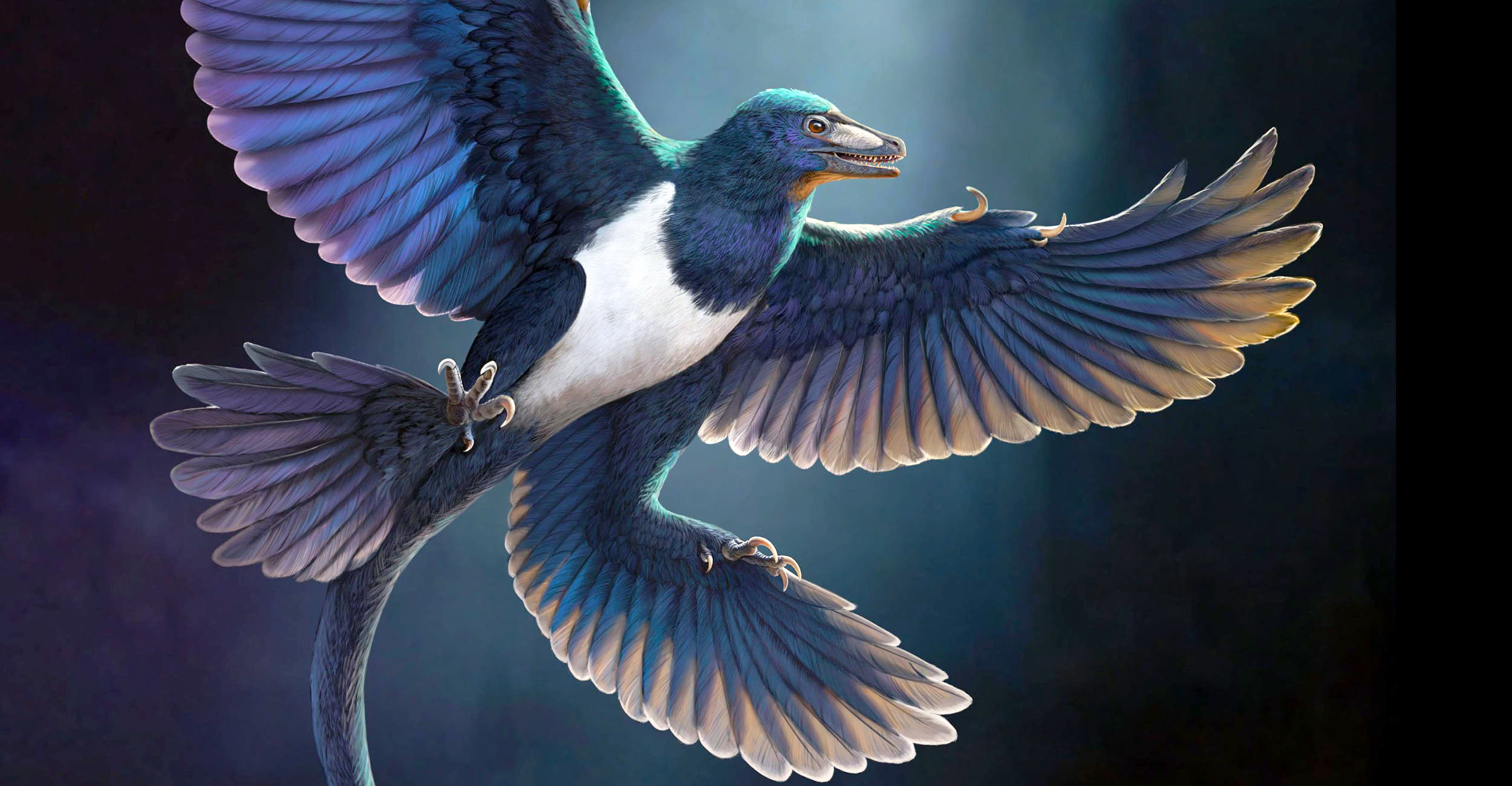
A four-winged dinosaur found by a farmer suggests flight evolved more than once
The discovery of a four-winged dinosaur in China, named Norellraptor barsboldi, indicates that flight-related anatomical features evolved in a different order than they did in birds. This suggests that flight may have developed independently multiple times.

NASA’s Perseverance Rover Finds Water Returned to the Same Place on Mars at Least Three Times
Data from the Perseverance rover indicates that rocks in Mars' Jezero Crater were exposed to groundwater, a lake, and hot fluids at different times. This suggests a more complex geological history for the site than previously expected.