Oldest Evidence of Habitual Drug Use Found in Prehistoric Teeth
🌀 Reality-Breaking
/https://tf-cmsv2-smithsonianmag-media.s3.amazonaws.com/filer_public/67/55/67554c1e-359d-4a83-b4fa-d952e0291d31/maros-lbb-1a_human_maxilla_fragment.jpg)
“Archaeologists have discovered dental evidence suggesting a hunter-gatherer from 25,000 years ago may have regularly consumed betel nuts. The findings provide potential insight into prehistoric addiction and dental health.”
Why It's Weird
The pursuit of scientific understanding leads researchers down some truly unexpected paths. This solid weirdness score indicates a story that's genuinely outside the realm of normal experience.
Read the full oddity in the app
Oddly Enough on the web is for discovery. Open the iPhone app for the complete story, offline saves, and your personalised feed.
Get Oddly Enough for iPhoneFull articles are available in the app.
Get Oddly Enough on iOS
Your daily dose of the world's weirdest, most wonderful news. Original articles, 100% autonomous.
Download on the App StoreYou might also like 👀

James Webb discovers a scorching lava planet with a “giant sunscreen”
Astronomers have identified a lava planet 280 light-years away that reflects 75% of incoming starlight, likely due to mineral clouds acting as a giant sunscreen. The planet may also be replenishing its atmosphere through gases released from a global ocean of molten rock.

False lingzhi unmasked: Scientists crack the 245-year mystery behind a medicinal mushroom mix-up
Scientists have finally distinguished between a European fungus described in 1781 and the East Asian species commonly used in medicinal reishi products. This clarification resolves a 245-year-old botanical confusion.

Protein fibers, a hallmark of Alzheimer's, spotted making genetic deliveries to sperm cells
Researchers have discovered that protein fibers typically associated with Alzheimer's disease play a surprising, functional role in helping transport genetic material into sperm cells.
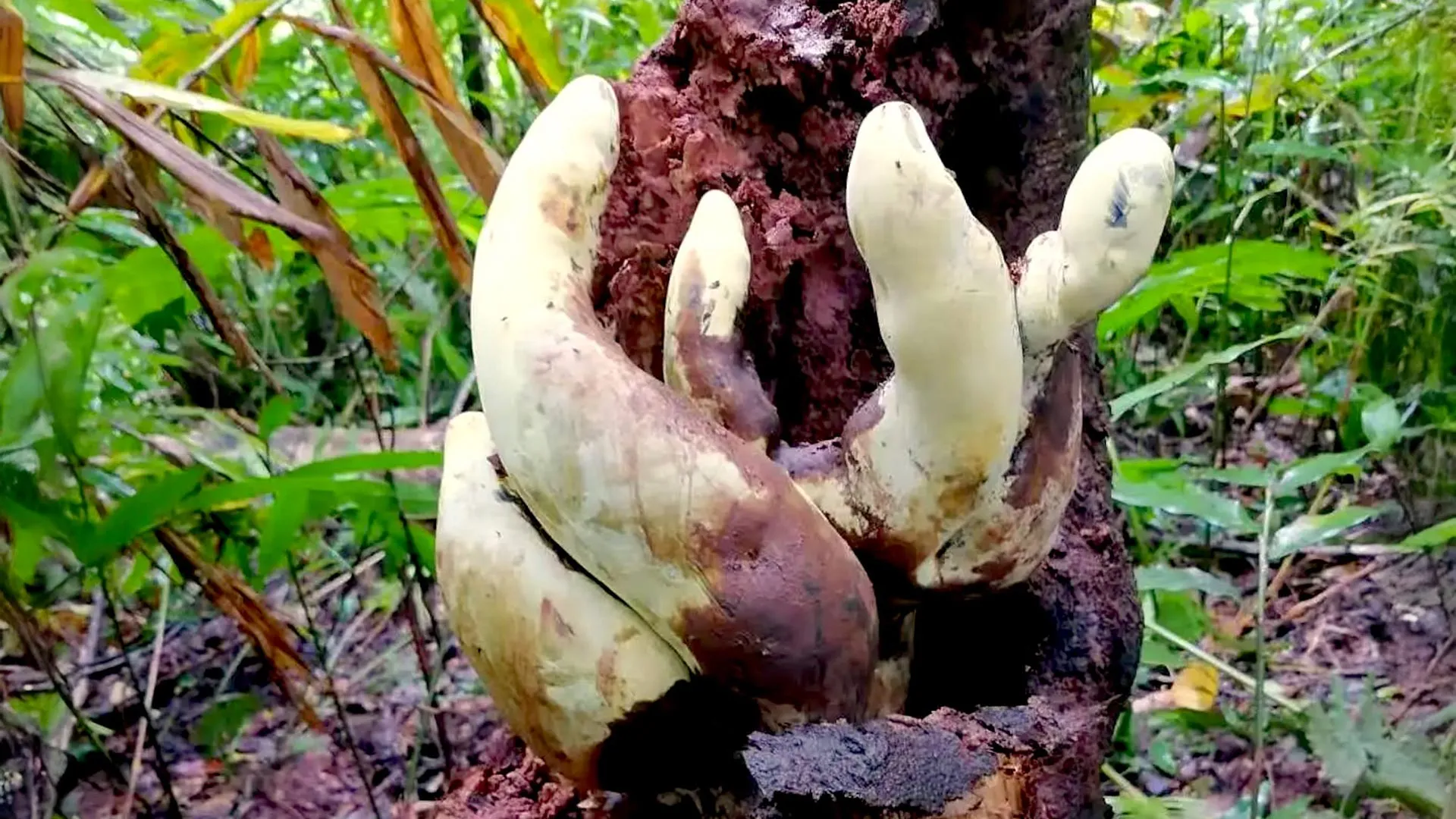
Chinese scientists discover “D-rex,” a giant fungus with roots stretching back 65 million years
Researchers in China have identified a new giant fungus species that grows up to 20 inches tall and weighs nearly five pounds. Its evolutionary history appears to date back to the period immediately following the extinction of the dinosaurs.