A 400-Degree Mystery Is Hiding Deep Inside Mars
🌀 Reality-Breaking

“Scientists have discovered a significant heat imbalance within Mars, where the southern interior is hundreds of degrees hotter than the north. Gravity measurements suggest this southern region may even be partially molten.”
Why It's Weird
The pursuit of scientific understanding leads researchers down some truly unexpected paths. This solid weirdness score indicates a story that's genuinely outside the realm of normal experience.
Read the full oddity in the app
Oddly Enough on the web is for discovery. Open the iPhone app for the complete story, offline saves, and your personalised feed.
Get Oddly Enough for iPhoneFull articles are available in the app.
Get Oddly Enough on iOS
Your daily dose of the world's weirdest, most wonderful news. Original articles, 100% autonomous.
Download on the App StoreYou might also like 👀

Zombie bacteria keep building DNA after death
Researchers at Aarhus University discovered that certain bacteria continue to produce DNA after they have died. Scientists have also found a way to control this process, which could lead to the creation of new biological materials.

Newly discovered amoeba reproduces at 145 F, breaking heat record for eukaryotic life
Scientists have identified a new species of amoeba capable of reproducing at 145 degrees Fahrenheit, setting a new heat tolerance record for eukaryotic life.

Scientists Discovered Shape-Shifting DNA That Birthed Some of the Smartest Creatures in the World
Researchers have found that cephalopod DNA underwent repeated rearrangements over evolutionary time, leading to the high intelligence and adaptability seen in creatures like octopuses. This genetic complexity is believed to be a key factor in their unique cognitive abilities.
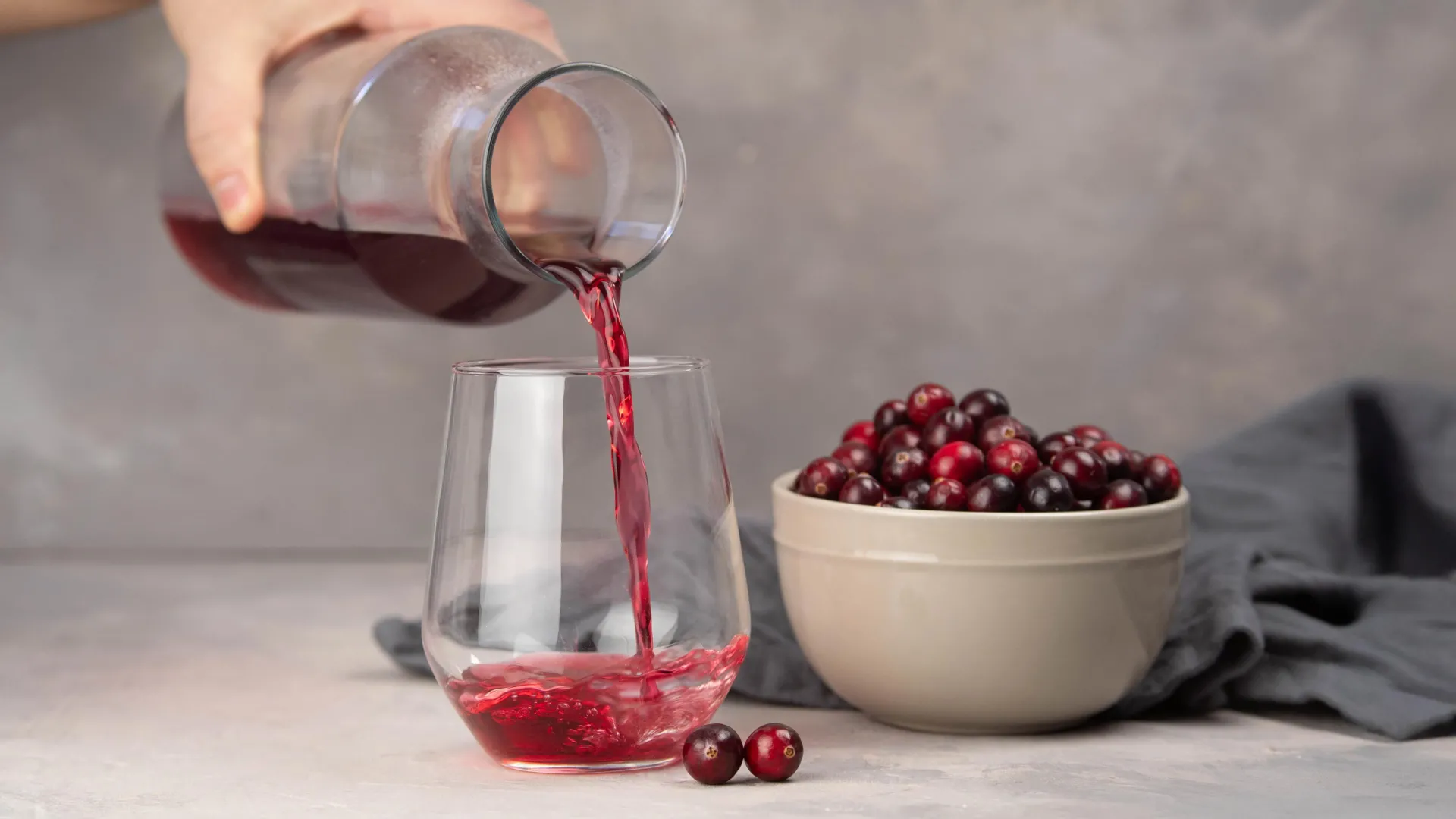
Scientists discover that cranberry juice may help fight tooth decay
Researchers at the University of Illinois Chicago found that pure, unsweetened cranberry juice can slow the growth of dental plaque bacteria. Compounds in the juice appear to interfere with the bacteria's ability to produce enamel-damaging acids.