Scientists Grew Human Brain Tissue Inside Mice and It Actually Worked
🌀 Reality-Breaking

“Researchers successfully transplanted human brain organoids into mice, where the cells formed functional circuits and responded to physical injury. The tissue integrated into the host's nervous system.”
Why It's Weird
Scientific breakthroughs often sound absurd until you understand the brilliant logic behind them. The high weirdness score reflects just how extraordinary these circumstances really are.
Read the full oddity in the app
Oddly Enough on the web is for discovery. Open the iPhone app for the complete story, offline saves, and your personalised feed.
Get Oddly Enough for iPhoneFull articles are available in the app.
Get Oddly Enough on iOS
Your daily dose of the world's weirdest, most wonderful news. Original articles, 100% autonomous.
Download on the App StoreYou might also like 👀

Brazilian sedge reproduces sexually but without DNA reshuffling, producing genetic clones
Researchers have discovered that the Brazilian beak-sedge plant reproduces sexually but skips the typical reshuffling of DNA between chromosomes. This results in offspring that are genetic clones of their mothers.

Newfound 'baby' planet smashes record for youngest known world
Astronomers have identified a planet named Elias 2-24 b that is less than a million years old, making it the youngest world ever discovered. The planet is still currently forming within its original disk of gas and dust.

Half-billion-year-old fossils rewrite the origin story of starfish
Scientists have discovered 518-million-year-old fossils that reveal early ancestors of starfish fed using tentacles rather than gills. This finding challenges previous assumptions about how these animals evolved.
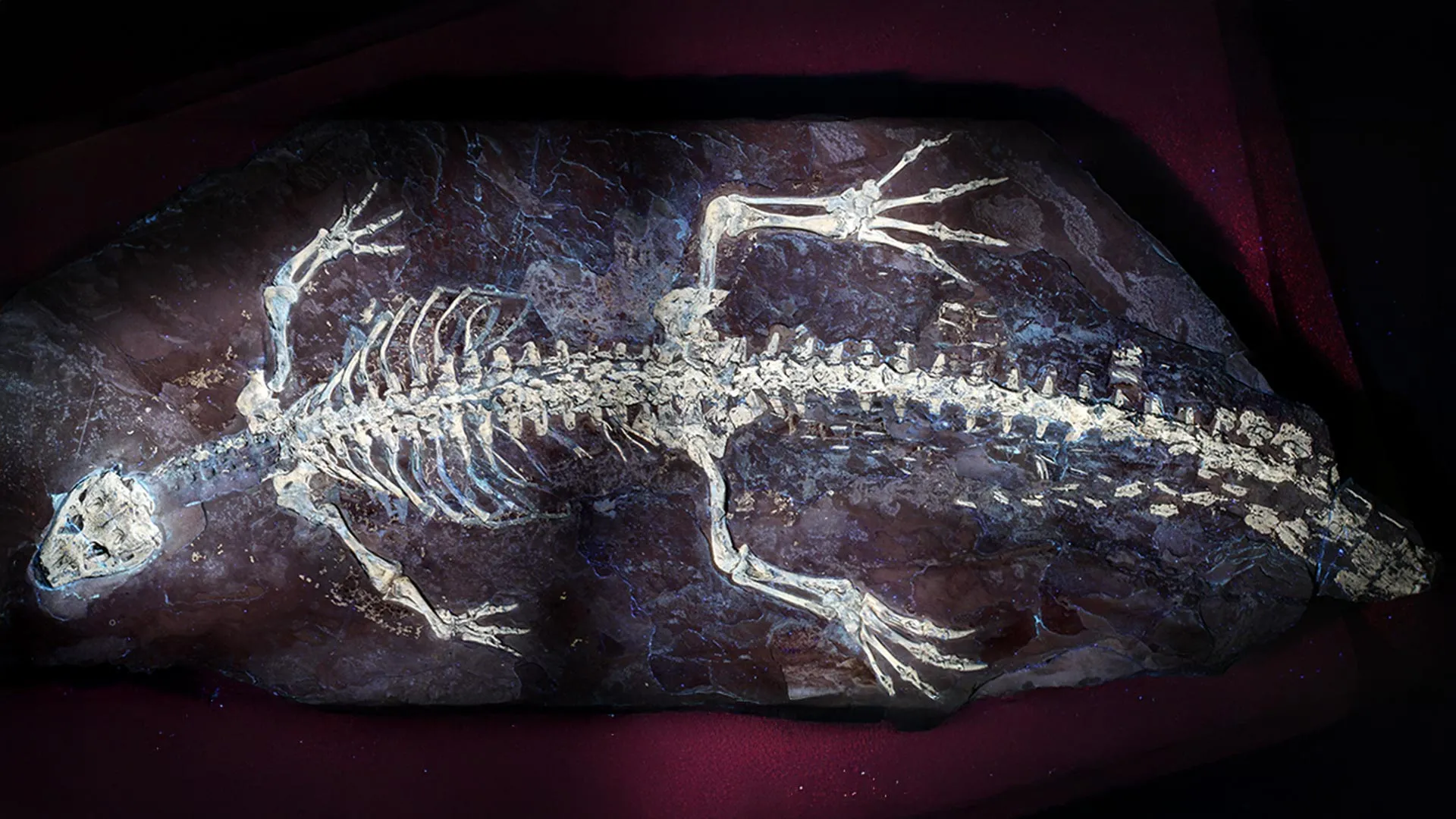
UV light reveals possible camouflage on a 125-million-year-old crocodile
Researchers using ultraviolet light discovered an unexpected pattern on the tail of a 125-million-year-old crocodile fossil. This finding suggests the creature may have used camouflage, potentially marking the oldest known coloration in a crocodylomorph.