Eight-letter DNA alphabet is accurately transcribed by a natural enzyme
🌀 Reality-Breaking

“Researchers at the University of California San Diego have demonstrated that a natural biological enzyme can successfully read and transcribe a synthetic, eight-letter genetic alphabet.”
Why It's Weird
The pursuit of scientific understanding leads researchers down some truly unexpected paths. This solid weirdness score indicates a story that's genuinely outside the realm of normal experience.
Read the full oddity in the app
Oddly Enough on the web is for discovery. Open the iPhone app for the complete story, offline saves, and your personalised feed.
Get Oddly Enough for iPhoneFull articles are available in the app.
Get Oddly Enough on iOS
Your daily dose of the world's weirdest, most wonderful news. Original articles, 100% autonomous.
Download on the App StoreYou might also like 👀

Scientists uncover mystery of how snail shells coil to the right or to the left
Researchers have identified a specific gene that determines whether Japanese Euhadra snails develop left- or right-coiling shells. This discovery provides new insights into the biological basis of handedness.

Scientists find 'gemstones' in atmosphere of bizarre, scorching-hot 'marshmallow' exoplanet
Astronomers using the James Webb Space Telescope have discovered gemstone-like materials in the atmosphere of a blisteringly hot exoplanet that has the physical consistency of a marshmallow.
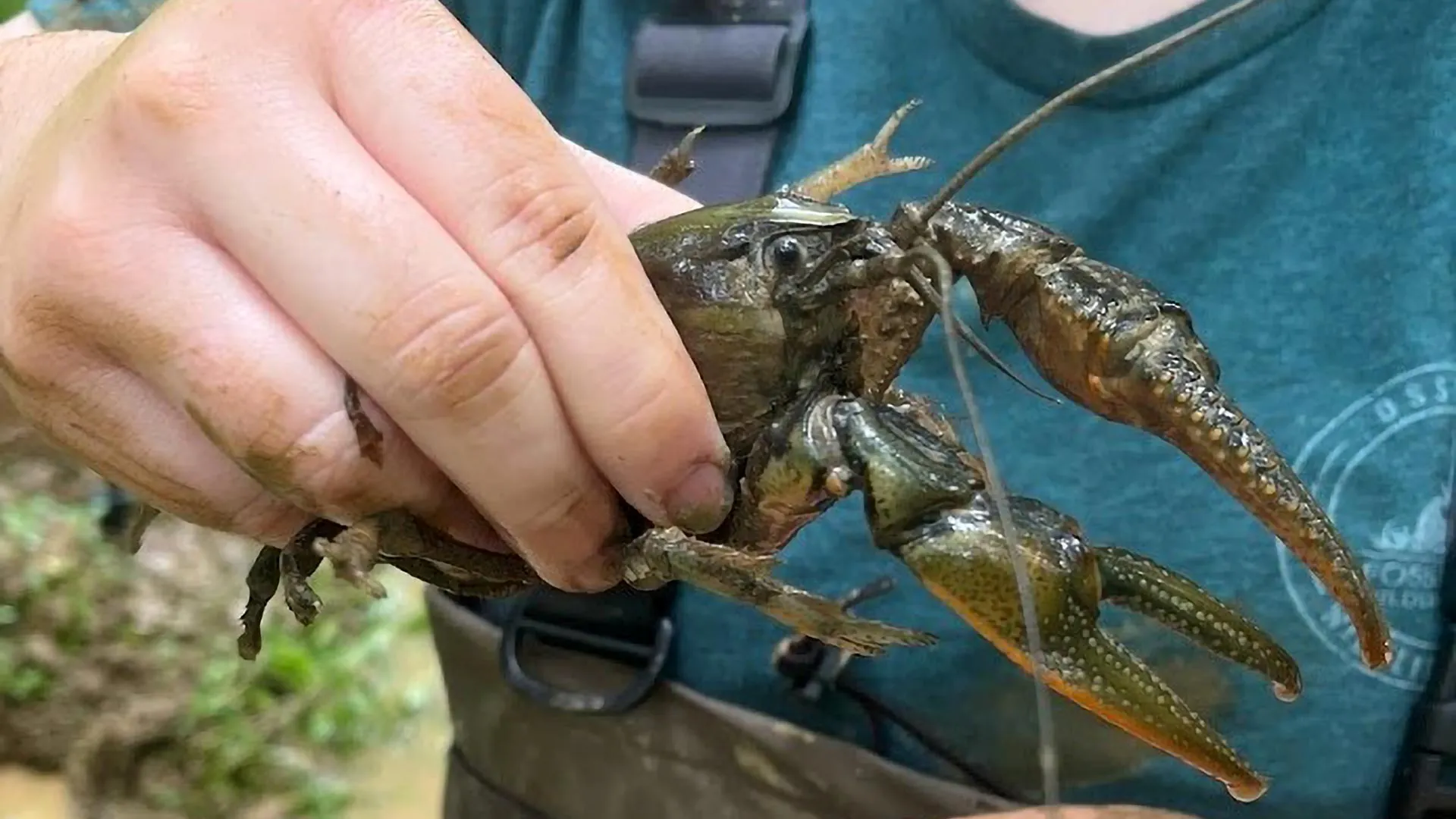
“Crawzilla” was huge. Then scientists found an even bigger crayfish
Scientists conducting a nationwide search for giant crayfish discovered a record-breaking specimen in Tennessee. The find has prompted researchers to investigate the biological limits on how large these freshwater crustaceans can grow.

Astronomers discover the first-ever green star, plus the reddest 'white dwarf' ever seen
A new study reveals that white dwarf stars can appear in a wide spectrum of colors, including the first-ever identified green star. These stellar remnants exhibit a rainbow of hues previously not fully documented.