Armored amphibian lived entirely at sea 237 million years ago, fossils suggest
🌀 Reality-Breaking

“Researchers have identified fossils of a giant, armored, salamander-like creature named Gerrothorax maritimus, which is believed to be the first fully marine amphibian.”
Why It's Weird
Animals have an uncanny ability to surprise us with behaviors we never thought possible. This solid weirdness score indicates a story that's genuinely outside the realm of normal experience.
Read the full oddity in the app
Oddly Enough on the web is for discovery. Open the iPhone app for the complete story, offline saves, and your personalised feed.
Get Oddly Enough for iPhoneFull articles are available in the app.
Get Oddly Enough on iOS
Your daily dose of the world's weirdest, most wonderful news. Original articles, 100% autonomous.
Download on the App StoreYou might also like 👀

Two distinct sleep stages emerge in jumping spider, including a REM-like state
Researchers observing the Australian jumping spider Portia fimbriata have identified two distinct sleep stages, including one that mimics the rapid eye movement (REM) sleep found in vertebrates. This discovery suggests that complex sleep patterns may exist in species previously thought to be less neurologically advanced.

Two shelter kittens had unusually long legs, and DNA tests genetically confirmed them to be the first cats with Marfan syndrome
Two shelter kittens named Gary and Shaggy have been identified as the first cats with genetically confirmed Marfan syndrome, with one displaying leg bones 42.5% longer than average.
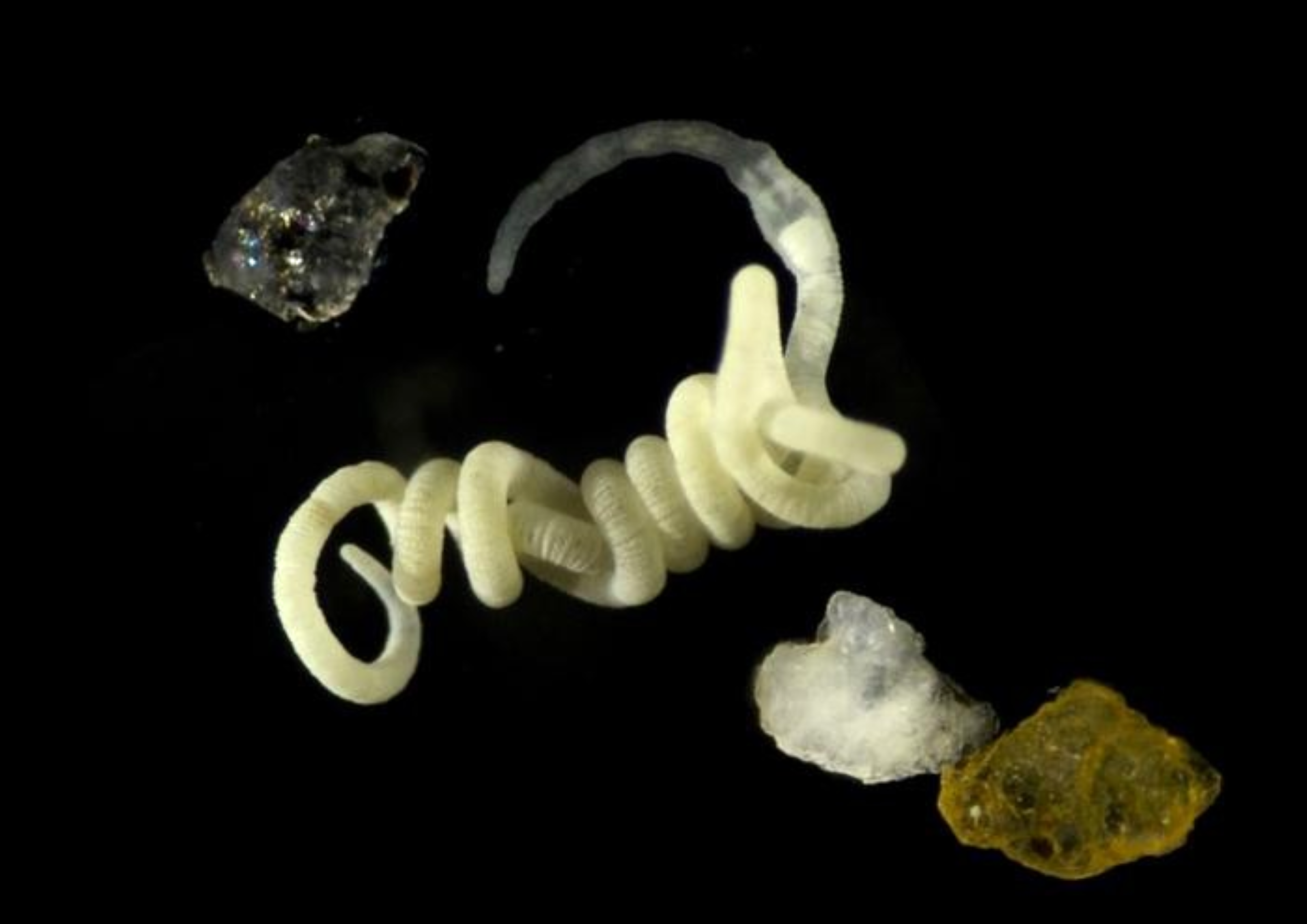
Tiny worms with no mouths or guts have a surprising survival strategy
Scientists have discovered that tiny ocean worms lacking mouths or guts rely on bacteria to survive. The partnerships between the worms and these bacteria change with surprising frequency.

New long-clawed British dinosaur is the first of its kind in Europe
A fossilized skull of a previously unknown meat-eating dinosaur species has been rediscovered in the Natural History Museum's storage after being hidden for over a century. The specimen was found on the Isle of Wight and represents the first of its kind discovered in Europe.