Melting Svalbard glaciers may flush ancient methane from rocks beneath the ice
🌀 Reality-Breaking

“Research indicates that meltwater from Svalbard glaciers is releasing ancient methane trapped in rocks beneath the ice into the atmosphere. This process highlights a previously unobserved pathway for greenhouse gas emissions in warming regions.”
Why It's Weird
Research pushes boundaries in ways that can seem bizarre but ultimately expand human knowledge. The moderate weirdness score suggests this is unusual but not completely unprecedented.
Read the full oddity in the app
Oddly Enough on the web is for discovery. Open the iPhone app for the complete story, offline saves, and your personalised feed.
Get Oddly Enough for iPhoneFull articles are available in the app.
Get Oddly Enough on iOS
Your daily dose of the world's weirdest, most wonderful news. Original articles, 100% autonomous.
Download on the App StoreYou might also like 👀

DNA-Programmed Material Builds Its Own Motors
Researchers have developed a non-living material that uses DNA to manufacture proteins, allowing the substance to move, wrinkle, and form blister-like shapes on its own. This synthetic material functions without the need for intact living cells.
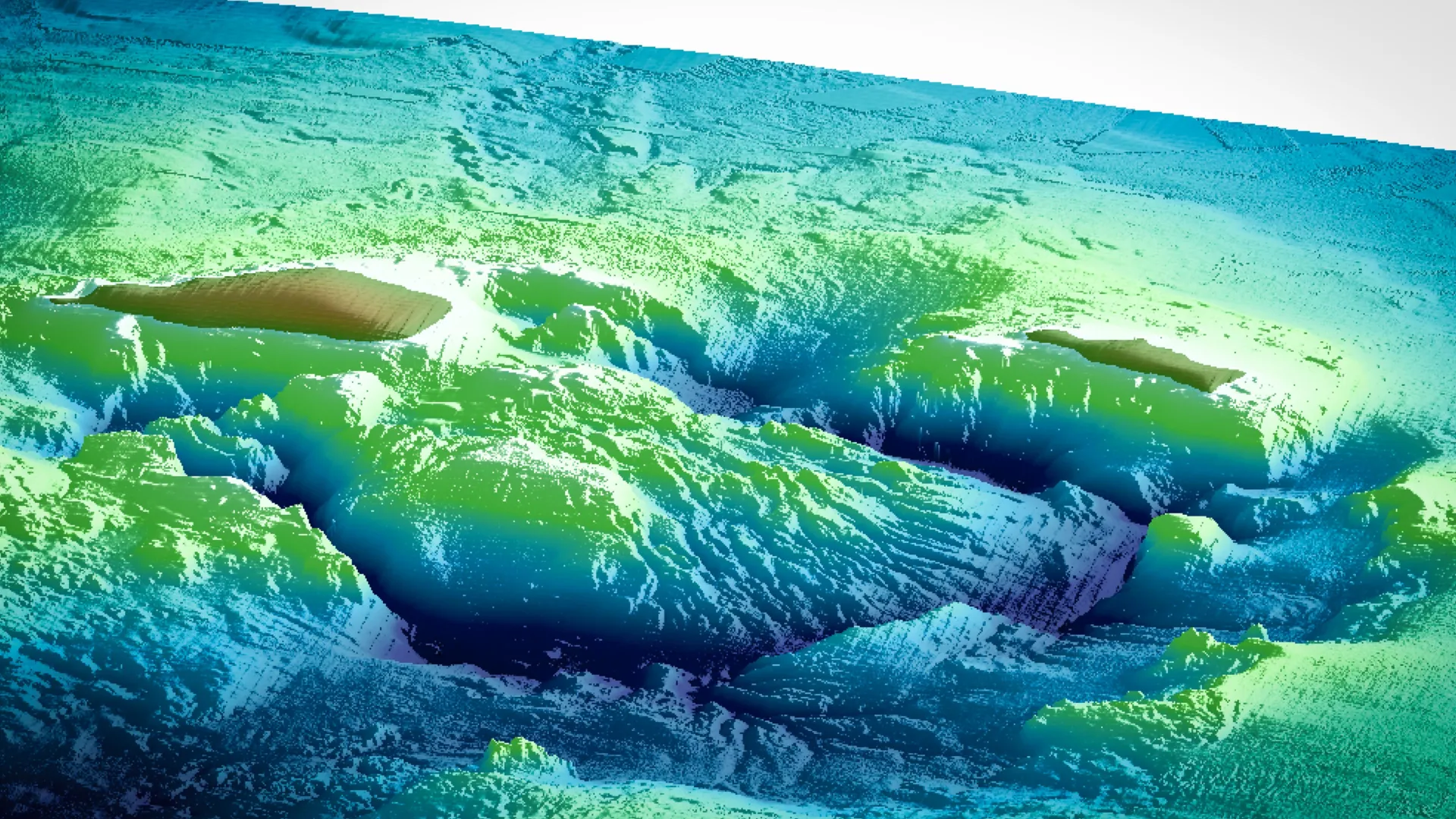
Supervolcano beneath Japan's Kikai caldera is refilling with magma
Scientists have discovered that a massive magma reservoir beneath Japan's Kikai caldera is refilling 7,300 years after a catastrophic eruption. This finding provides new insights into how supervolcanoes like Yellowstone replenish their supplies.

Scientists Discover “D-Rex,” a Giant Fungus Unlike Anything Seen Before
Researchers in China have identified a giant, previously unknown fungus that produces structures up to 50 centimeters tall. The species may have emerged approximately 65 million years ago following the mass extinction of the dinosaurs.

Birds are more afraid of women than men, scientists find
Researchers studying urban bird behavior across five European countries discovered that 37 different species consistently flee sooner when approached by women than by men. The scientists currently have no explanation for this behavioral difference.