Man finds an Albertosaurus jaw with bite marks from a dinosaur that likely weighed 30 times less
🌀 Reality-Breaking
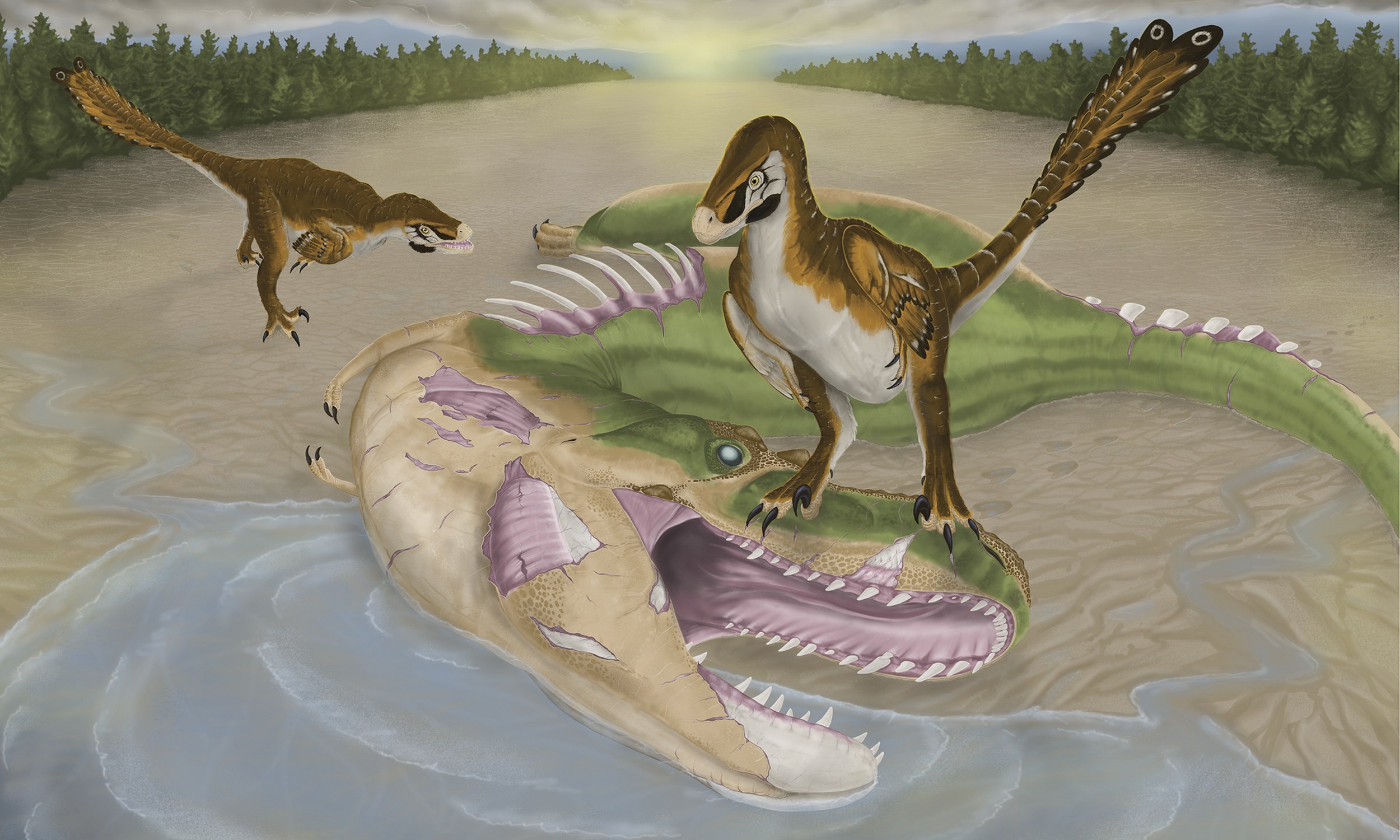
“A fossilized Albertosaurus jaw discovered in Alberta features bite marks suggesting it was attacked by a raptor significantly smaller than itself, marking a rare instance of such predatory behavior.”
Why It's Weird
The pursuit of scientific understanding leads researchers down some truly unexpected paths. This solid weirdness score indicates a story that's genuinely outside the realm of normal experience.
Read the full oddity in the app
Oddly Enough on the web is for discovery. Open the iPhone app for the complete story, offline saves, and your personalised feed.
Get Oddly Enough for iPhoneFull articles are available in the app.
Get Oddly Enough on iOS
Your daily dose of the world's weirdest, most wonderful news. Original articles, 100% autonomous.
Download on the App StoreYou might also like 👀

A 1,000-Year-Old DNA Mystery Links Hawaii and Easter Island and Reveals Hidden Genetic Dangers
Genetic analysis has linked the settlement of Hawaii and Easter Island, revealing that ancient Polynesian sailors carried globally rare genetic variants that may pose modern health risks.
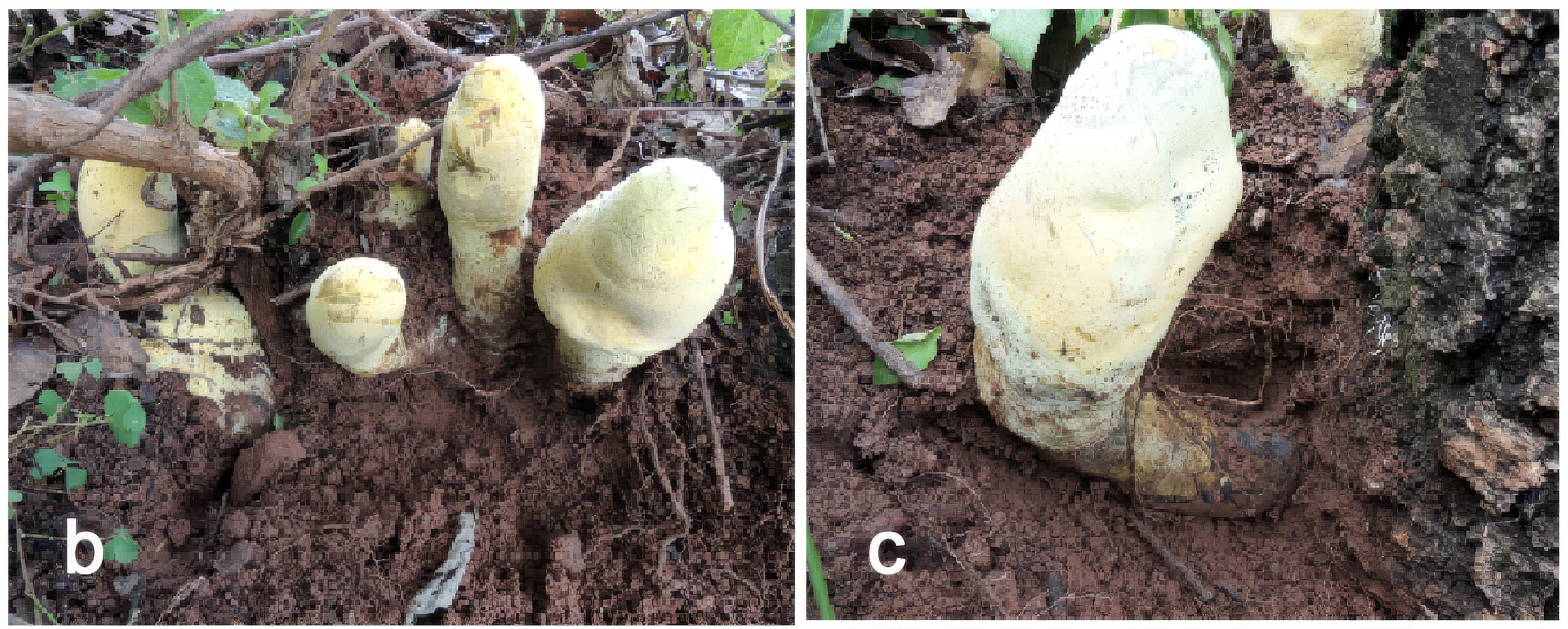
Scientists discover a massive fungus with a towering body that belongs to a whole new family born just after the dinosaurs went extinct
Researchers in China have identified a new species of fungus, D. rex, which is so unique that it has been classified into an entirely new family. The fungus weighs nearly five pounds and dates back to the period immediately following the extinction of the dinosaurs.

A Giant Asteroid Spins Once Every 4 Minutes
Scientists are puzzled by a giant asteroid that rotates once every four minutes, spinning at a speed that should theoretically cause an object of its size to break apart.
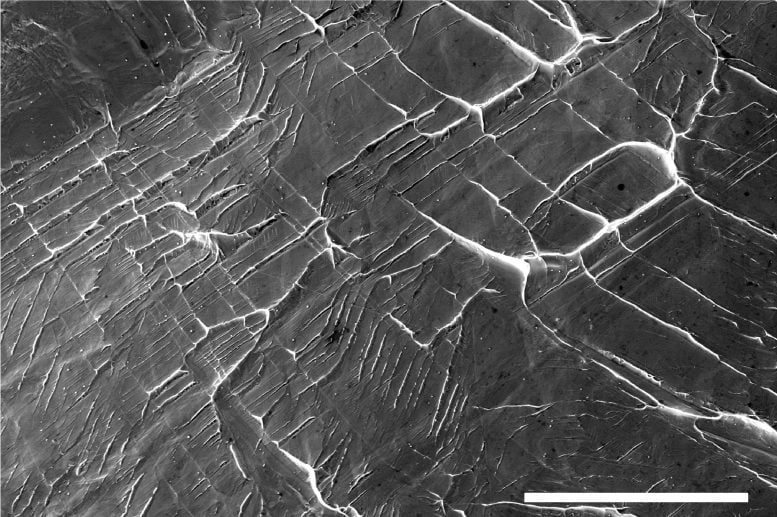
Scientists Discover Metals That Refuse To Crack at an Astonishing -424°F
Researchers have identified two experimental alloys that resist cracking at extremely low temperatures by forming unique crystal defects. This discovery could lead to the development of more durable materials for use in extreme cold environments.