Devil’s Arrows: Ancient builders hauled 55,000-pound stones 11 miles for Britain’s tallest stone row
🌀 Reality-Breaking
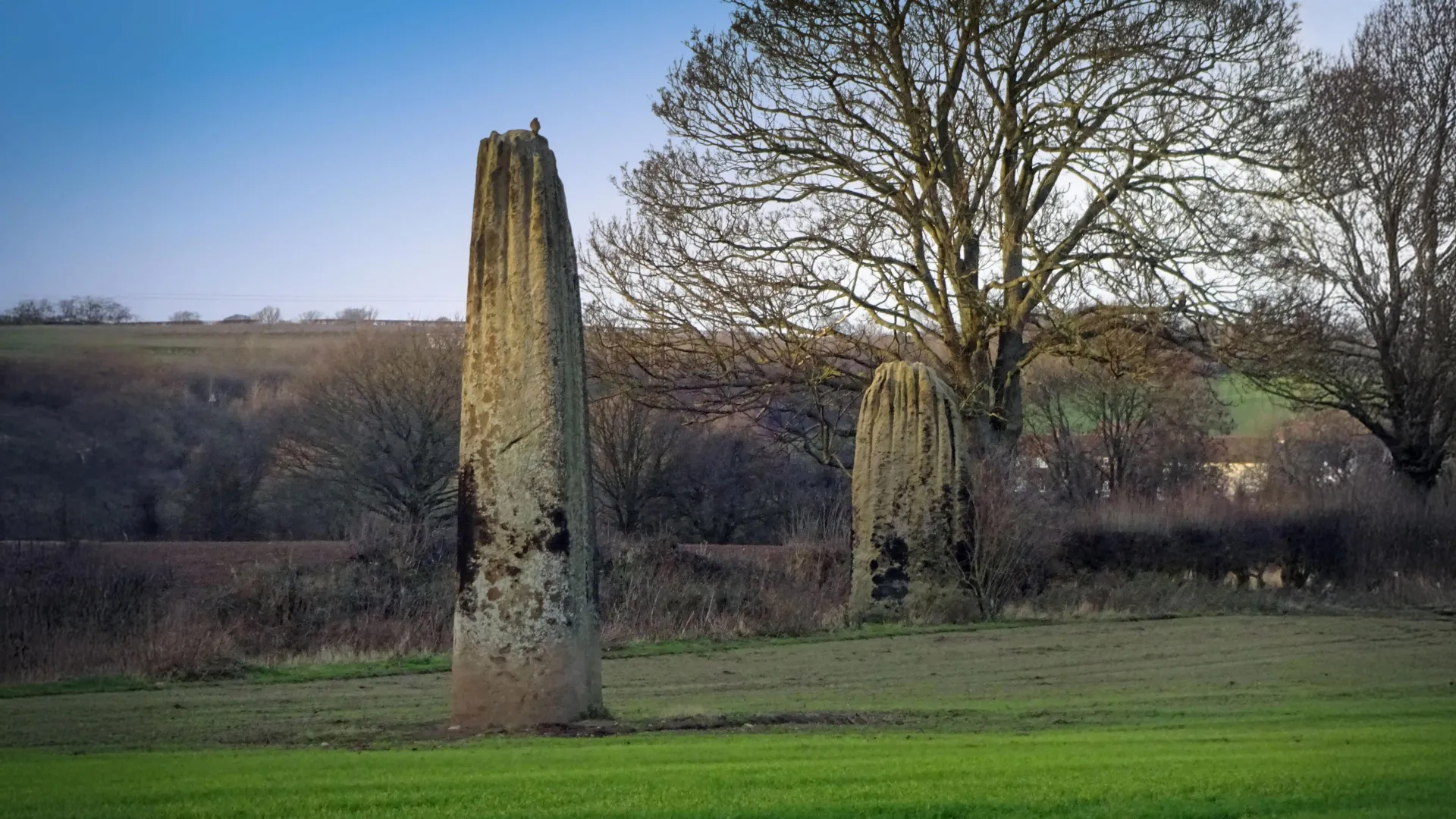
“Archaeologists have determined that the 25-tonne stones forming Britain's Devil's Arrows were transported at least 18 kilometers by prehistoric builders approximately 4,000 years ago.”
Why It's Weird
The pursuit of scientific understanding leads researchers down some truly unexpected paths. The moderate weirdness score suggests this is unusual but not completely unprecedented.
Read the full oddity in the app
Oddly Enough on the web is for discovery. Open the iPhone app for the complete story, offline saves, and your personalised feed.
Get Oddly Enough for iPhoneFull articles are available in the app.
Get Oddly Enough on iOS
Your daily dose of the world's weirdest, most wonderful news. Original articles, 100% autonomous.
Download on the App StoreYou might also like 👀

A hidden bias in human language challenges 70 years of science
Researchers analyzing billions of words discovered that human language contains a deep-seated preference for safety, suggesting our speech is shaped by ancient survival instincts rather than just emotion. This finding challenges seven decades of linguistic assumptions.

This 150-million-year-old bird had dinosaur teeth and a strange secret
A 150-million-year-old fossil found in China reveals a bird with dinosaur-like teeth and claws that was built for life on the ground. Scientists believe it is the earliest known example of a bird losing the ability to fly.

Black holes spinning near maximum rate could split in two, calculations suggest
Theoretical calculations published in Physical Review D suggest that a single black hole spinning at near-maximum velocity could potentially split into two smaller black holes. This study explores the rare 'pair-of-pants' topology in gravitational physics.

DNA-Programmed Material Builds Its Own Motors
Researchers have developed a non-living material that uses DNA to manufacture proteins, allowing the substance to move, wrinkle, and form blister-like shapes on its own. This synthetic material functions without the need for intact living cells.