Astronomers may have discovered the first moon beyond our Solar System
🌀 Reality-Breaking

“Researchers have found evidence of a massive object, potentially the first exomoon ever detected, orbiting a brown dwarf. The object's size, comparable to Jupiter, has left scientists debating how to classify such a celestial body.”
Why It's Weird
Research pushes boundaries in ways that can seem bizarre but ultimately expand human knowledge. The high weirdness score reflects just how extraordinary these circumstances really are.
Read the full oddity in the app
Oddly Enough on the web is for discovery. Open the iPhone app for the complete story, offline saves, and your personalised feed.
Get Oddly Enough for iPhoneFull articles are available in the app.
Get Oddly Enough on iOS
Your daily dose of the world's weirdest, most wonderful news. Original articles, 100% autonomous.
Download on the App StoreYou might also like 👀

Three giant black holes discovered in a galaxy from the dawn of time
Astronomers have identified three actively feeding black holes within a single galaxy located over 12.5 billion light-years away. Two of these massive objects are positioned just 620 light-years apart and are expected to eventually collide.
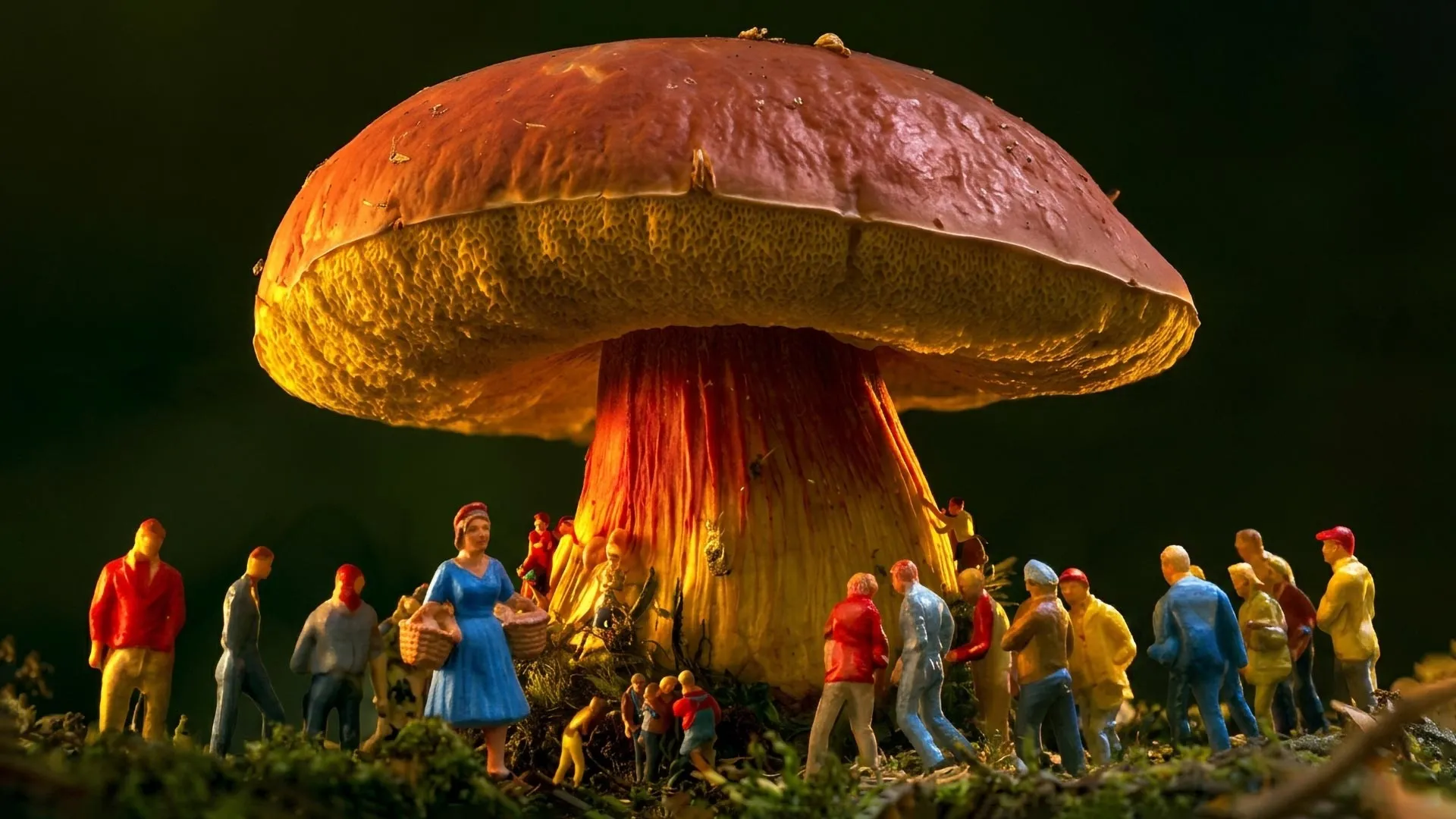
This mysterious mushroom makes people see hundreds of tiny humans
Scientists have identified a mushroom species, Lanmaoa asiatica, linked to bizarre reports of hallucinations involving hundreds of tiny, colorful humans. These experiences have been documented in China and the Philippines for nearly a century.

A hidden bias in human language challenges 70 years of science
Researchers analyzing billions of words discovered that human language contains a deep-seated preference for safety, suggesting our speech is shaped by ancient survival instincts rather than just emotion. This finding challenges seven decades of linguistic assumptions.

This 150-million-year-old bird had dinosaur teeth and a strange secret
A 150-million-year-old fossil found in China reveals a bird with dinosaur-like teeth and claws that was built for life on the ground. Scientists believe it is the earliest known example of a bird losing the ability to fly.