Half-billion-year-old fossils rewrite the origin story of starfish
🌀 Reality-Breaking

“Scientists have discovered 518-million-year-old fossils that reveal early ancestors of starfish fed using tentacles rather than gills. This finding challenges previous assumptions about how these animals evolved.”
Why It's Weird
The pursuit of scientific understanding leads researchers down some truly unexpected paths. The moderate weirdness score suggests this is unusual but not completely unprecedented.
Read the full oddity in the app
Oddly Enough on the web is for discovery. Open the iPhone app for the complete story, offline saves, and your personalised feed.
Get Oddly Enough for iPhoneFull articles are available in the app.
Get Oddly Enough on iOS
Your daily dose of the world's weirdest, most wonderful news. Original articles, 100% autonomous.
Download on the App StoreYou might also like 👀
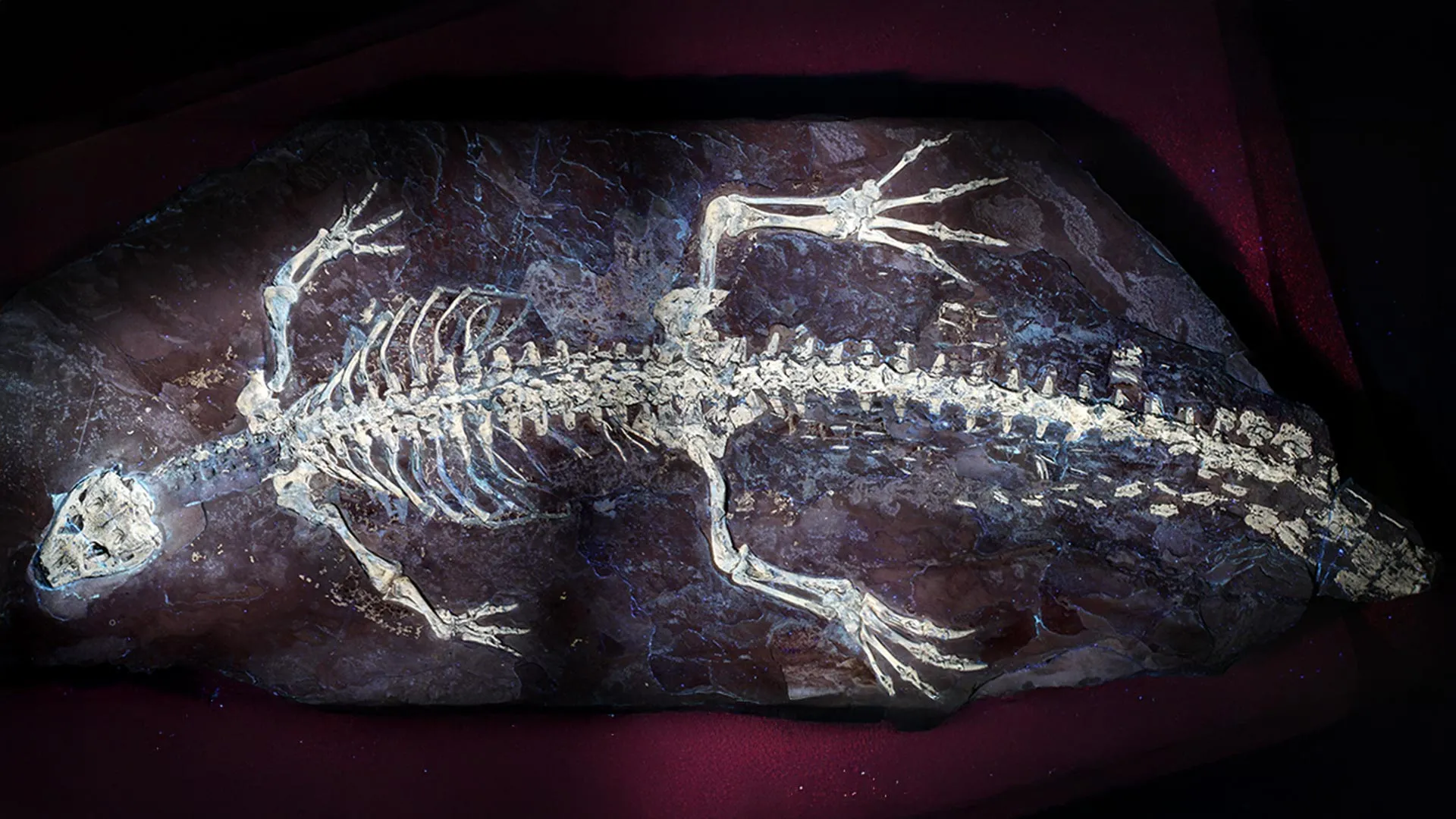
UV light reveals possible camouflage on a 125-million-year-old crocodile
Researchers using ultraviolet light discovered an unexpected pattern on the tail of a 125-million-year-old crocodile fossil. This finding suggests the creature may have used camouflage, potentially marking the oldest known coloration in a crocodylomorph.

The woolly rhino’s Ice Age story stretches far south of Siberia
DNA analysis of 183 fossils reveals that the genetic diversity of woolly rhinos was concentrated in milder East Asia and the Altai region rather than Siberia. This finding shifts the understanding of where these prehistoric animals thrived during the Ice Age.
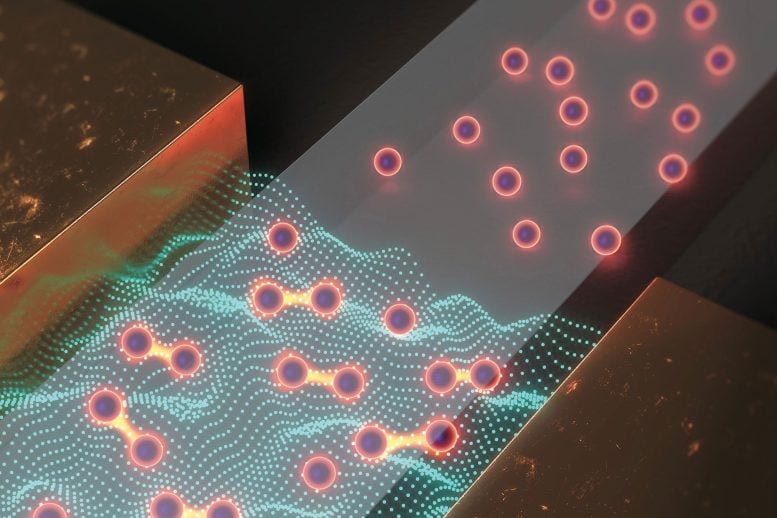
Researchers Turned “Empty Space” Into a Tool for Superconductivity
Scientists have successfully engineered quantum vacuum fluctuations within a specially designed cavity to enhance superconductivity in a thin material. This demonstrates that the vacuum of space can be manipulated to influence physical properties.
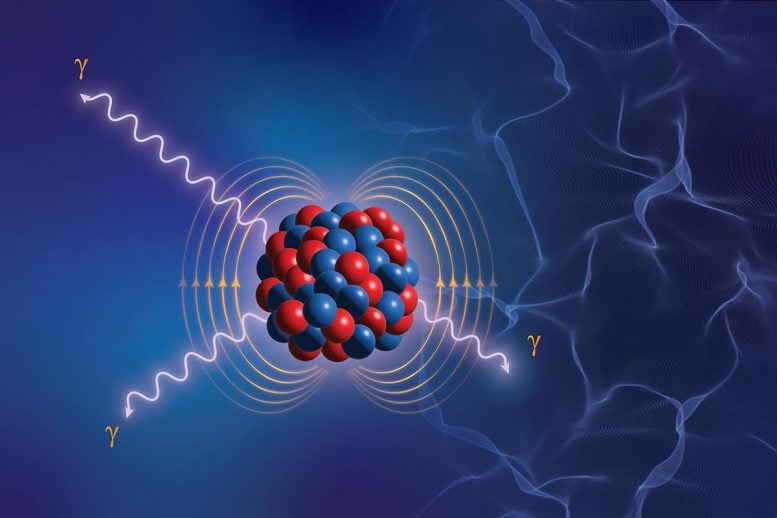
Mysterious Gamma Rays Reveal Hidden Magnetism Inside Atomic Nuclei
Physicists have identified hidden magnetic transitions within atomic nuclei to explain why some release more low-energy gamma rays than previously expected. This discovery resolves a long-standing mystery in nuclear physics.