Forget Las Vegas—Archaeologists Just Found 1,000 Dice Underneath an Ancient City
🌀 Reality-Breaking

“Archaeologists have discovered 1,000 dice buried beneath an ancient city, sparking debate over whether the site was a workshop, a ritual space, or a gambling hub.”
Why It's Weird
Global news often reveals cultural differences that can seem almost alien to outside observers. This solid weirdness score indicates a story that's genuinely outside the realm of normal experience.
Read the full oddity in the app
Oddly Enough on the web is for discovery. Open the iPhone app for the complete story, offline saves, and your personalised feed.
Get Oddly Enough for iPhoneFull articles are available in the app.
Get Oddly Enough on iOS
Your daily dose of the world's weirdest, most wonderful news. Original articles, 100% autonomous.
Download on the App StoreYou might also like 👀
/https://tf-cmsv2-smithsonianmag-media.s3.amazonaws.com/filer_public/7b/84/7b840680-9e03-472b-b6a8-1f13793fdeef/5454.jpeg)
Rediscovered Footage Shows 1966 Battle of Hastings Re-enactment
Newly surfaced color film captures hundreds of British college students clashing with wooden swords during a 1966 re-enactment of the Battle of Hastings. The footage reveals a notably relaxed approach to safety during the event.
/https://tf-cmsv2-smithsonianmag-media.s3.amazonaws.com/filer_public/3c/5d/3c5d64ef-fa30-4bc1-89ee-af5a2f0e2667/7d56dae5-d789-46d6-9df7-cb274be80482_1.jpeg)
A Ship Carrying Stacks of Ancient Dishware Sank Off the Coast of Turkey 2,100 Years Ago
Archaeologists have discovered a 2,100-year-old shipwreck off the coast of Turkey containing a cargo of ceramic plates and bowls that remain remarkably intact. The pottery is believed to originate from the ancient city of Rhosus.
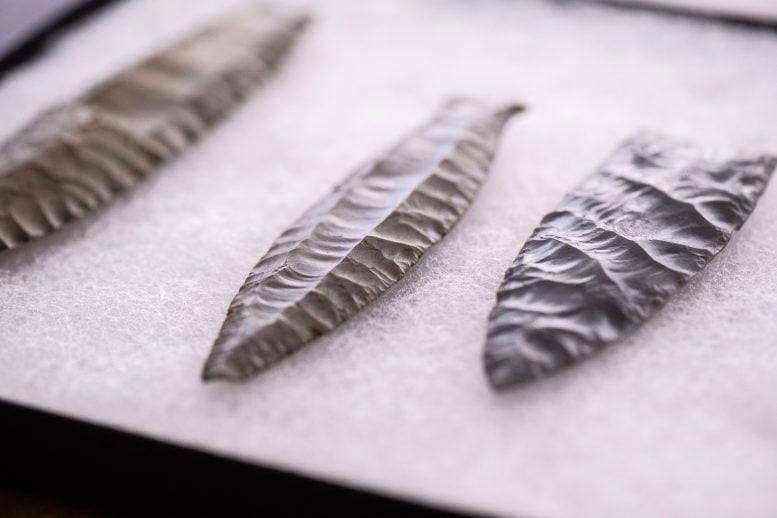
Scientists Decode a 12,000-Year-Old Mystery Hidden in Ancient Spear Points
Analysis of 500 ancient spear points suggests that Ice Age hunters in the Tennessee River Valley discarded usable tools to lighten their load, relying on inherited knowledge of stone deposits to replace them later. This behavior indicates that these early humans strategically managed their resources based on the availability of suitable rock.

Bendy elm still standing against all odds crowned UK tree of the year
A 150-year-old wych elm in Northern Ireland has won the UK's tree of the year competition for its unusual horizontal trunk. The tree grew sideways due to persistent, strong winds blowing off the Irish Sea.