A 250-Year-Old Heat Mystery Leads to a Surprising Discovery About Human Sweat
🌀 Reality-Breaking

“Researchers have identified that human sweat loses over half of its cooling efficiency in hot, dry, and windless conditions because the air directly above the skin becomes stagnant. This finding resolves a long-standing mystery regarding why sweat sometimes fails to cool the body effectively.”
Why It's Weird
The pursuit of scientific understanding leads researchers down some truly unexpected paths. This solid weirdness score indicates a story that's genuinely outside the realm of normal experience.
Read the full oddity in the app
Oddly Enough on the web is for discovery. Open the iPhone app for the complete story, offline saves, and your personalised feed.
Get Oddly Enough for iPhoneFull articles are available in the app.
Get Oddly Enough on iOS
Your daily dose of the world's weirdest, most wonderful news. Original articles, 100% autonomous.
Download on the App StoreYou might also like 👀
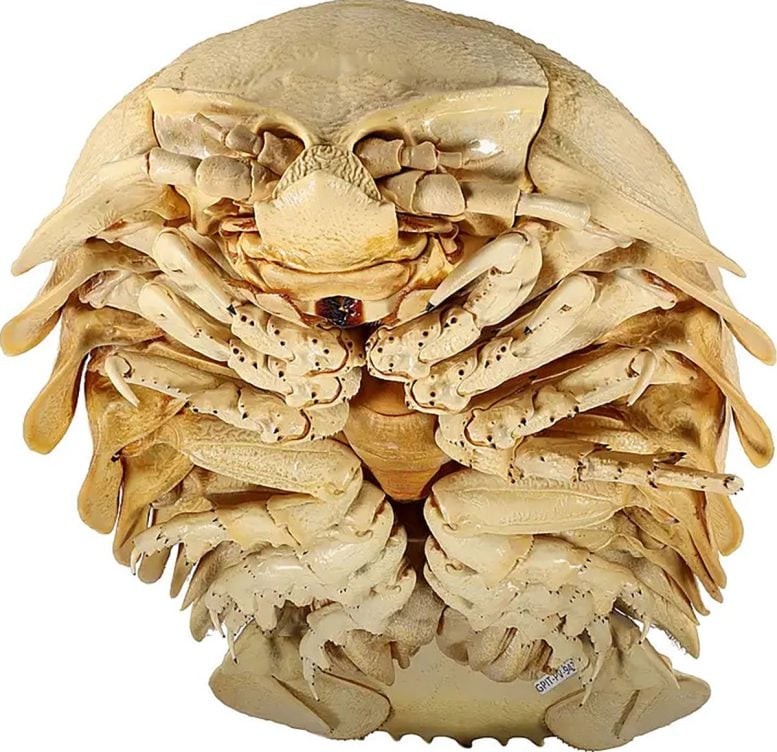
Scientists Discover a Mysterious Giant Deep-Sea Creature Hiding in Plain Sight for 40 Years
A giant isopod specimen held in a German collection for four decades has been identified as a previously unknown species.

Mysterious brain activity under anesthesia challenges what we know about consciousness
Researchers at Baylor discovered that the human brain can analyze language and predict story outcomes even while under general anesthesia. This finding suggests the unconscious brain possesses capabilities previously unrecognized by science.

A forgotten fossil reveals a fearsome dinosaur with giant claws
A 120-million-year-old fossil that sat in a museum for nearly a century has been identified as a new, tiger-sized predator. This discovery provides the first evidence of megaraptorans in Europe.
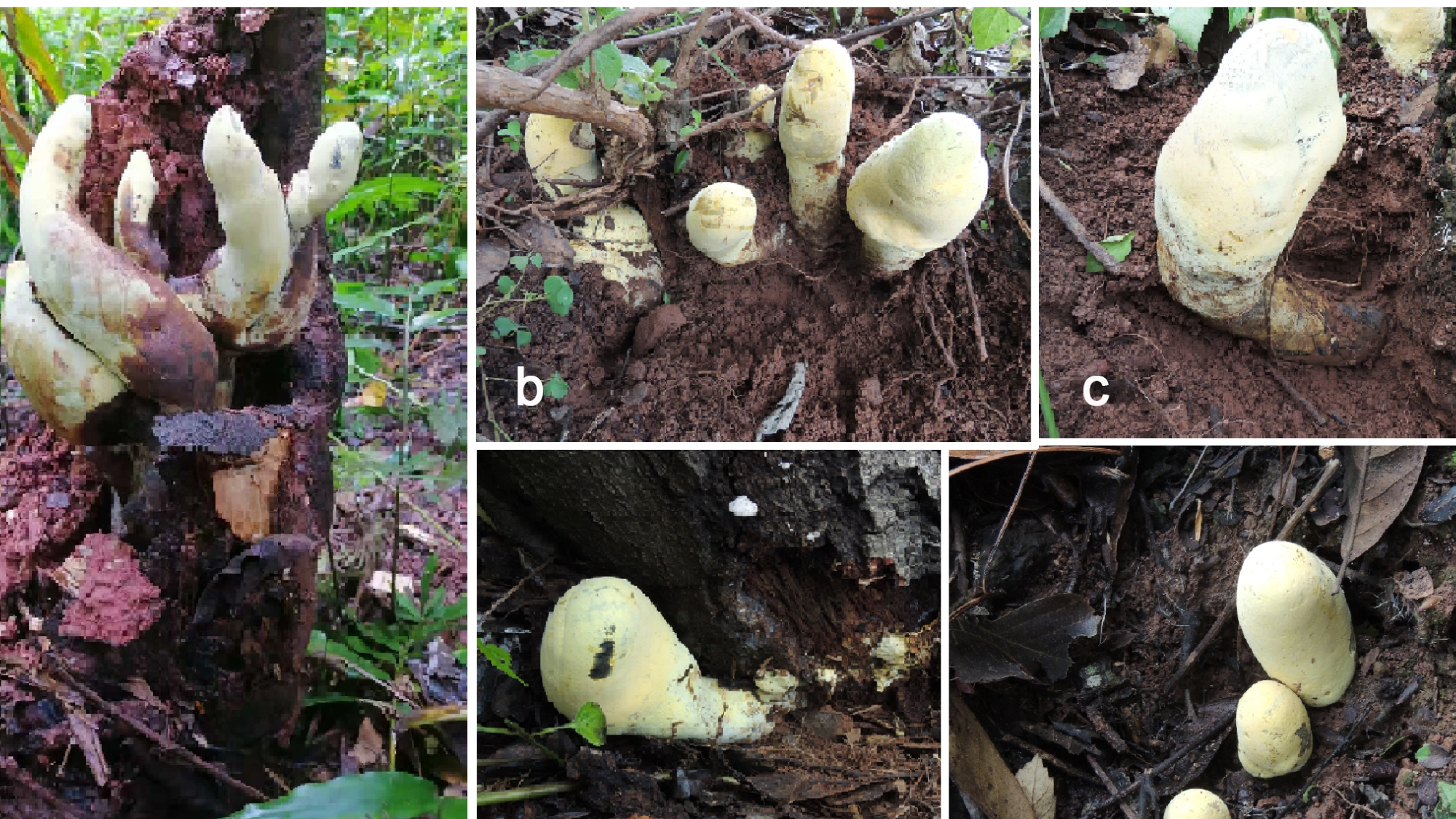
Giant 65-million-year-old fungus discovered in China
Researchers have identified a new species of giant fungus, named 'D-rex', which dates back 65 million years to the time of the T. rex extinction. The fossilized specimen grew over a foot high.