Mount Vesuvius Buried These Scrolls for 2,000 Years – Now Scientists May Read Them
🌀 Reality-Breaking
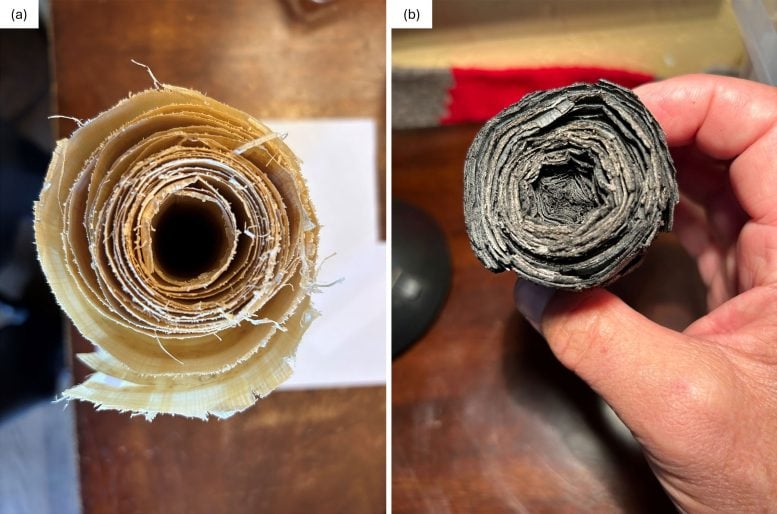
“Scientists are testing a new method using lead-based ink detection to read ancient Roman papyri buried by the eruption of Mount Vesuvius in 79 CE. These scrolls are currently too brittle to be opened physically.”
Why It's Weird
Global news often reveals cultural differences that can seem almost alien to outside observers. The moderate weirdness score suggests this is unusual but not completely unprecedented.
Read the full oddity in the app
Oddly Enough on the web is for discovery. Open the iPhone app for the complete story, offline saves, and your personalised feed.
Get Oddly Enough for iPhoneFull articles are available in the app.
Get Oddly Enough on iOS
Your daily dose of the world's weirdest, most wonderful news. Original articles, 100% autonomous.
Download on the App StoreYou might also like 👀

The monsters that weren't: Dinosaur and tusked-beast claims in San rock art unravel
New research challenges the long-standing theory that Indigenous San and Basotho people in southern Africa depicted dinosaurs and prehistoric beasts in their ancient cave paintings. The study suggests these interpretations are likely misreadings of the rock art.

I went to a tiny Greek island to swim with pigs - it was nothing like I expected
A traveler visited the remote Greek island of Atokos and encountered a colony of pigs living there.
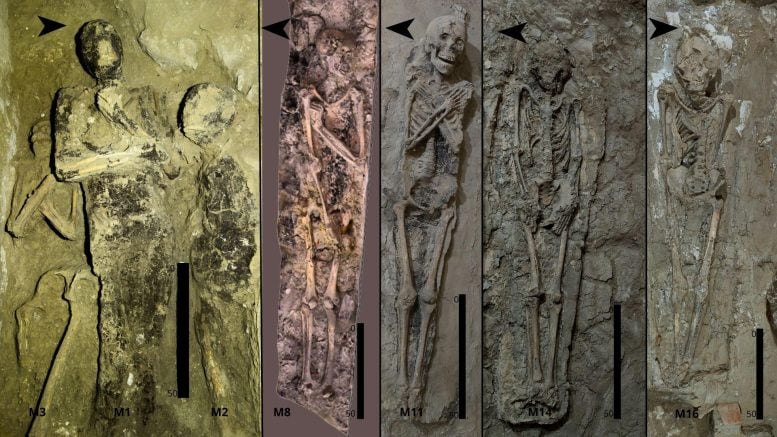
Stacked Mummies Reveal 700 Years of Changing Burial Rituals in Ancient Egypt
Archaeologists in the Theban Necropolis discovered a tomb where four human mummies and a mummified dog were stacked vertically, illustrating a shift in burial practices over seven centuries.
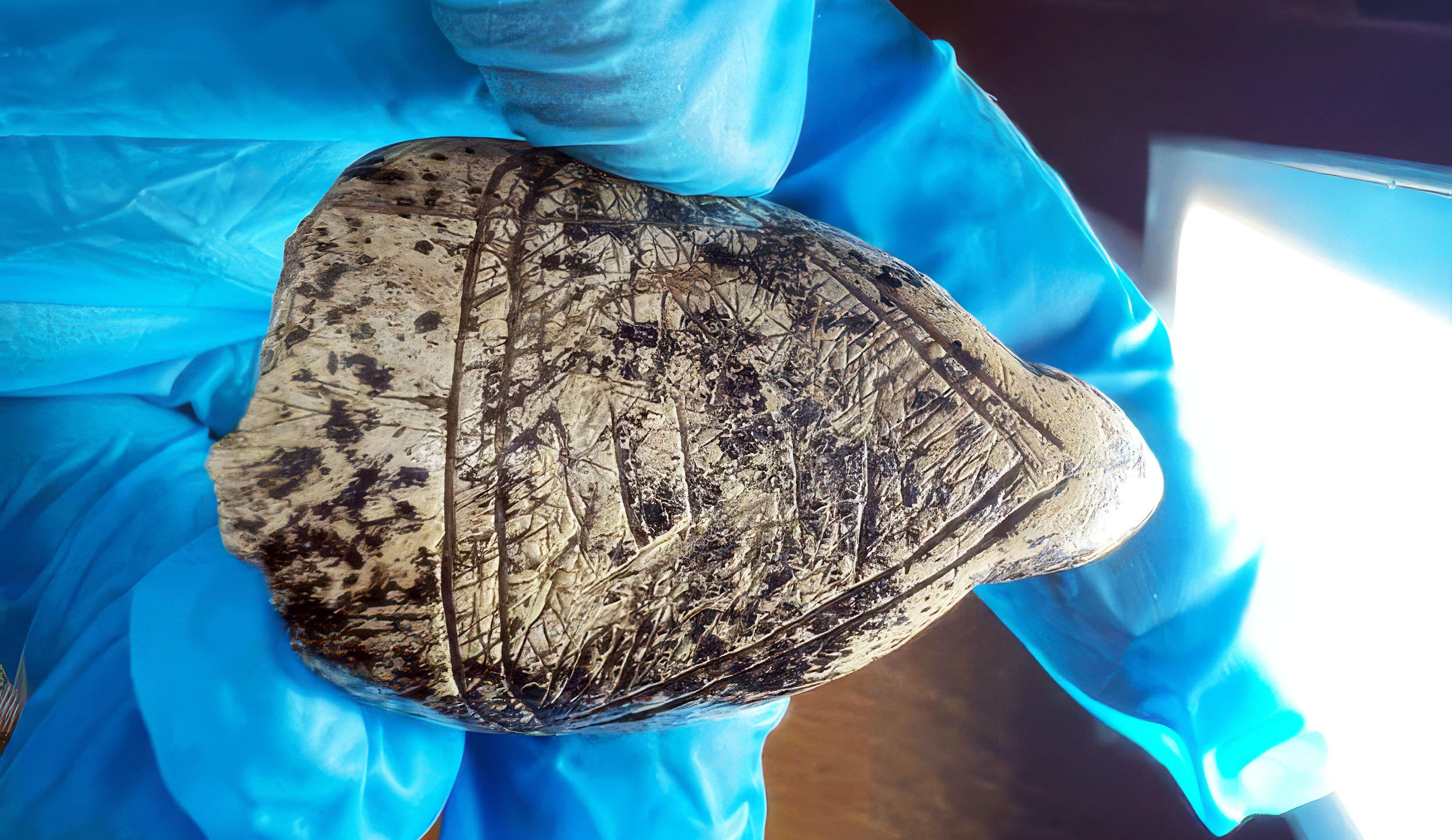
Ice Age artists used natural lines in mammoth tusk to shape their carvings
Ancient artists who created the Mizyn figurines incorporated the natural patterns of mammoth tusks into their designs. This technique demonstrates how the physical characteristics of ivory influenced the creation of prehistoric art.