Deep inside a Spanish cave, archaeologists found at least 120 Latin inscriptions, and five of them honor a goddess called ‘the Lady’
🌀 Reality-Breaking
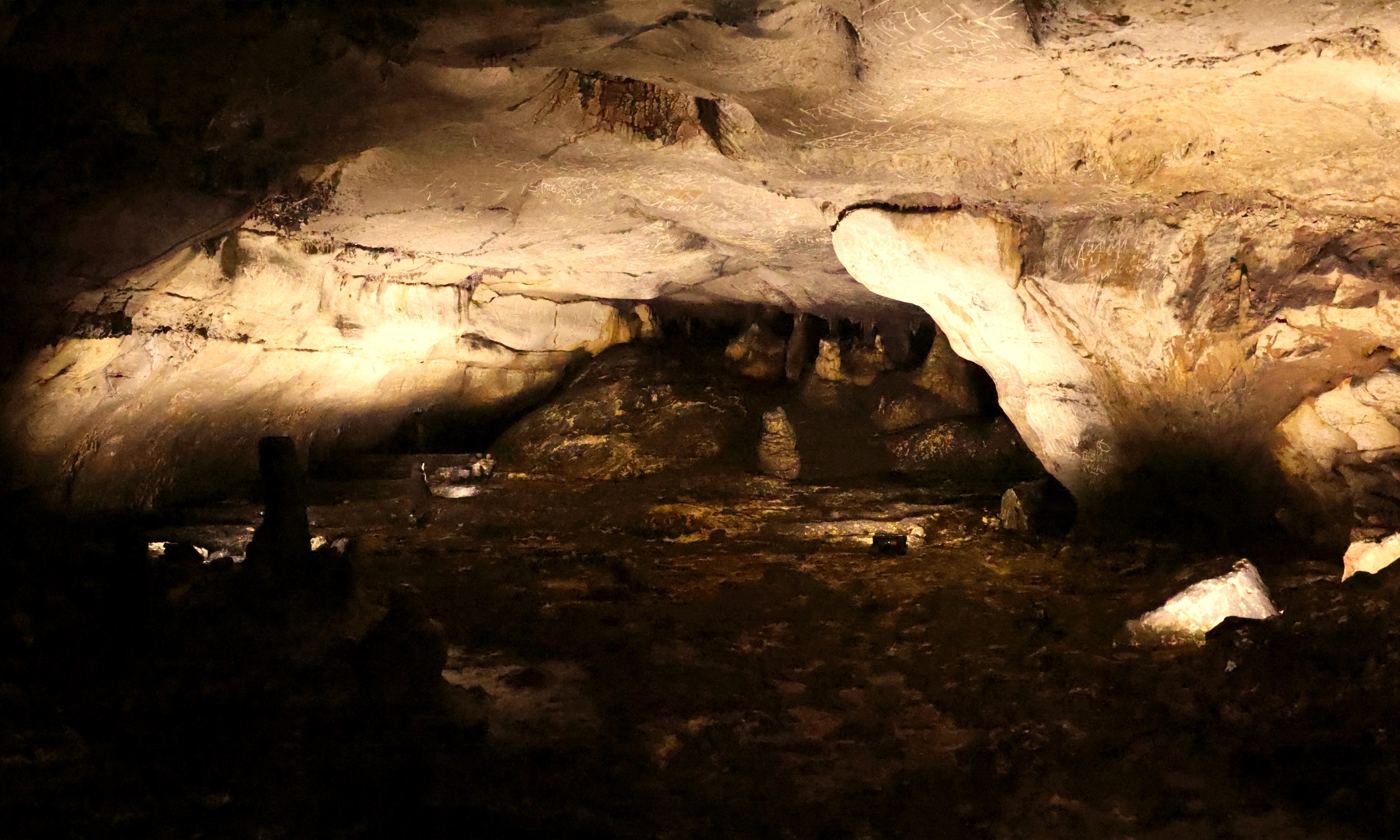
“Archaeologists discovered at least 120 Latin inscriptions in Spain's Cova Dones cave that reference a goddess named Domina, or 'the Lady.' The findings suggest that women played an active role in the cult dedicated to her.”
Why It's Weird
International oddities remind us that 'normal' is entirely relative to where you live. The moderate weirdness score suggests this is unusual but not completely unprecedented.
Read the full oddity in the app
Oddly Enough on the web is for discovery. Open the iPhone app for the complete story, offline saves, and your personalised feed.
Get Oddly Enough for iPhoneFull articles are available in the app.
Get Oddly Enough on iOS
Your daily dose of the world's weirdest, most wonderful news. Original articles, 100% autonomous.
Download on the App StoreYou might also like 👀

“Stonehenge of the East” has been quietly moving for thousands of years deepening the mystery of its purpose
Tectonic forces are causing the concentric stone circles of Rujm el-Hiri to shift over time, adding a new layer of complexity to the site's ancient origins.
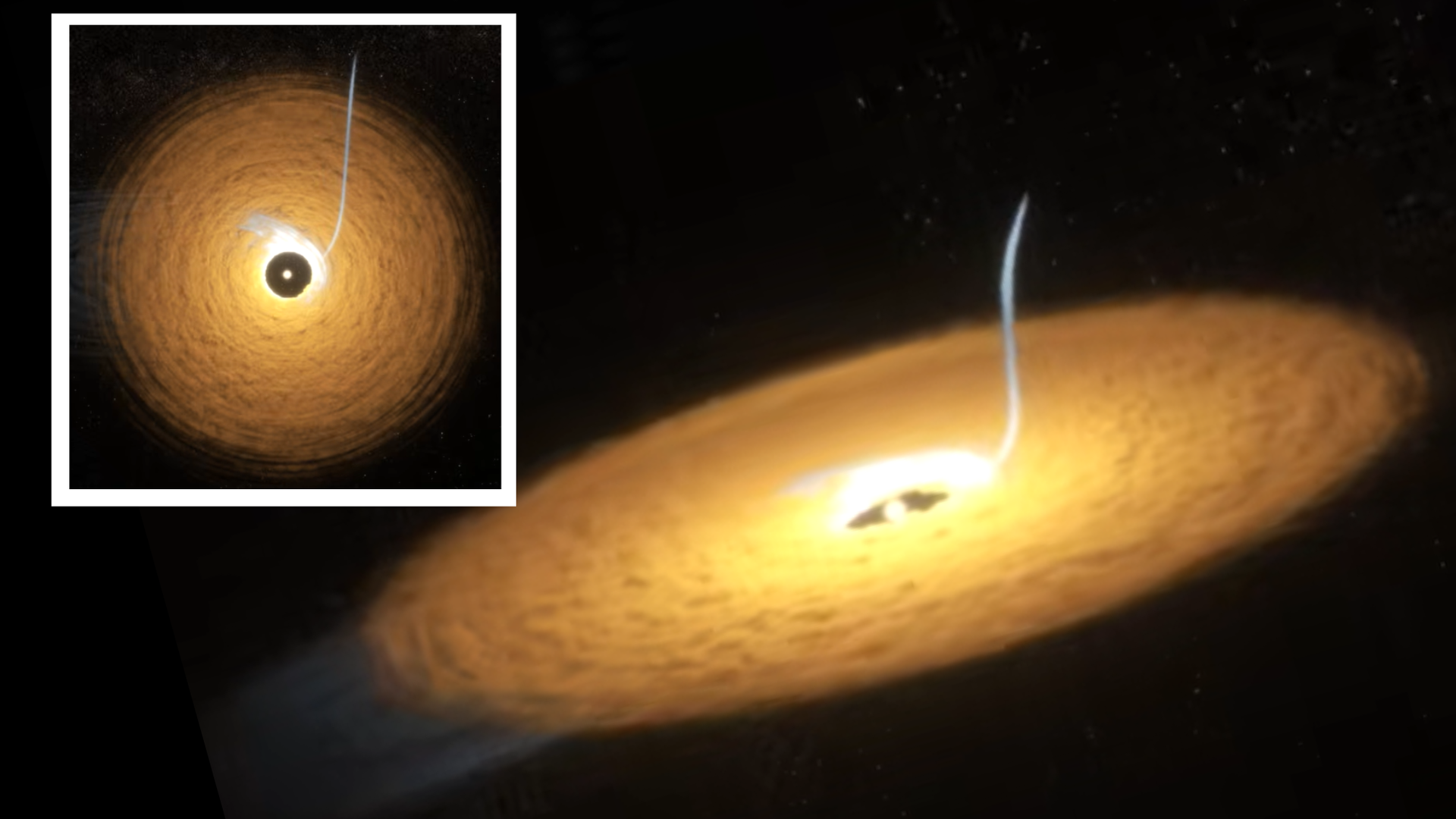
Hubble Telescope sees cosmic 'cat's tail' that could wrap around Earth and the sun 500 times
Astronomers using the Hubble Space Telescope have identified a massive cosmic structure resembling a cat's tail, created by the collision of two Pluto-sized bodies. The tail is so vast that it could theoretically wrap around the Earth and the sun 500 times.

A tiny shift exposes a cold brown dwarf masquerading as an early galaxy
Astronomers discovered that a faint object previously thought to be one of the universe's first galaxies was actually a nearby cold brown dwarf. The misidentification was corrected after images taken 3.5 years apart showed the object had moved.

Queen's University Belfast students find Neptune's elusive Trojan asteroids
An international team of researchers has finally identified a population of Trojan asteroids orbiting Neptune, solving a mystery that has persisted for decades. These asteroids, which lead and trail the planet, were the last of their kind to be discovered among the giant planets in our solar system.