Scientists Made Ice Stay Solid Above 2,000°C. The ‘Superionic Ice’ Could Be Found Inside Uranus and Neptune
🌀 Reality-Breaking

“Researchers have created a bizarre form of 'superionic ice' that remains solid at temperatures exceeding 2,000°C by applying millions of atmospheres of pressure. This material is theorized to exist within the interiors of Uranus and Neptune.”
Why It's Weird
Research pushes boundaries in ways that can seem bizarre but ultimately expand human knowledge. This solid weirdness score indicates a story that's genuinely outside the realm of normal experience.
Read the full oddity in the app
Oddly Enough on the web is for discovery. Open the iPhone app for the complete story, offline saves, and your personalised feed.
Get Oddly Enough for iPhoneFull articles are available in the app.
Get Oddly Enough on iOS
Your daily dose of the world's weirdest, most wonderful news. Original articles, 100% autonomous.
Download on the App StoreYou might also like 👀
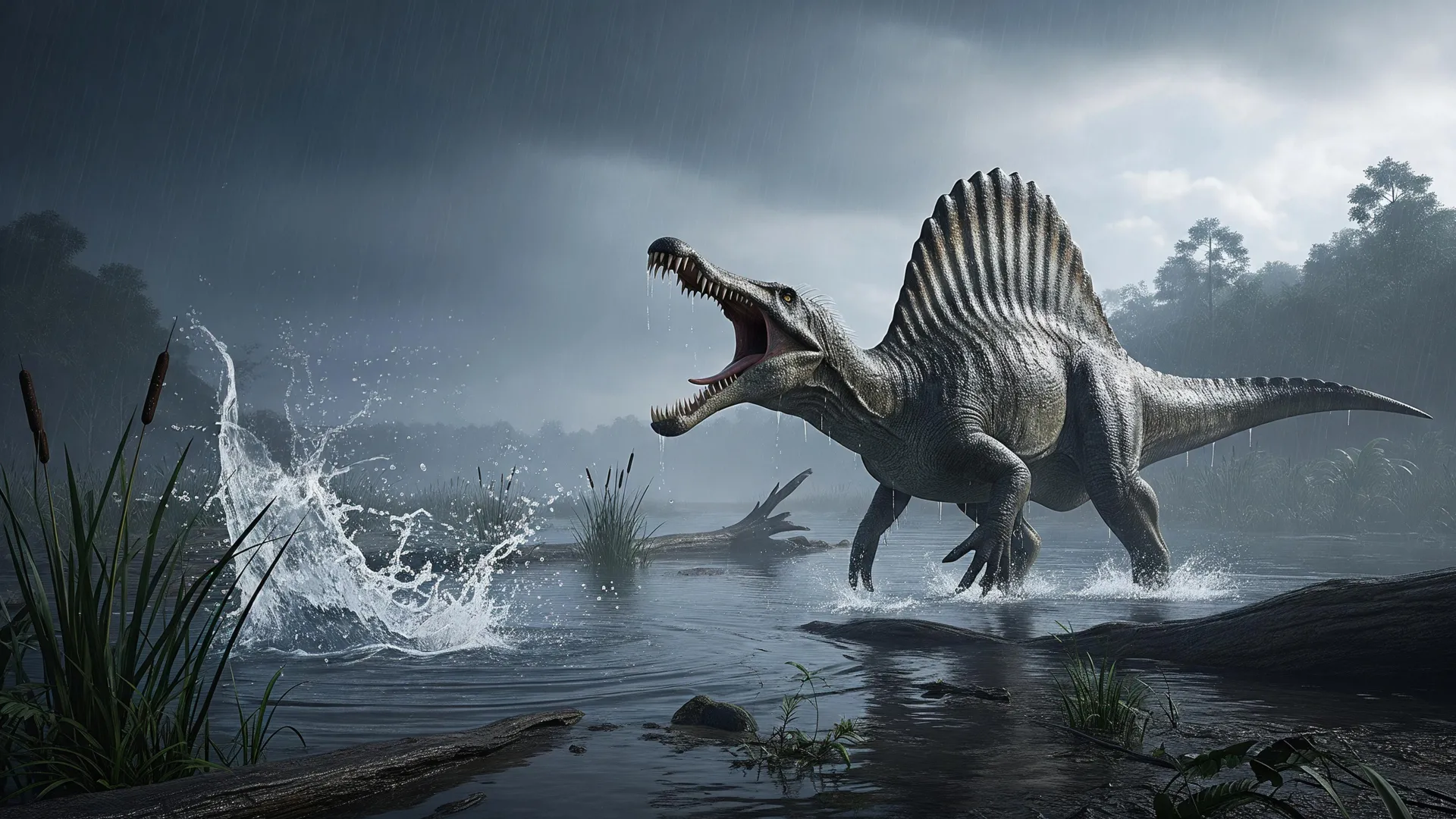
New evidence suggests spinosaurus spent most of its life underwater
Using machine learning and thousands of fossil measurements, scientists have determined that the prehistoric Spinosaurus likely lived primarily underwater. The study also revealed that some other ancient marine reptiles previously thought to be fully aquatic actually spent significant time on land.

Atomic-6 Space Armor tiles reach orbit for first time, can stop 16,000 mph projectiles
Atomic-6 has successfully launched its composite Space Armor tiles into orbit for the first time. These tiles are designed to withstand impacts from debris traveling at speeds up to 16,000 mph.
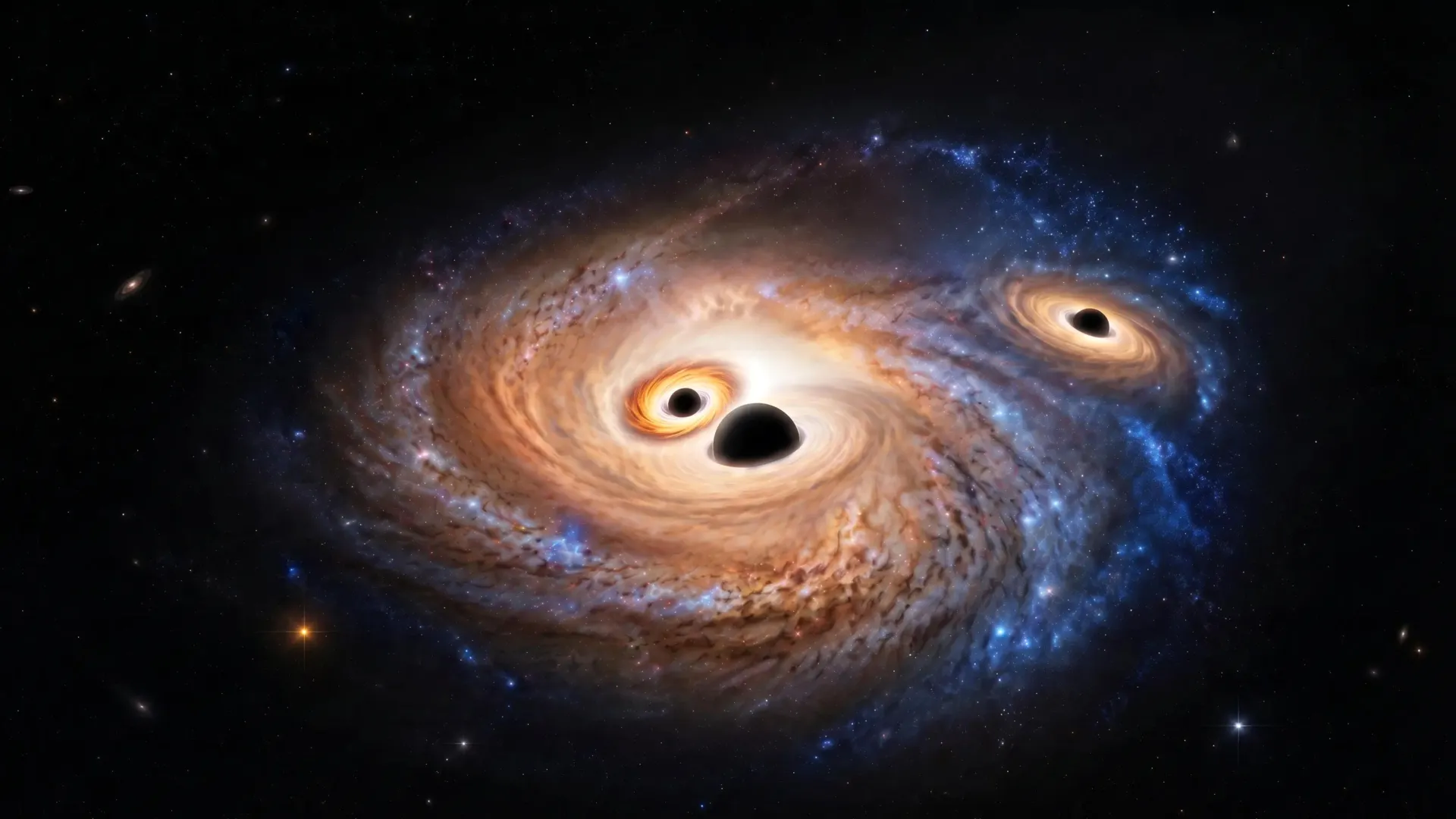
Three giant black holes discovered in a galaxy from the dawn of time
Astronomers have identified three actively feeding black holes within a single galaxy located over 12.5 billion light-years away. Two of these massive objects are positioned just 620 light-years apart and are expected to eventually collide.
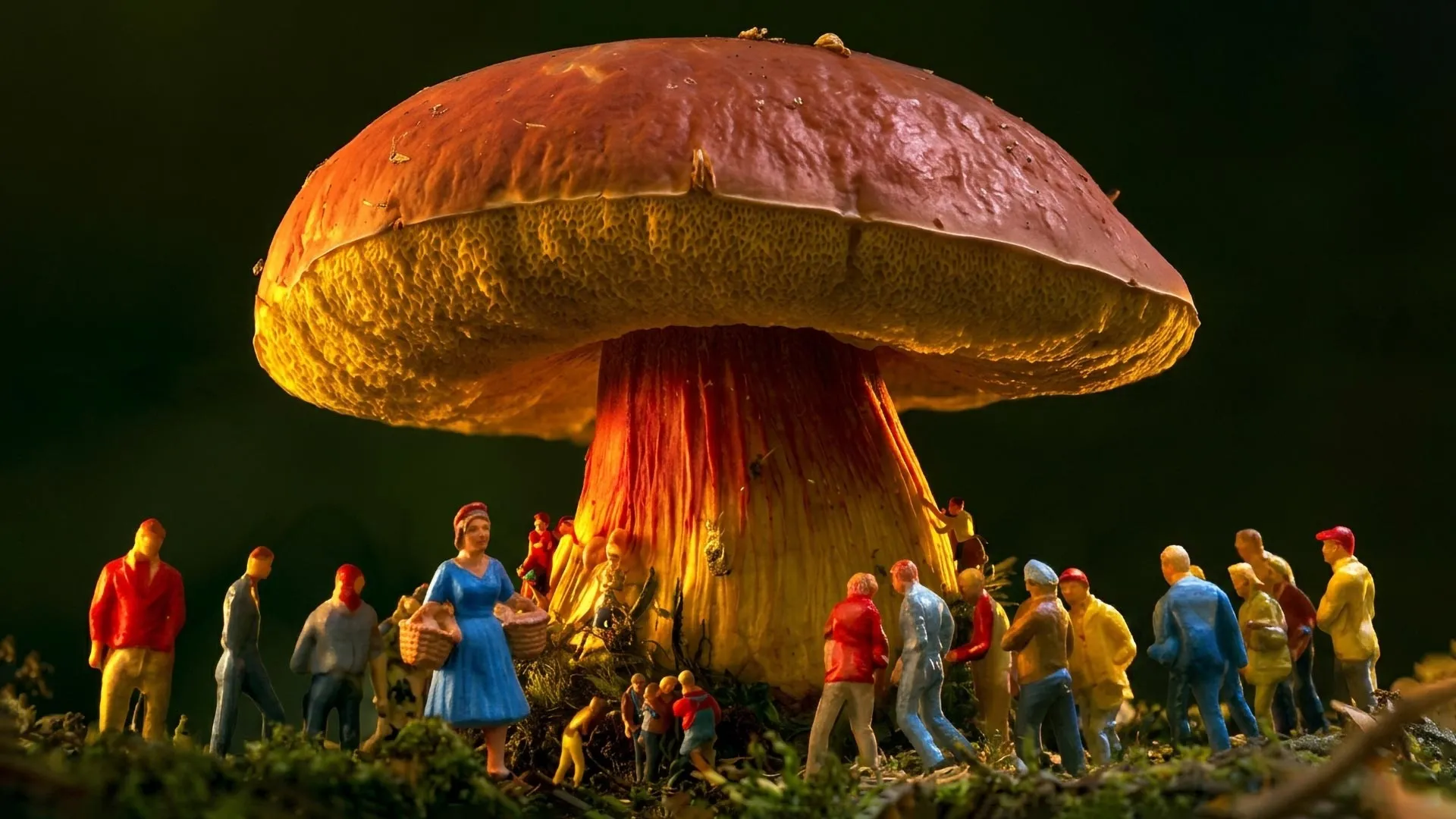
This mysterious mushroom makes people see hundreds of tiny humans
Scientists have identified a mushroom species, Lanmaoa asiatica, linked to bizarre reports of hallucinations involving hundreds of tiny, colorful humans. These experiences have been documented in China and the Philippines for nearly a century.