Two new large stick insect species discovered in Australia
🌀 Reality-Breaking

“Researchers have identified two new species of large stick insects in Australia, including one that lays unique lidded eggs. A third species, previously overlooked, was also confirmed during the study.”
Why It's Weird
The natural world continues to prove that truth is indeed stranger than fiction. The moderate weirdness score suggests this is unusual but not completely unprecedented.
Read the full oddity in the app
Oddly Enough on the web is for discovery. Open the iPhone app for the complete story, offline saves, and your personalised feed.
Get Oddly Enough for iPhoneFull articles are available in the app.
Get Oddly Enough on iOS
Your daily dose of the world's weirdest, most wonderful news. Original articles, 100% autonomous.
Download on the App StoreYou might also like 👀

This Tiny Wildcat Was Mistaken for a House Cat and Turned Out to Be the First New Cat Species in More Than 100 Years
DNA analysis revealed that a feline previously mistaken for a common house cat is actually a distinct, previously unidentified wildcat species. This discovery marks the first new cat species identified in over a century.

Scientists Found the ‘Chunkiest’ Jurassic Squid Relative Ever Known
Paleontologists have identified a fossilized squid relative from the Jurassic period that is three times wider than its contemporaries. The creature is being described as the "chunkiest" of its kind ever discovered.

UK's 'cheating cat' hotspots named
Research has identified specific UK locations where cats are most likely to wander into neighboring homes. These 'cheating' felines are reportedly seeking extra food, naps, and attention from people other than their owners.
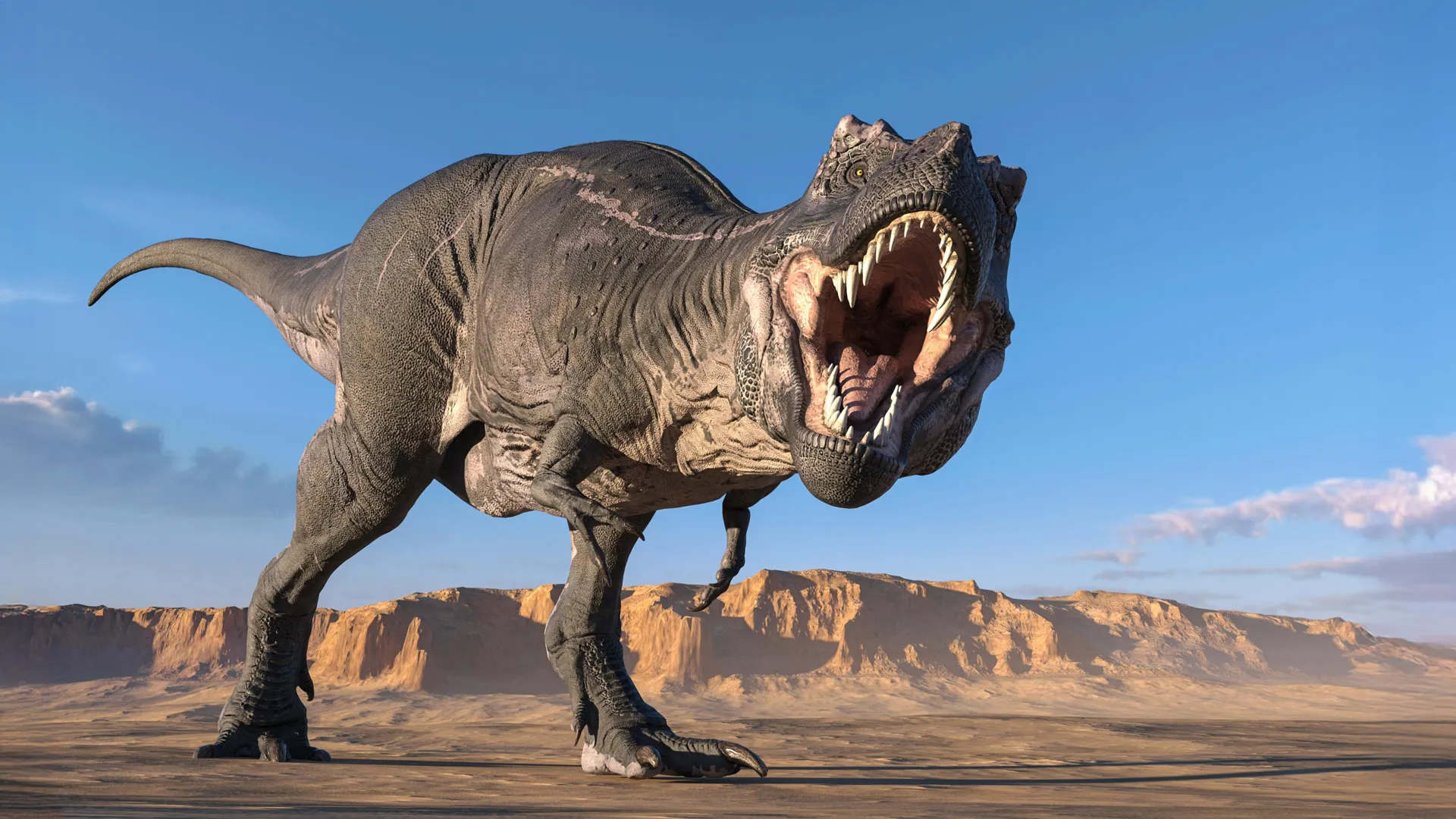
A 66-million-year-old tooth reveals T. rex was nearly as warm as a human
Chemical analysis of fossilized T. rex teeth suggests the dinosaur maintained a body temperature of approximately 97 degrees Fahrenheit, indicating it was warm-blooded.