Scientists discover a hidden 'immune organ' inside the skull
🌀 Reality-Breaking

“Researchers at the Washington University School of Medicine in St. Louis have identified lymph node-like structures within skull bone marrow. These hubs appear to function as rapid-response centers for the brain, challenging the long-held belief that the brain operates independently of the immune system.”
Why It's Weird
Research pushes boundaries in ways that can seem bizarre but ultimately expand human knowledge. This solid weirdness score indicates a story that's genuinely outside the realm of normal experience.
Read the full oddity in the app
Oddly Enough on the web is for discovery. Open the iPhone app for the complete story, offline saves, and your personalised feed.
Get Oddly Enough for iPhoneFull articles are available in the app.
Get Oddly Enough on iOS
Your daily dose of the world's weirdest, most wonderful news. Original articles, 100% autonomous.
Download on the App StoreYou might also like 👀

“Crawzilla” was huge. Then scientists found an even bigger crayfish
Scientists conducting a nationwide search for giant crayfish discovered a record-breaking specimen in Tennessee. The find has prompted researchers to investigate the biological limits on how large these freshwater crustaceans can grow.

Astronomers discover the first-ever green star, plus the reddest 'white dwarf' ever seen
A new study reveals that white dwarf stars can appear in a wide spectrum of colors, including the first-ever identified green star. These stellar remnants exhibit a rainbow of hues previously not fully documented.
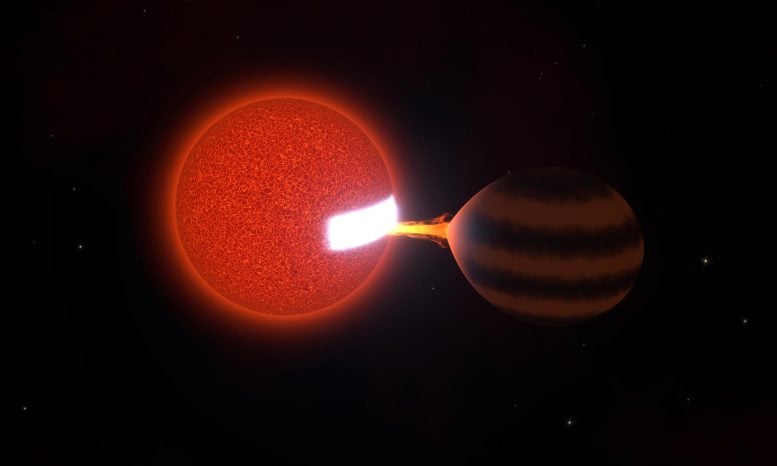
MIT Astronomers Catch a Star Slowly Eating Its Companion 300 Light-Years Away
Astronomers have observed a small star located 300 light-years from Earth slowly consuming a companion star that orbits it every 87 minutes. This cosmic feeding process is expected to continue for billions of years.
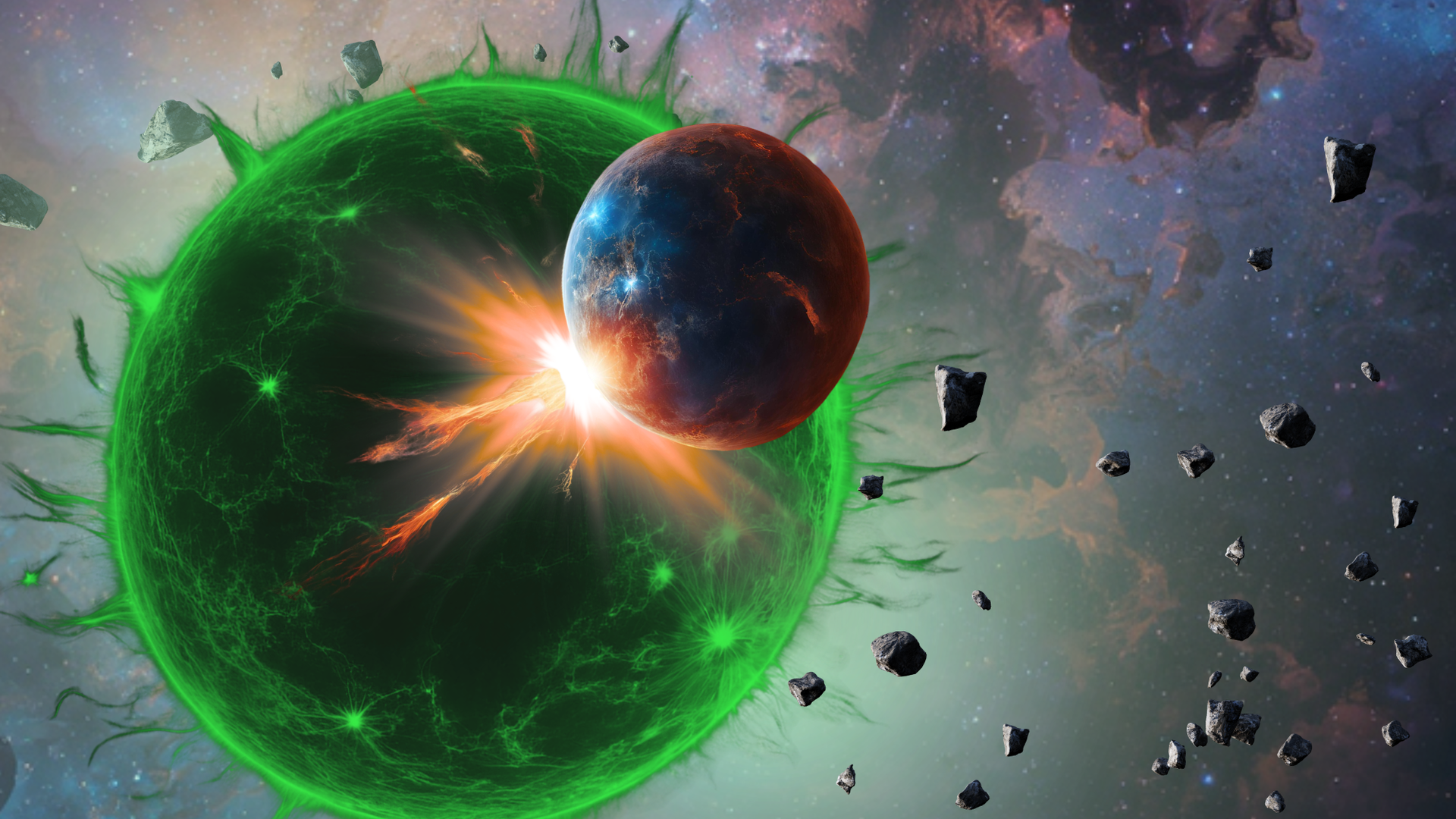
Astronomers discover the 1st ever green star, a cosmic zombie just in time for Halloween
Scientists have identified a star that may emit a green glow after it dies and transforms into a cosmic zombie. This phenomenon is expected to occur billions of years in the future.