Scientists discover 'D-rex', a giant fungus from Chinese forests whose unique lineage dates back 65 million years
🌀 Reality-Breaking

“Researchers in Yunnan, China, have identified a new giant fungus species, Dianjunus rex, which produces fruiting bodies up to 50 cm tall. This discovery represents the largest known species within the phylum Ascomycota.”
Why It's Weird
Animals have an uncanny ability to surprise us with behaviors we never thought possible. This solid weirdness score indicates a story that's genuinely outside the realm of normal experience.
Read the full oddity in the app
Oddly Enough on the web is for discovery. Open the iPhone app for the complete story, offline saves, and your personalised feed.
Get Oddly Enough for iPhoneFull articles are available in the app.
Get Oddly Enough on iOS
Your daily dose of the world's weirdest, most wonderful news. Original articles, 100% autonomous.
Download on the App StoreYou might also like 👀

Isle of Wight fossil Europe's first known long-clawed megaraptoran dinosaur
A UCL-led team has identified a new species of long-clawed, tiger-sized predatory dinosaur from a fossil found on the Isle of Wight. This discovery marks the first time a megaraptoran has been found in Europe.
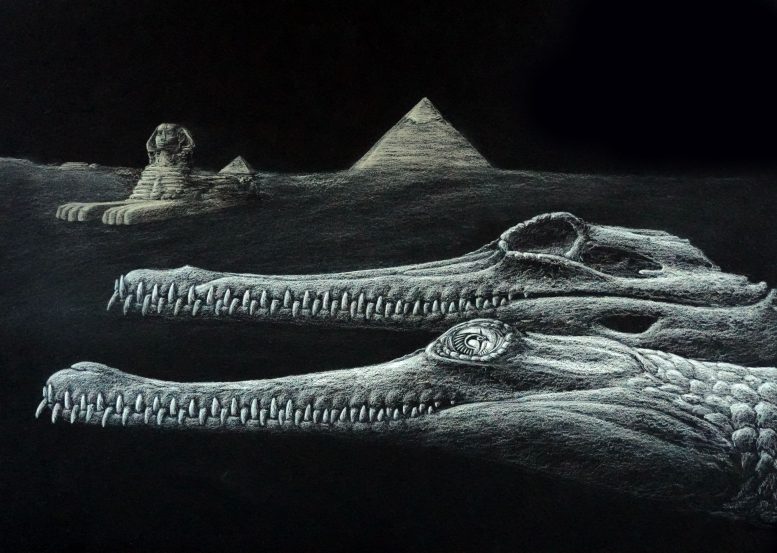
Scientists Discover 45-Million-Year-Old Crocodile With a Strange Connection to Egypt’s Great Sphinx
Researchers have identified a new species of 45-million-year-old crocodile whose fossils were found in the same rock formations as the Great Sphinx. The discovery was prompted by a missing snout tip that helped distinguish the species from the false gharial.
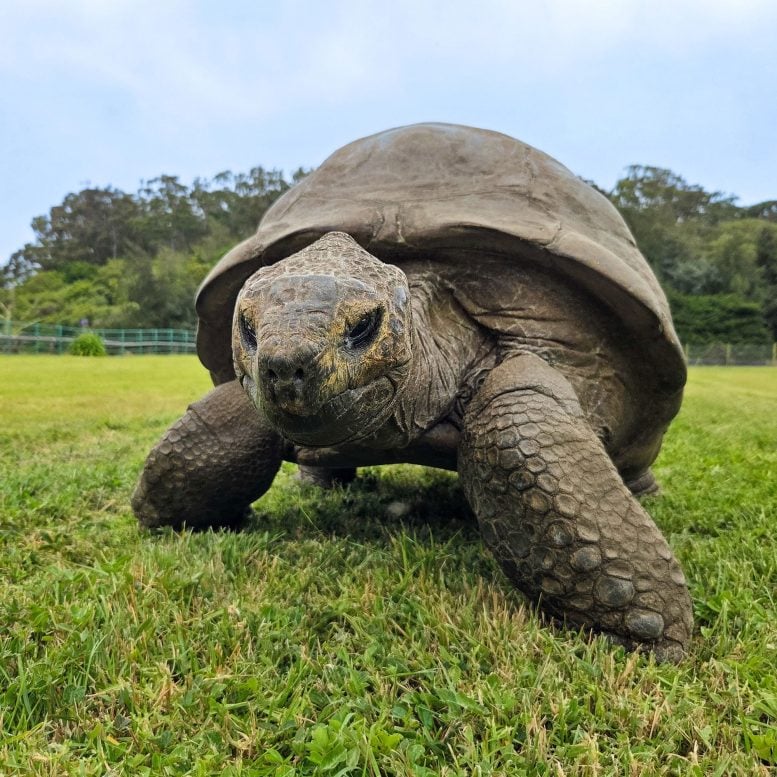
The World’s Oldest Land Animal Has a Remarkable Anti-Aging Secret Hidden in Its DNA
Jonathan the giant tortoise, who hatched in 1832, possesses 287 unique gene variants related to DNA repair and aging defenses. Researchers are studying these genetic traits in hopes of developing future anti-aging treatments for humans.

Baby tooth places macaques in northern Germany more than 300,000 years ago
Researchers have identified a fossilized baby tooth from the Schöningen archaeological site as belonging to a macaque, proving the primates lived in northern Germany over 300,000 years ago. This discovery provides new evidence regarding the historical range of these monkeys in Europe.