Astronomers discover 'backward' planet orbiting its star in the wrong direction
🌀 Reality-Breaking
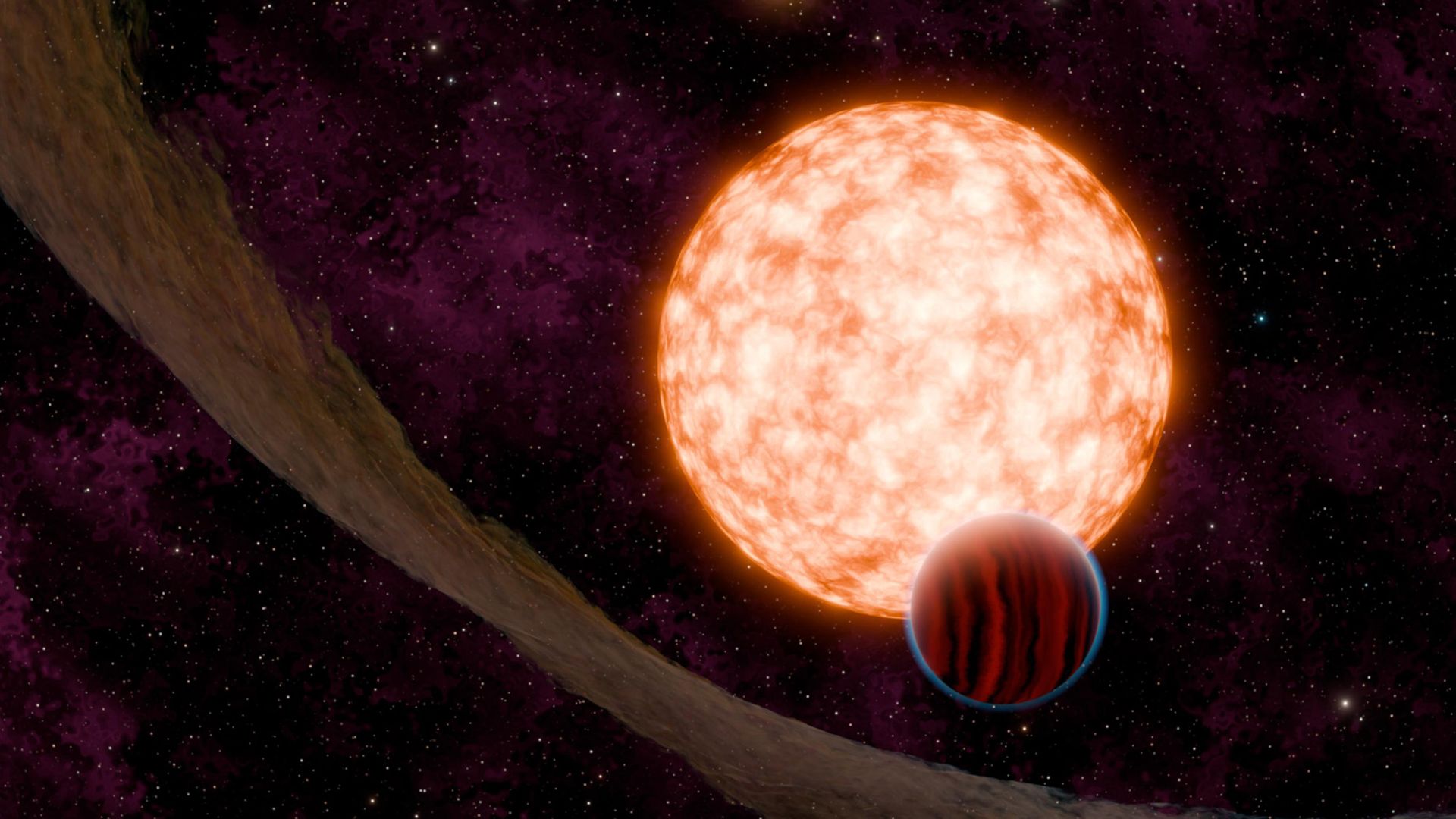
“Scientists have identified an exoplanet that orbits its host star in the opposite direction of the star's rotation. This discovery challenges current models of how complex planetary systems are formed.”
Why It's Weird
Research pushes boundaries in ways that can seem bizarre but ultimately expand human knowledge. This solid weirdness score indicates a story that's genuinely outside the realm of normal experience.
Read the full oddity in the app
Oddly Enough on the web is for discovery. Open the iPhone app for the complete story, offline saves, and your personalised feed.
Get Oddly Enough for iPhoneFull articles are available in the app.
Get Oddly Enough on iOS
Your daily dose of the world's weirdest, most wonderful news. Original articles, 100% autonomous.
Download on the App StoreYou might also like 👀

Researcher solves a nanoparticle mystery using an iPhone camera
A chemistry student at Carnegie Mellon University utilized her iPhone camera to make a scientific discovery regarding tiny particles. Her research focuses on improving how medicines and vaccines travel through the human body.

Scientists Simulated Microgravity in Human Cells and Found Something Unexpected About DNA
Researchers simulating microgravity found that while the environment altered the structure of the cell nucleus, the genome itself remained surprisingly intact.

Scientists Discover a Molecular “Memory” That Could Make Lost Weight Come Back
Researchers have identified a cellular mechanism that may act as a molecular memory, potentially explaining why lost weight is frequently regained and why obesity susceptibility can be inherited.

The mystery of whether the universe is infinite
While measurements of ancient light suggest the universe is flat, scientists note it could still be finite if it wraps around on itself in exotic ways. The true nature of the universe's scale remains a complex scientific puzzle.