5,000-year-old skull fractures reveal human sacrifices in Ancient Egypt
🌀 Reality-Breaking
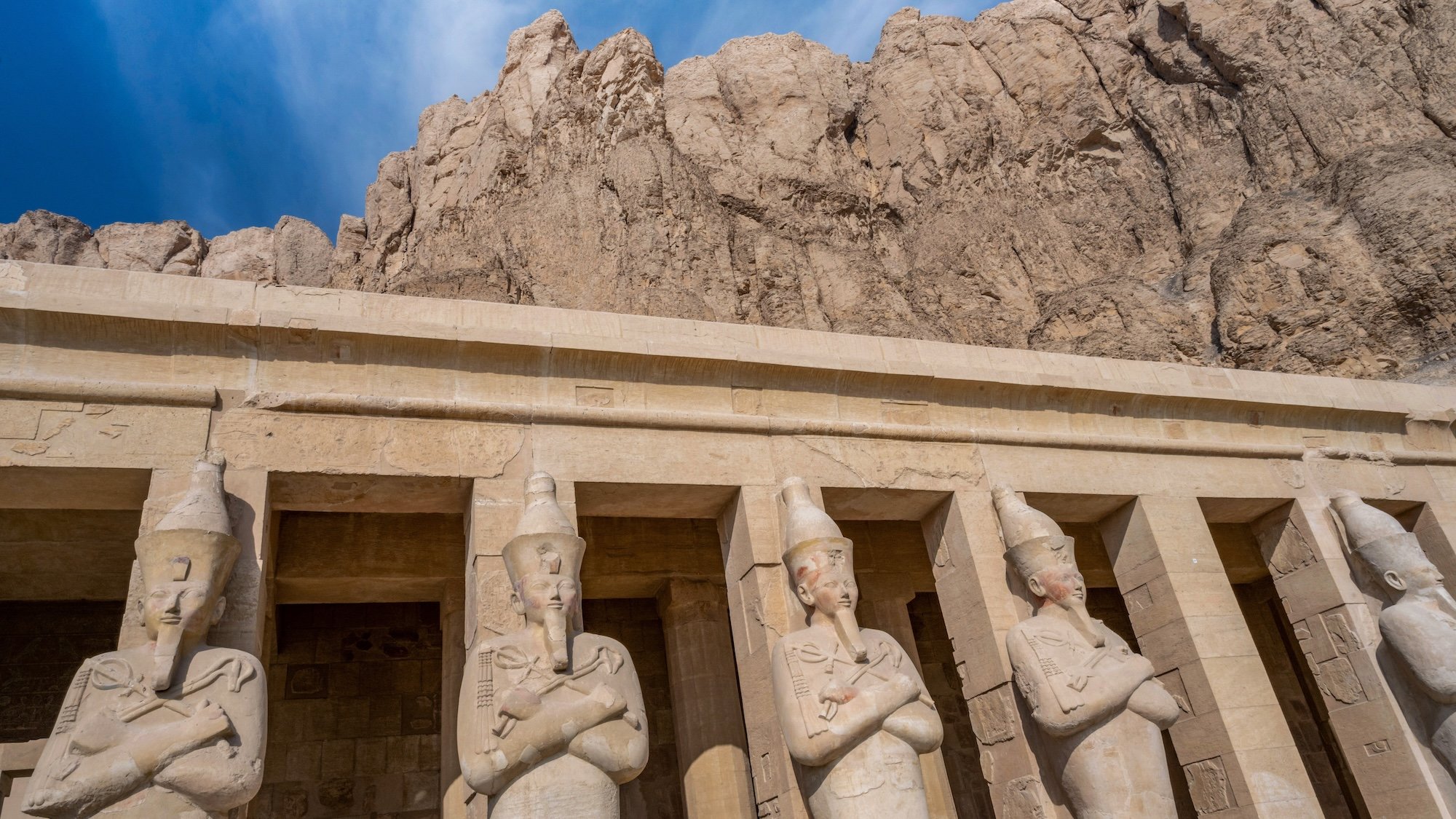
“Archaeologists have identified chopping wounds on 5,000-year-old skulls found in royal Egyptian tombs. These injuries provide evidence of human sacrifice, solving a mystery that has persisted for a century.”
Why It's Weird
The pursuit of scientific understanding leads researchers down some truly unexpected paths. This solid weirdness score indicates a story that's genuinely outside the realm of normal experience.
Read the full oddity in the app
Oddly Enough on the web is for discovery. Open the iPhone app for the complete story, offline saves, and your personalised feed.
Get Oddly Enough for iPhoneFull articles are available in the app.
Get Oddly Enough on iOS
Your daily dose of the world's weirdest, most wonderful news. Original articles, 100% autonomous.
Download on the App StoreYou might also like 👀

Modern forensics reveals human sacrifice in ancient Egypt's royal burials
Forensic analysis of First Dynasty Egyptian tombs reveals that household officials and artisans were buried alongside kings in a high number of simultaneous deaths. This evidence suggests the practice of human sacrifice occurred 500 years before the construction of the Great Pyramid.
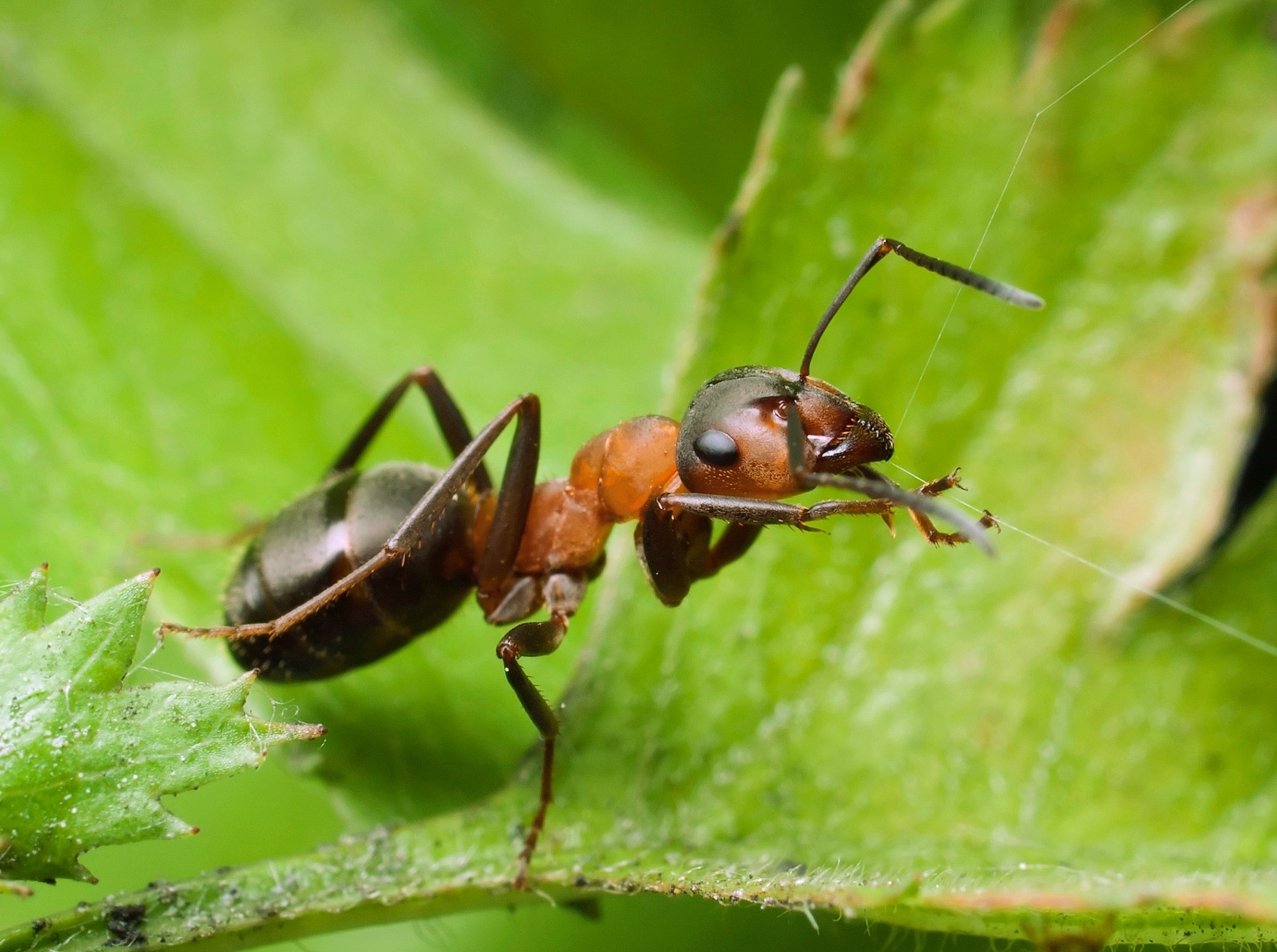
Jumping genes may explain how ants became so diverse after dinosaurs died
Researchers have linked the massive diversification of ant species following the extinction of dinosaurs to the activity of jumping genes within their DNA. This genetic mechanism may explain how ants evolved into thousands of distinct species.

One giant clam contains a month-by-month diary of the Great Barrier Reef's climate 200 years ago
Researchers have discovered that the shell of a giant clam acts as a detailed historical record, providing a month-by-month climate diary of the Great Barrier Reef from two centuries ago.
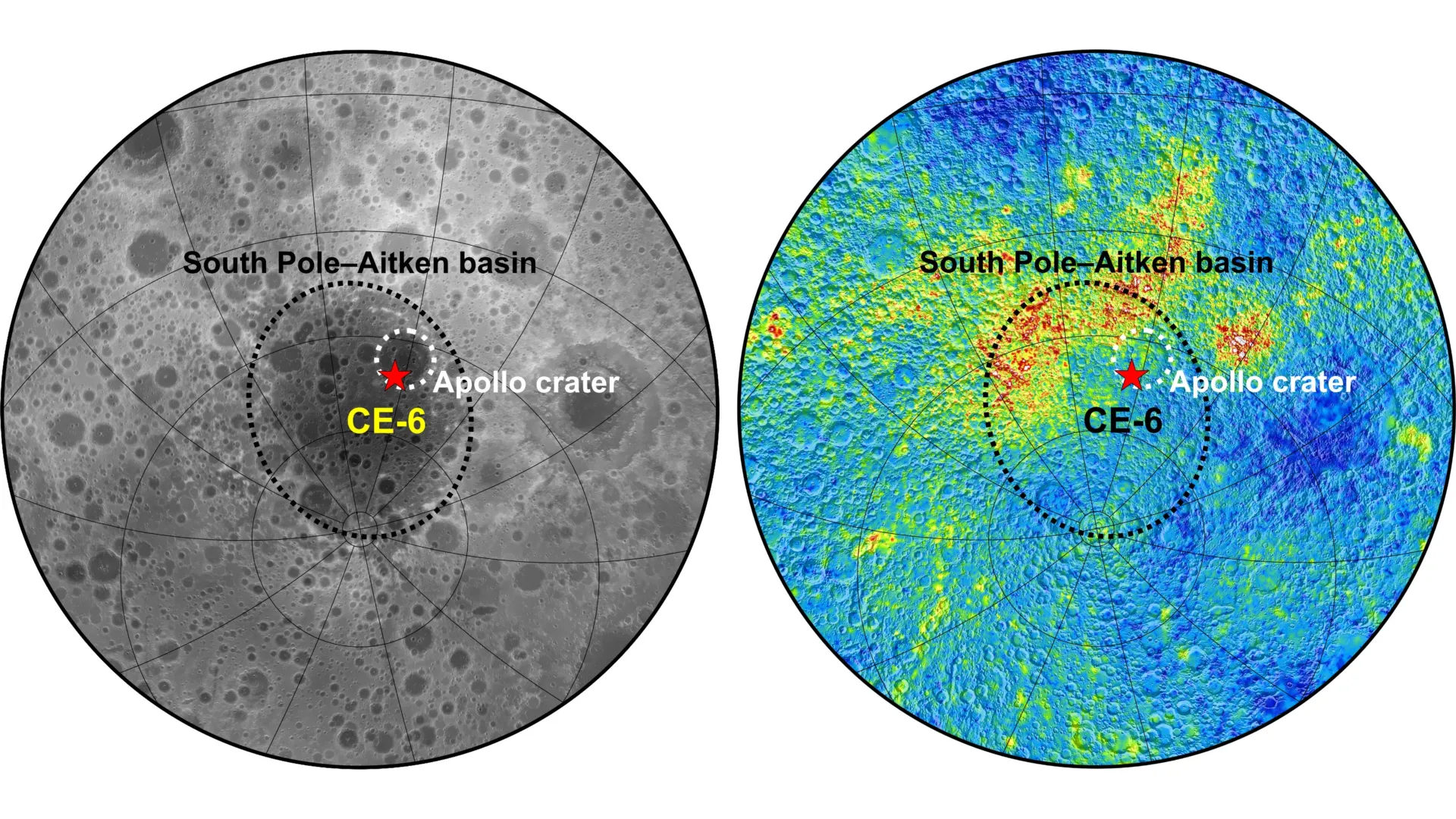
Chang’e-6 lunar soil contains a surprising magnetic time capsule
Scientists have discovered a previously unknown magnetic mineral inside tiny impact-glass particles within lunar soil samples. This mineral may act as a microscopic fossil, preserving a record of the Moon's ancient magnetic field.