The adult brain can repair itself better than scientists thought
🌀 Reality-Breaking
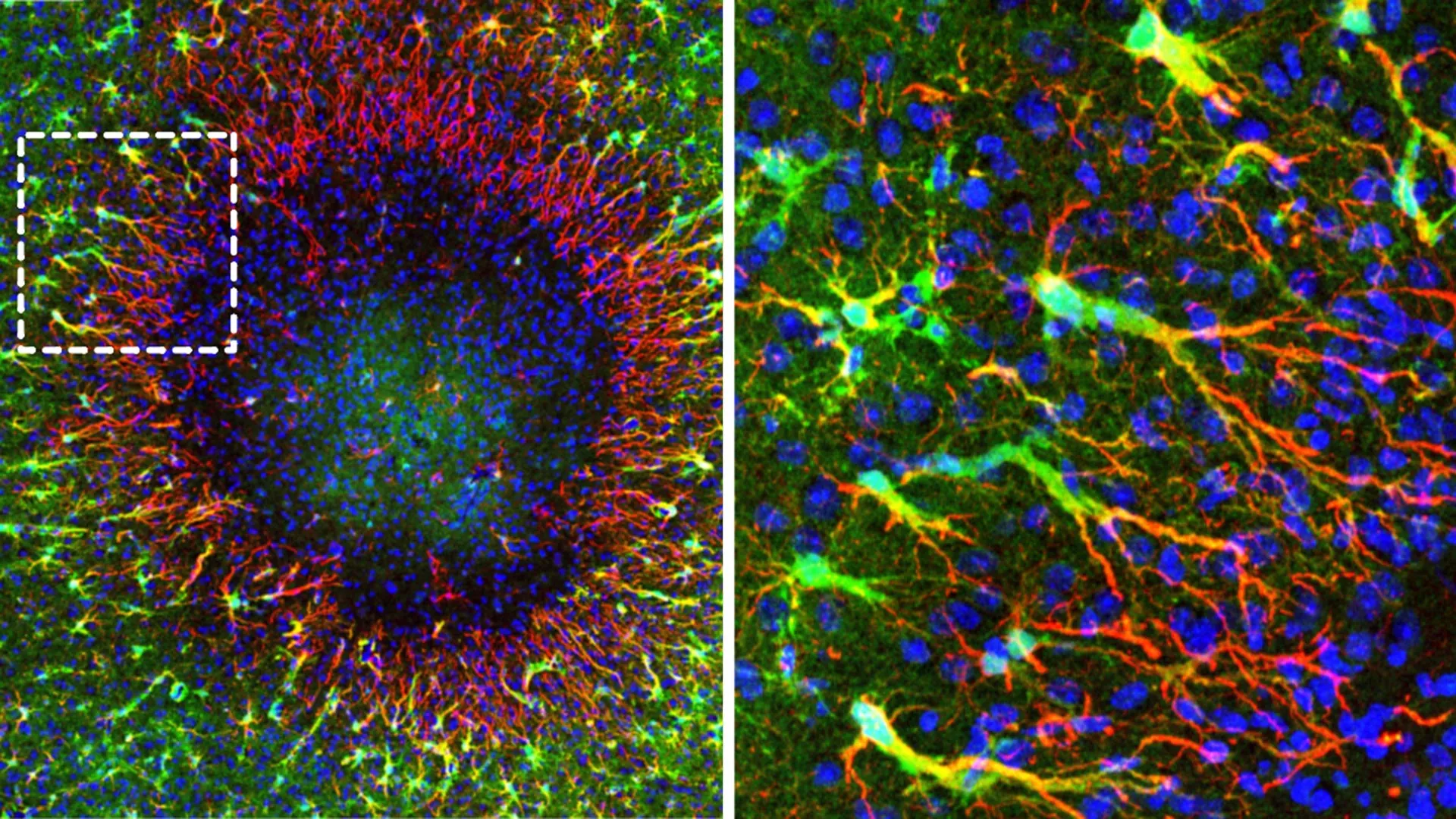
“Researchers discovered that support cells called astrocytes in the adult mouse brain can rebuild damaged cellular networks by creating new nuclei. These cells travel through long extensions to repopulate injured areas, suggesting the brain has more self-repair capabilities than previously believed.”
Why It's Weird
The pursuit of scientific understanding leads researchers down some truly unexpected paths. The moderate weirdness score suggests this is unusual but not completely unprecedented.
Read the full oddity in the app
Oddly Enough on the web is for discovery. Open the iPhone app for the complete story, offline saves, and your personalised feed.
Get Oddly Enough for iPhoneFull articles are available in the app.
Get Oddly Enough on iOS
Your daily dose of the world's weirdest, most wonderful news. Original articles, 100% autonomous.
Download on the App StoreYou might also like 👀

Physicists discover “astonishing” property of light that defies expectations
Researchers have found that light can naturally develop twisting, spinning behaviors as it travels through empty space without the use of lenses or mirrors. This internal geometry allows scientists to manipulate light in ways previously thought impossible.
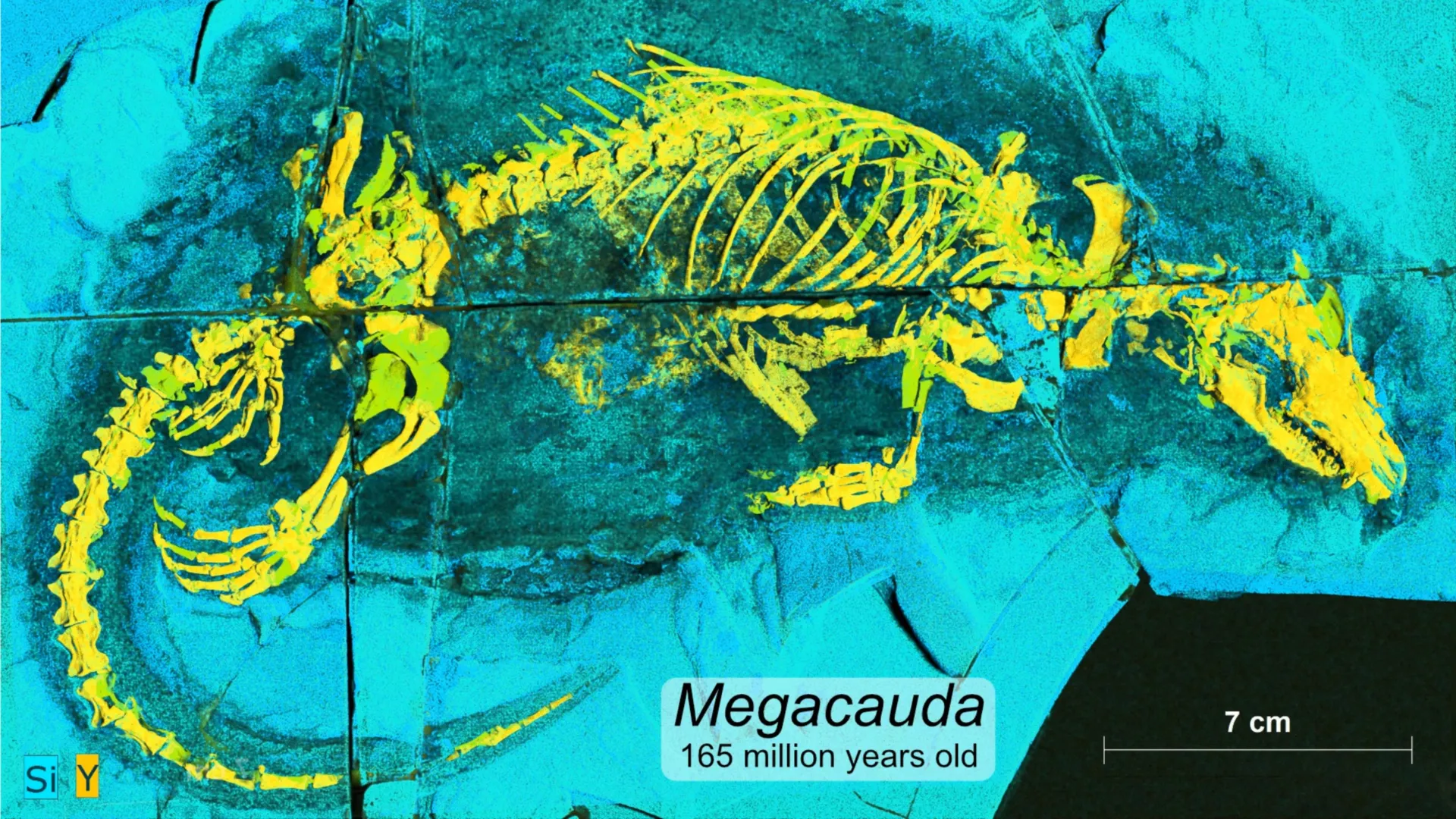
This tiny Jurassic predator helped pave the way for the human brain
A 165-million-year-old fossil of a 20-inch-long predator named Megacauda sungei reveals early evolutionary steps toward mammalian milk nursing. This discovery provides insight into how early mammal relatives developed key biological advantages.
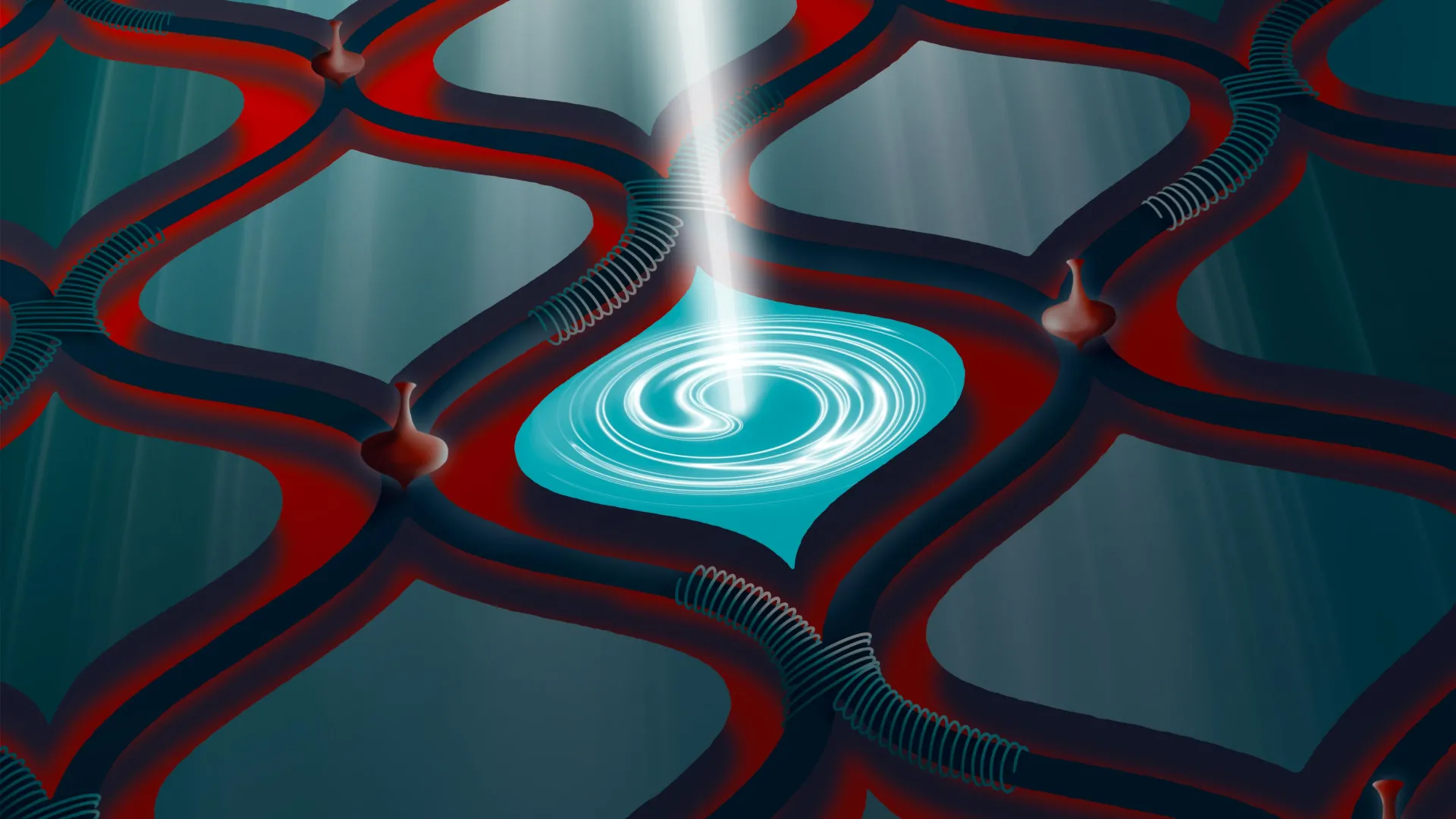
Scientists recreate a bizarre quantum effect that stops a particle cold
Physicists at Oxford have demonstrated a quantum phenomenon where a particle reacts to a magnetic field without physically entering it. By using a hybrid quantum computer, they successfully halted a particle's movement through quantum interference.
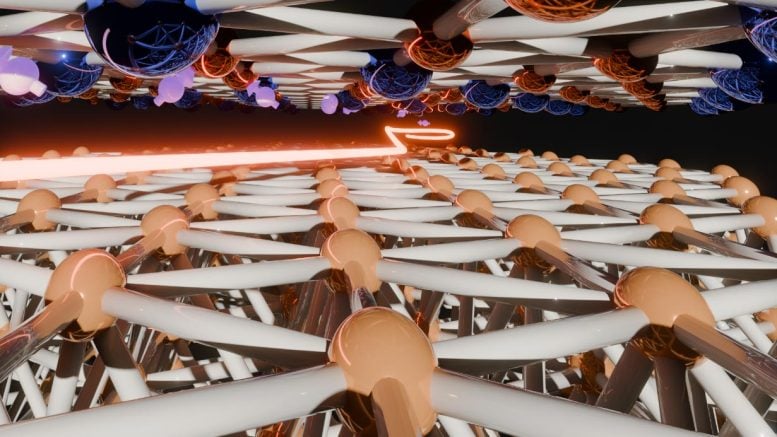
Scientists observe a strange new quantum state at a material boundary
Researchers from the University of Osaka have directly observed an unusual quantum state forming where an atomically thin material meets a metal. This discovery provides new insights into how interactions at the nanoscale can create unique physical properties.