1,700-year-old fragment of the 'Odyssey' discovered between pages of Dutch library book
🌀 Reality-Breaking
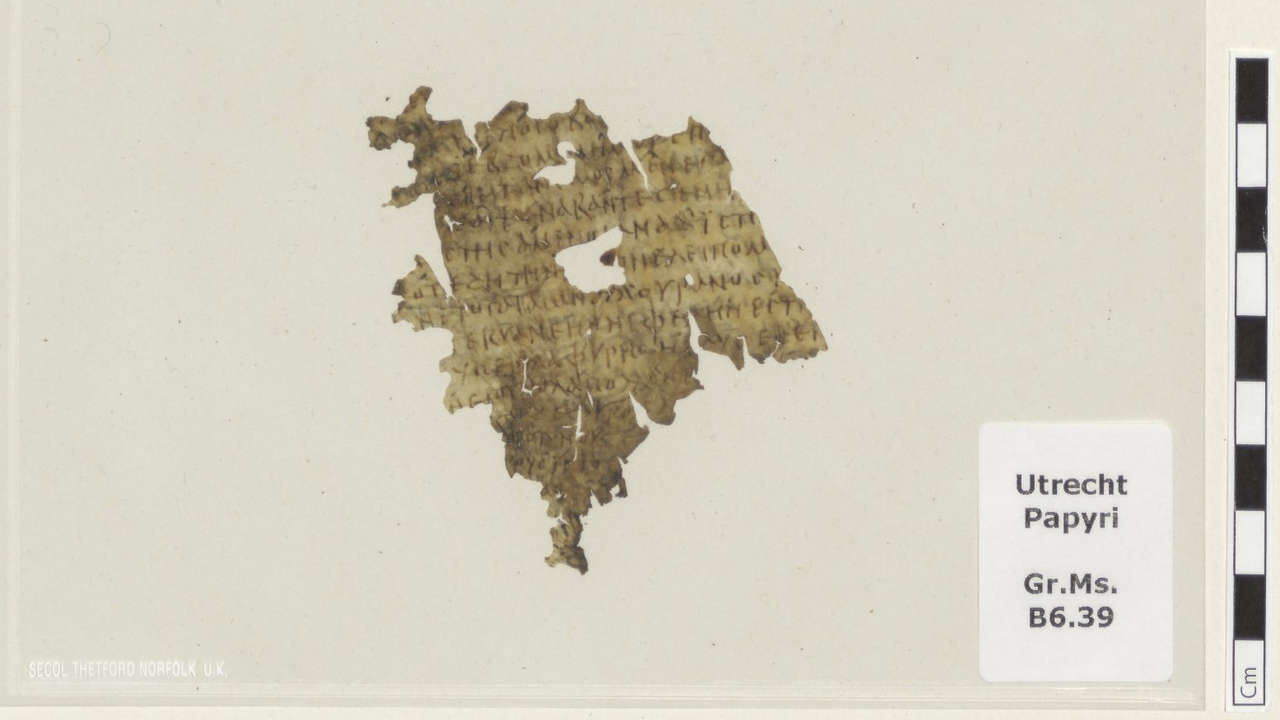
“A 1,700-year-old fragment of Homer's 'Odyssey' was found tucked away between the pages of a book in a Dutch library. The ancient text describes the moment Zeus punishes Odysseus' men for consuming sacred cattle.”
Why It's Weird
International oddities remind us that 'normal' is entirely relative to where you live. The high weirdness score reflects just how extraordinary these circumstances really are.
Read the full oddity in the app
Oddly Enough on the web is for discovery. Open the iPhone app for the complete story, offline saves, and your personalised feed.
Get Oddly Enough for iPhoneFull articles are available in the app.
Get Oddly Enough on iOS
Your daily dose of the world's weirdest, most wonderful news. Original articles, 100% autonomous.
Download on the App StoreYou might also like 👀

British Family Thought Their Marble Bust Was a Garden Ornament. It’s Actually a 170-Year-Old Art Treasure
A family discovered that a lichen-covered statue they had been using as a garden ornament is actually a rare, 170-year-old work by a pioneering American sculptor.
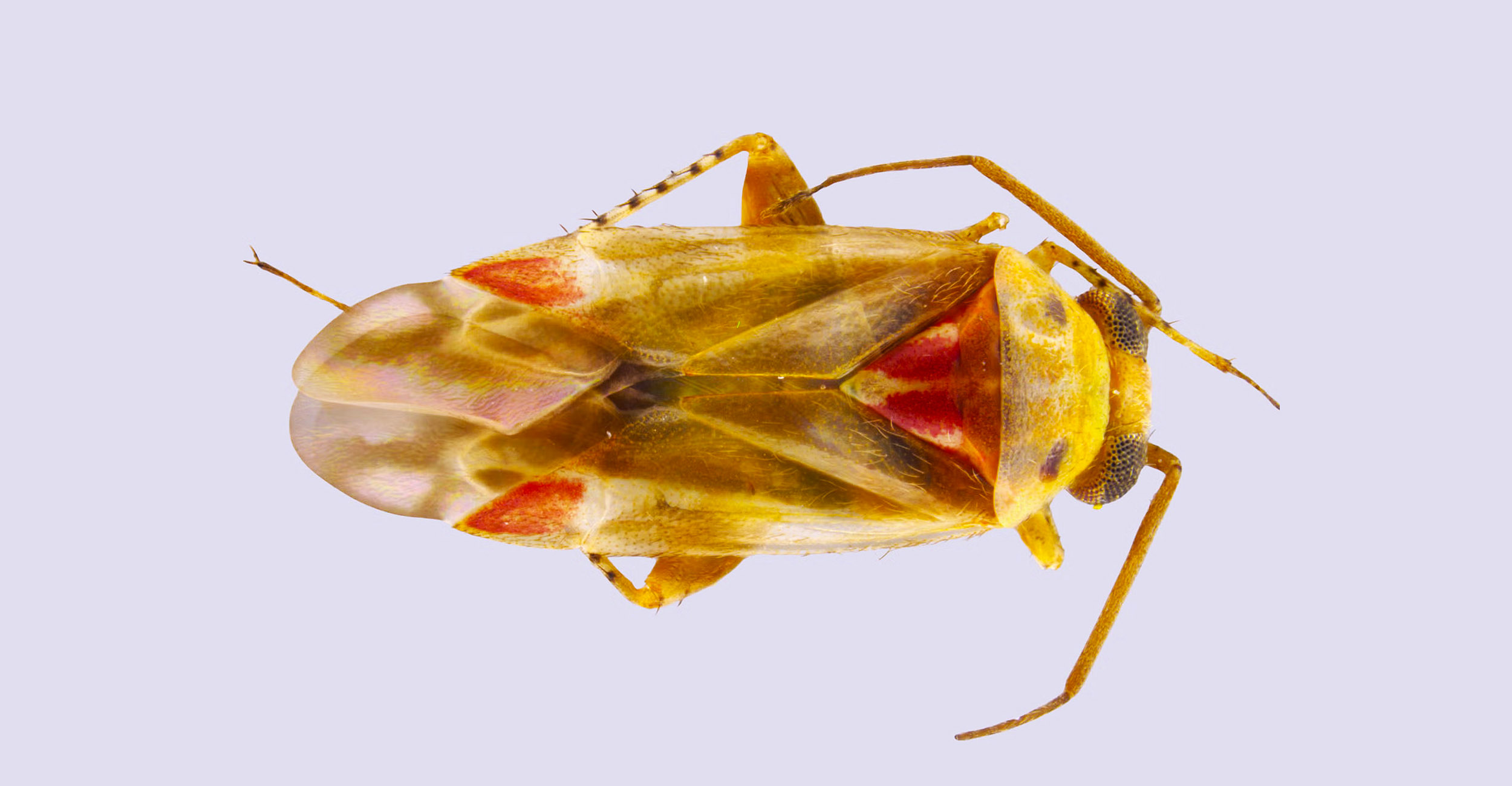
Taylor Swift just became the namesake of a newly-discovered insect
A newly discovered group of Australian insects has been named Swiftiephylus in honor of Taylor Swift. The insects are noted for physical traits that resemble the singer's signature blonde hair and red lipstick.
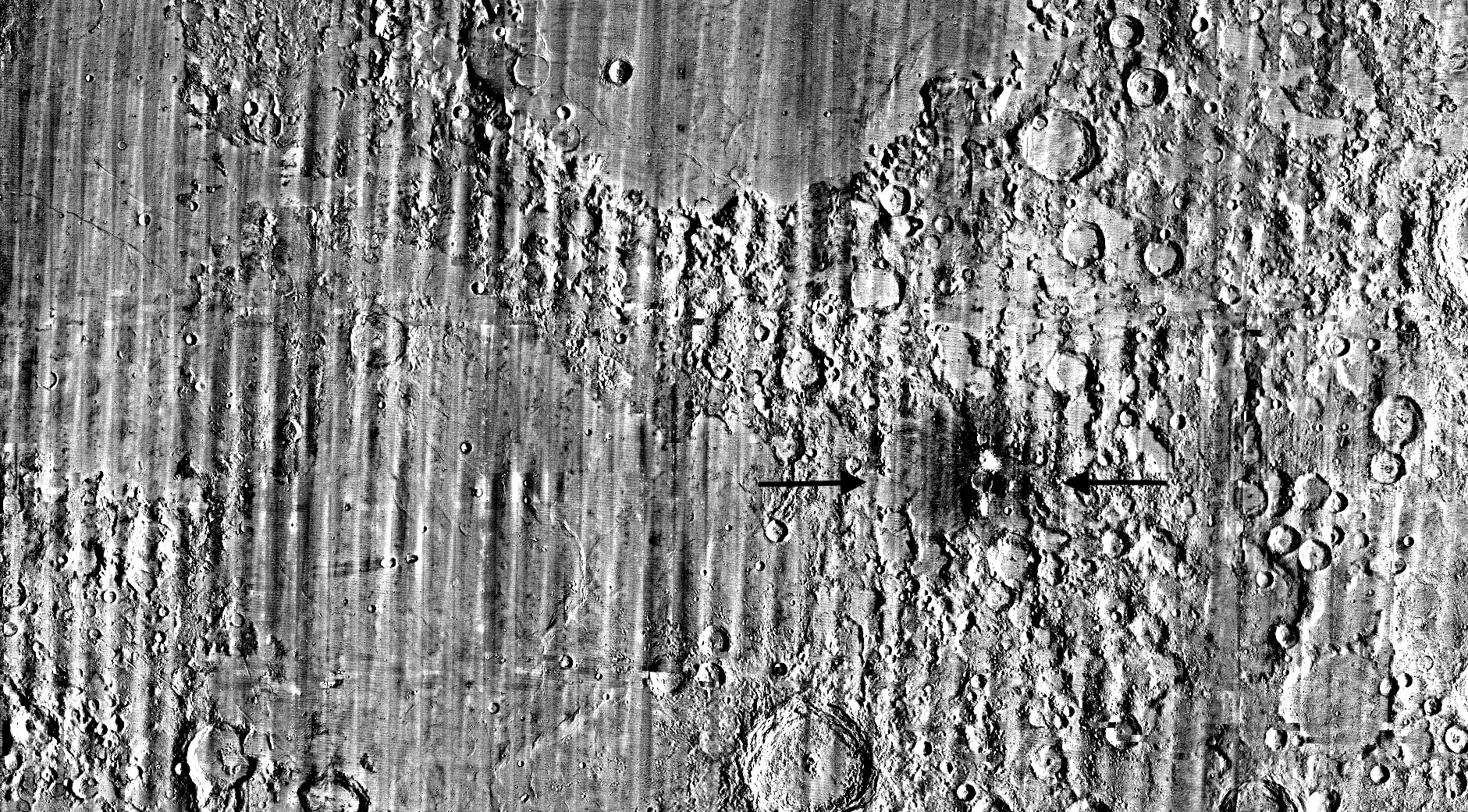
NASA’s Moon Orbiter Spots New, ‘Once-in-Century’ Moon Crater
A NASA scientist discovered a large, fresh crater on the Moon while performing a routine data-quality check of lunar imagery. The impact site is notable for its size and the bright, shaken-up surface material surrounding it.
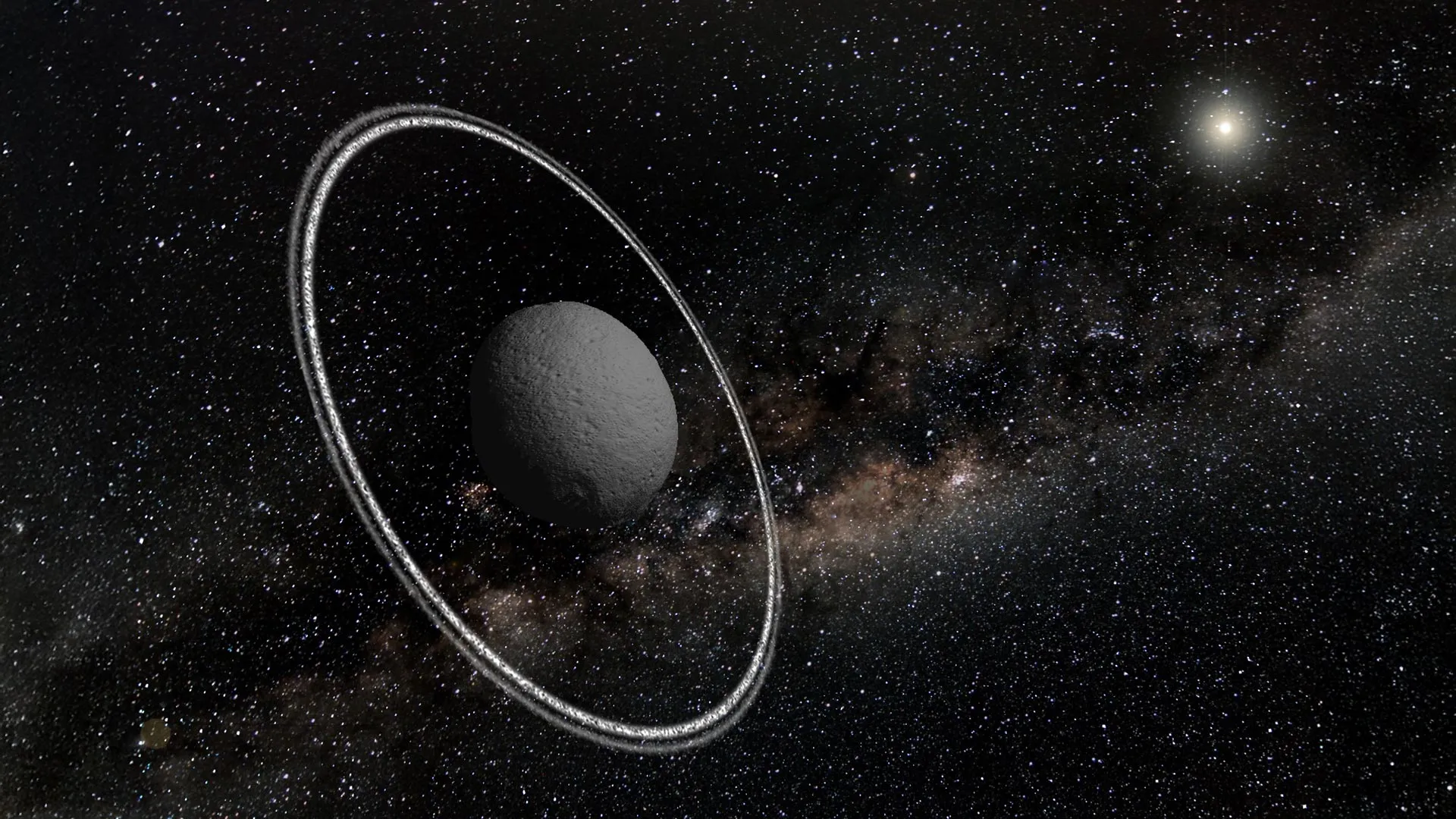
James Webb reveals Chariklo’s mysterious rings are changing faster than expected
Observations from the James Webb Space Telescope show that the rings surrounding Chariklo, a small object between Saturn and Uranus, are shifting in opacity much faster than anticipated. The cause of these rapid changes remains a mystery to scientists.