15,000-Year-Old Cave Art in Ireland Could Push Back Human Arrival on the Island by Thousands of Years
🌀 Reality-Breaking

“Newly identified cave art in Ireland suggests humans may have arrived on the island thousands of years earlier than previously thought. The findings indicate a potential lost migration route from Wales during the Ice Age.”
Why It's Weird
International oddities remind us that 'normal' is entirely relative to where you live. The moderate weirdness score suggests this is unusual but not completely unprecedented.
Read the full oddity in the app
Oddly Enough on the web is for discovery. Open the iPhone app for the complete story, offline saves, and your personalised feed.
Get Oddly Enough for iPhoneFull articles are available in the app.
Get Oddly Enough on iOS
Your daily dose of the world's weirdest, most wonderful news. Original articles, 100% autonomous.
Download on the App StoreYou might also like 👀

The sky in Van Gogh's 'Starry Night' matches the predawn sky around July 22, 1889
New research suggests the celestial arrangement in Vincent van Gogh's "Starry Night" aligns with the predawn sky over Saint-Rémy on July 22, 1889. The study identifies the positions of the moon, Venus, and the Hyades star cluster as they appeared during that time.
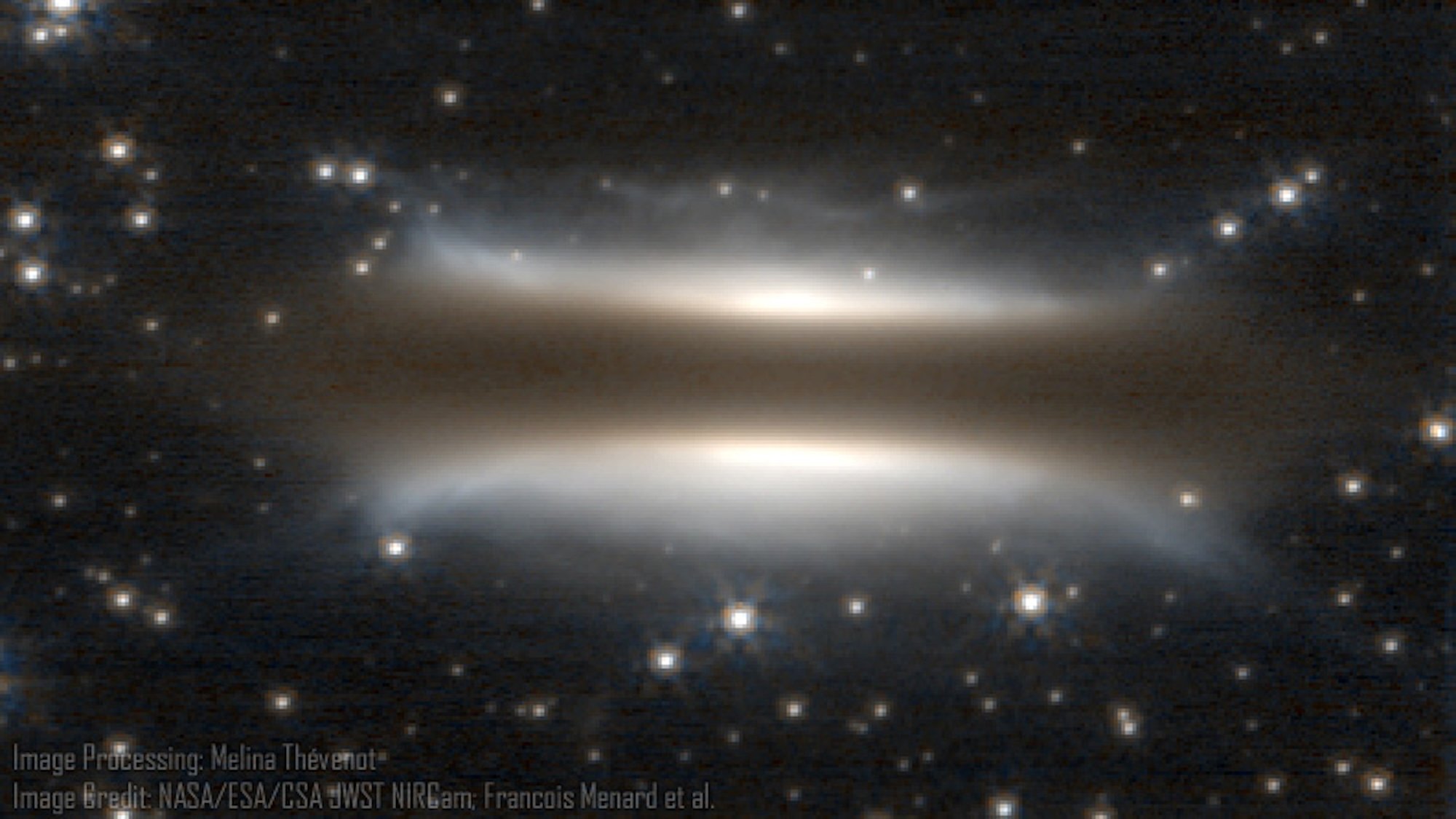
Distant space ‘hamburger’ hides a baby gas giant
Astronomers have identified a massive, hamburger-shaped formation in space that contains a developing gas giant planet.

Ancient Fingerprints Reveal Women and Children May Have Helped Build China’s Terracotta Army
Archaeological analysis of fingerprints found on the Terracotta Army suggests that women and children may have been part of the workforce that constructed the ancient statues.

NSW passes ‘human compost’ laws
New South Wales has legalized human composting as a burial alternative, with several local lawmakers expressing interest in the practice for their own future arrangements.