A 2,700-year-old solar eclipse just revealed something surprising about Earth
🌀 Reality-Breaking
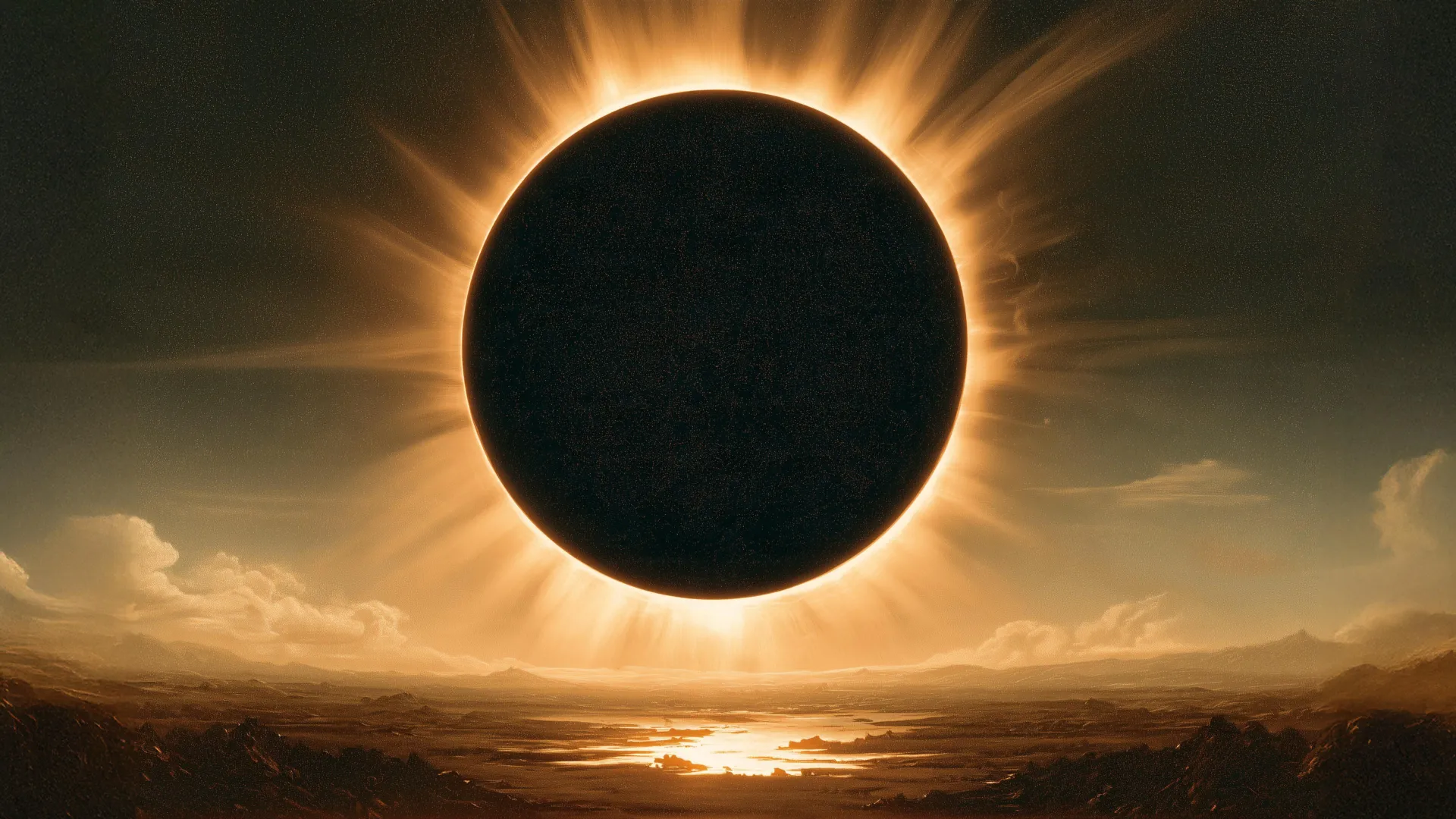
“Scientists used a solar eclipse recorded in 709 BCE to correct an eight-kilometer error in the location of an ancient Chinese capital. This adjustment allowed researchers to gain more accurate data regarding the speed of Earth's rotation in the ancient past.”
Why It's Weird
International oddities remind us that 'normal' is entirely relative to where you live. The moderate weirdness score suggests this is unusual but not completely unprecedented.
Read the full oddity in the app
Oddly Enough on the web is for discovery. Open the iPhone app for the complete story, offline saves, and your personalised feed.
Get Oddly Enough for iPhoneFull articles are available in the app.
Get Oddly Enough on iOS
Your daily dose of the world's weirdest, most wonderful news. Original articles, 100% autonomous.
Download on the App StoreYou might also like 👀

Astronomers discover a 'dark galaxy' with no detectable starlight
Astronomers have identified an object called AGC 322753 that contains a massive reservoir of neutral hydrogen but shows no signs of starlight. The gas appears to be rotating in a disk, yet deep images reveal no matching glow.

‘Zero-energy companionship’: bizarre hobby takes seed among China’s stressed young adults
Stressed young adults in China are adopting bricks as low-maintenance, inexpensive alternatives to pets or children. These 'brick parents' claim the hobby provides companionship without the emotional or financial demands of living creatures.
Young people flock to see 1,000-year-old Bayeux tapestry
Young people under 35 are purchasing tickets for the Bayeux tapestry exhibition at the British Museum in higher numbers than for Hollywood blockbusters. Ticket sales for the embroidery spiked significantly, with payments reaching £14,100 in the first hour of the latest release.
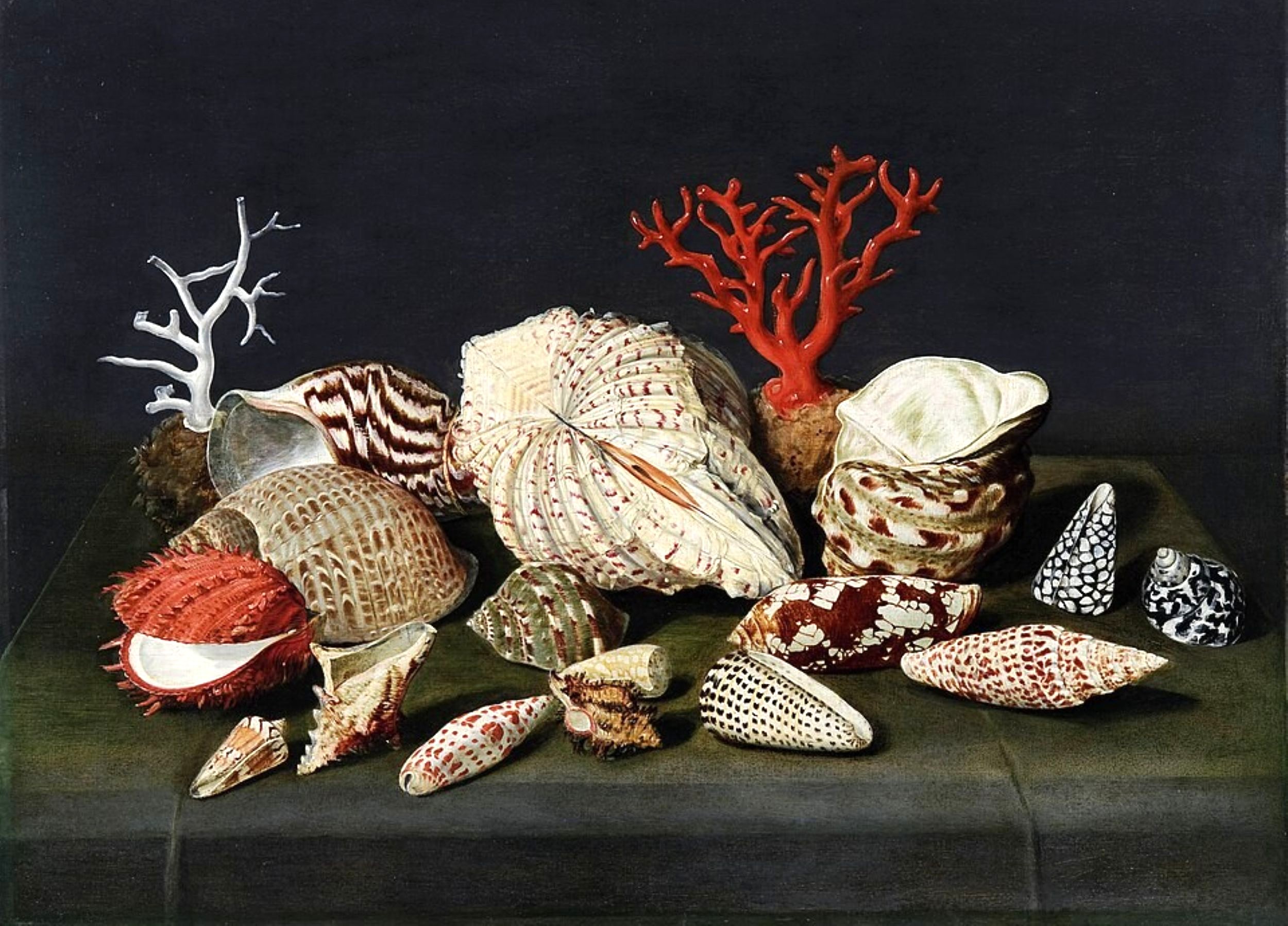
Forgotten sea creature is found hiding in centuries-old paintings
Scientists identified a previously overlooked Mediterranean sea creature by analyzing its depiction in centuries-old Italian artwork.