‘Lost’ for 170 years, rare plant recorded in Sri Lanka
🌀 Reality-Breaking

“Researchers have rediscovered a population of the rare plant Indianthus virgatus, which had not been officially recorded in Sri Lanka since 1855. The plant was found growing in a lowland forest fragment along the Sitawaka Ganga River.”
Why It's Weird
Global news often reveals cultural differences that can seem almost alien to outside observers. The moderate weirdness score suggests this is unusual but not completely unprecedented.
Read the full oddity in the app
Oddly Enough on the web is for discovery. Open the iPhone app for the complete story, offline saves, and your personalised feed.
Get Oddly Enough for iPhoneFull articles are available in the app.
Get Oddly Enough on iOS
Your daily dose of the world's weirdest, most wonderful news. Original articles, 100% autonomous.
Download on the App StoreYou might also like 👀

Shape-shifting camper van makes space for shop's worth of action gear
Storyteller Overland has introduced a new 'Gear Mode' for its Sprinter adventure vans, designed to haul motorcycles and a workshop's worth of tools and accessories. This innovation expands the brand's lineup of integrated adventure vehicles.

Otherworldly ‘space jellyfish’ appears in the sky
A glowing, jellyfish-shaped phenomenon appeared in the East Coast sky this week, caused by a rocket launch carrying artificial retinas to the International Space Station.

Rare evidence of Neanderthal wooden tools discovered
Scientists have uncovered rare wooden artifacts, including a club and spears, providing new insight into the tools used by Neanderthals.
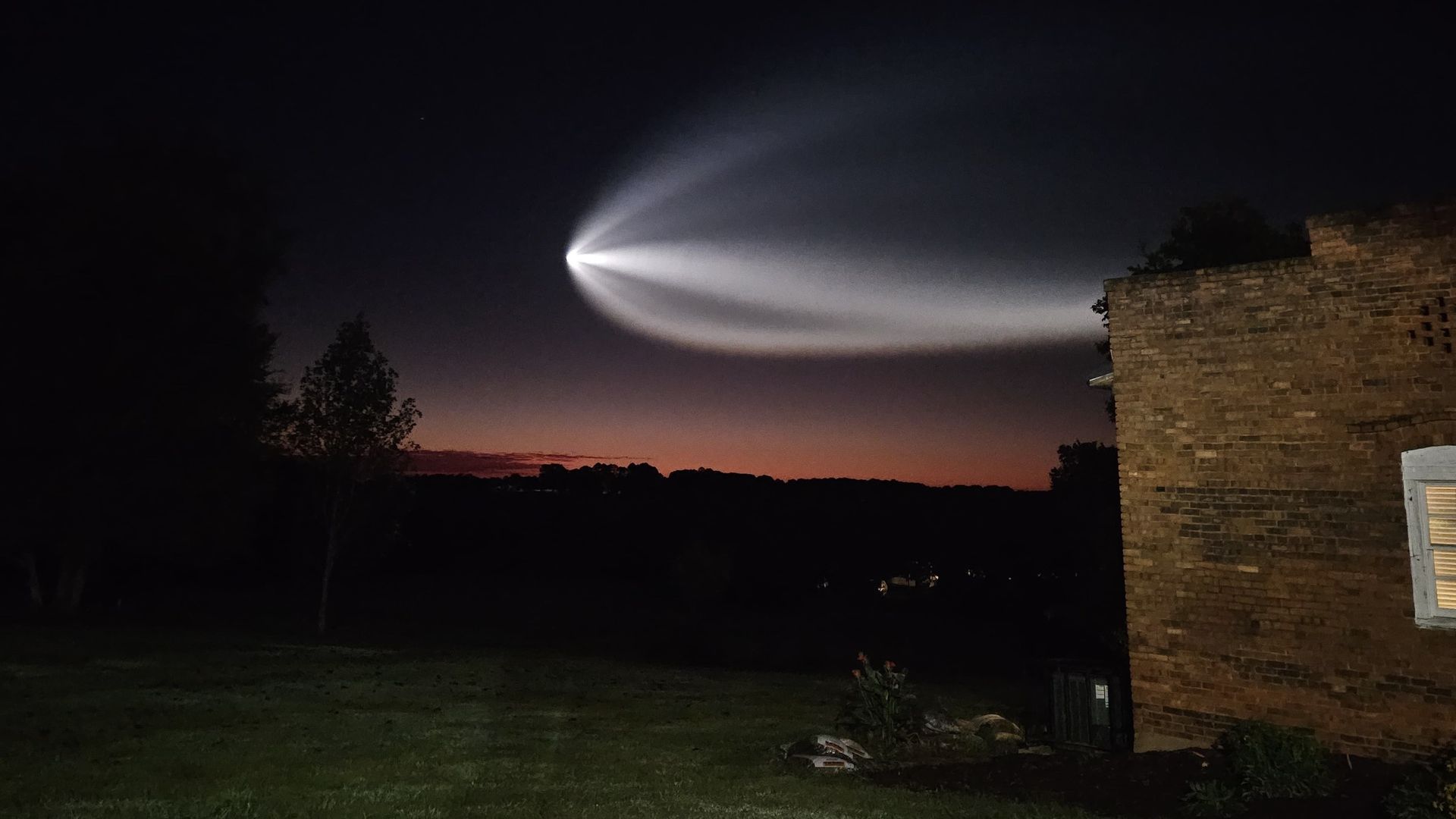
SpaceX rocket launch creates incredible 'space jellyfish' visible throughout US East Coast
A SpaceX cargo launch to the International Space Station produced a glowing, jellyfish-like atmospheric phenomenon visible across the US East Coast.