Hubble spots a mysterious 10-sided 'decagon' growing around Saturn's south pole
🌀 Reality-Breaking
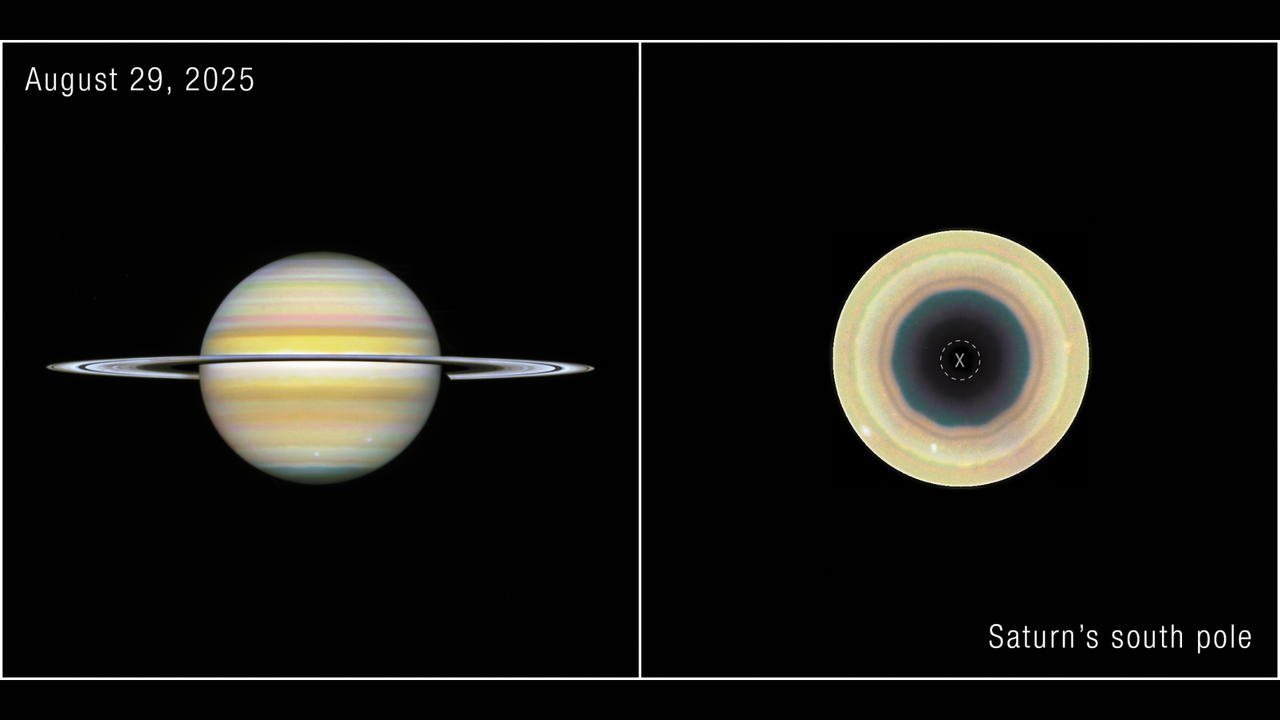
“The Hubble Space Telescope has captured images of a large, 10-sided atmospheric phenomenon forming around Saturn's south pole. This unusual geometric structure has drawn attention for its distinct shape in the planet's atmosphere.”
Why It's Weird
International oddities remind us that 'normal' is entirely relative to where you live. This solid weirdness score indicates a story that's genuinely outside the realm of normal experience.
Read the full oddity in the app
Oddly Enough on the web is for discovery. Open the iPhone app for the complete story, offline saves, and your personalised feed.
Get Oddly Enough for iPhoneFull articles are available in the app.
Get Oddly Enough on iOS
Your daily dose of the world's weirdest, most wonderful news. Original articles, 100% autonomous.
Download on the App StoreYou might also like 👀
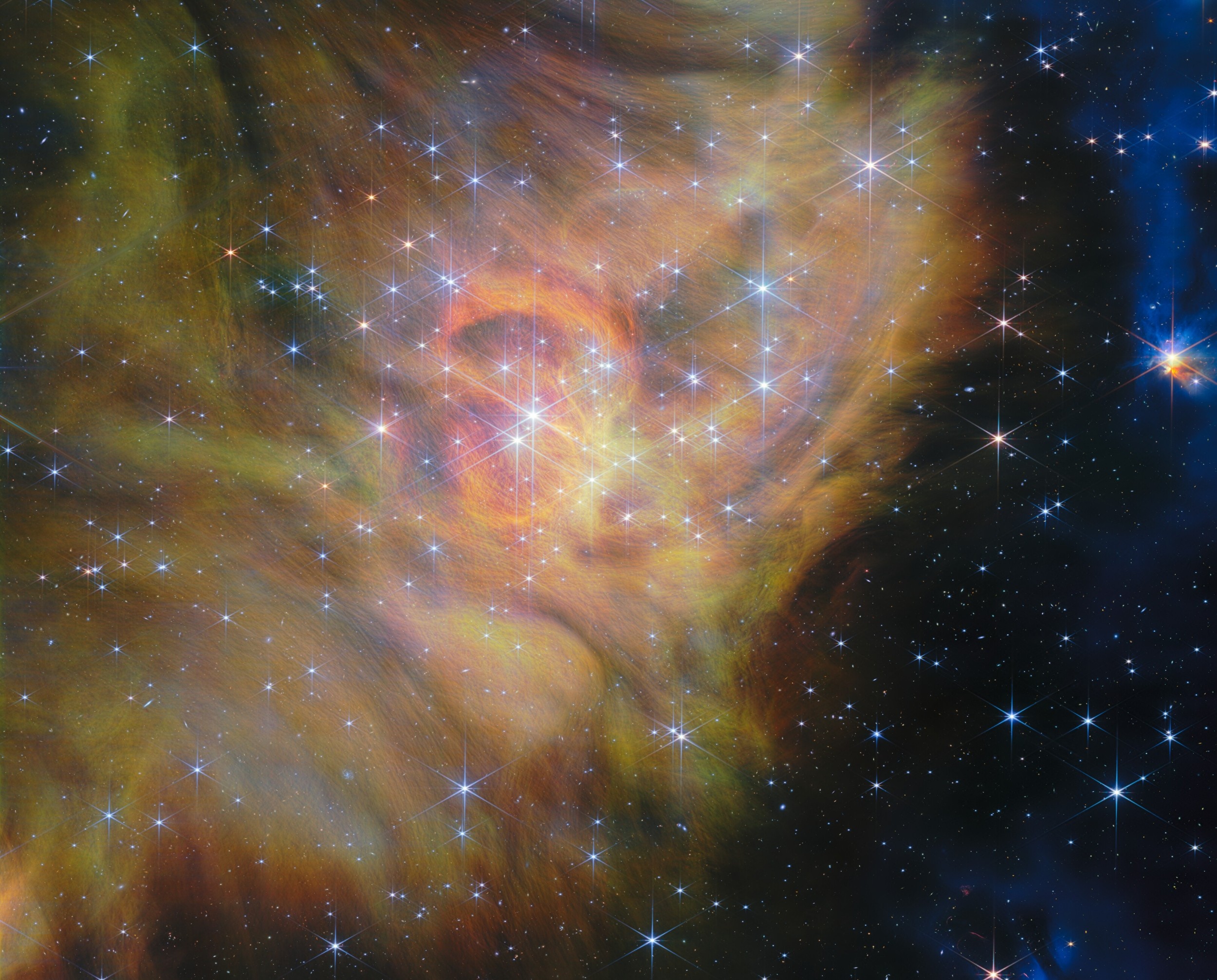
Webb finds mysterious objects barely twice the mass of Jupiter
The James Webb Space Telescope has identified record-small brown dwarfs in the IC 348 stellar nursery that are only about twice the mass of Jupiter.

Japan to launch spacecraft on a mission to get samples from a Martian moon
Japan is preparing the world's first mission to retrieve samples from Phobos, a small, potato-shaped moon orbiting Mars.

World's oldest shipwreck discovered off coast of Turkey
Archaeologists have identified a shipwreck off the coast of Turkey as the oldest in the world, dating back to approximately 2700–2400 B.C. based on pottery cargo.

Lone, starless cloud may be a 'dark' galaxy
Astronomers have identified a compact cloud of hydrogen containing no visible stars, which may be an isolated dark galaxy.