A 'rebellious' exoplanet orbits in the opposite direction of its star
🌀 Reality-Breaking

“Astronomers have observed a rare exoplanet that orbits its host star in the opposite direction of the star's own rotation. This behavior contradicts the standard model of planetary formation, where stars and planets typically rotate in the same direction.”
Why It's Weird
International oddities remind us that 'normal' is entirely relative to where you live. This solid weirdness score indicates a story that's genuinely outside the realm of normal experience.
Read the full oddity in the app
Oddly Enough on the web is for discovery. Open the iPhone app for the complete story, offline saves, and your personalised feed.
Get Oddly Enough for iPhoneFull articles are available in the app.
Get Oddly Enough on iOS
Your daily dose of the world's weirdest, most wonderful news. Original articles, 100% autonomous.
Download on the App StoreYou might also like 👀

House where The Snowman was written for sale - complete with secret door
The former home of author Raymond Briggs, where he created the classic story The Snowman, has been listed for sale and features a hidden room.
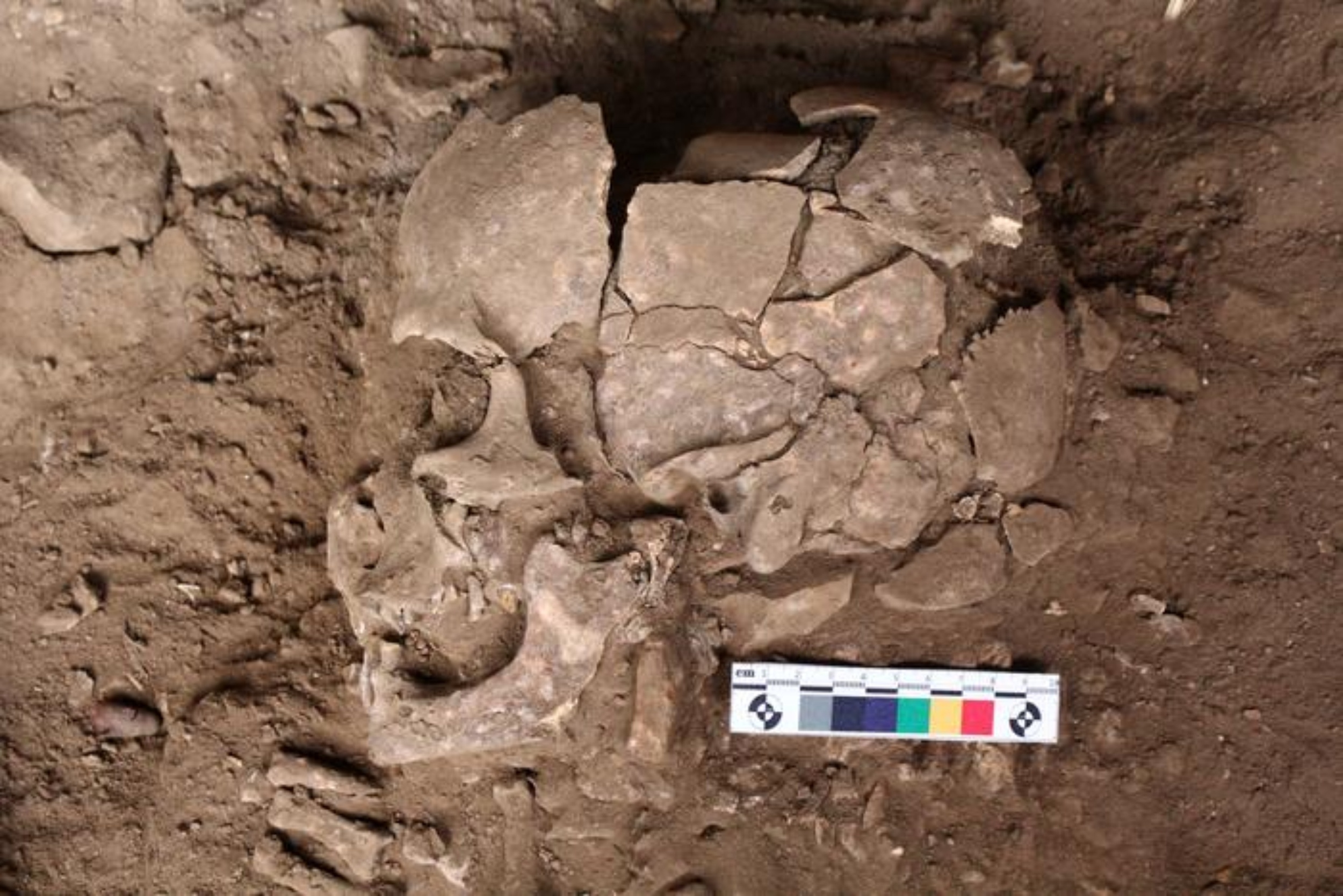
Ancient teeth reveal humans were getting high 25,000 years ago
Archaeological evidence from ancient teeth found in Sulawesi indicates that humans were consuming psychoactive betel nuts as early as 25,000 years ago. This practice predates the development of agriculture in the region.
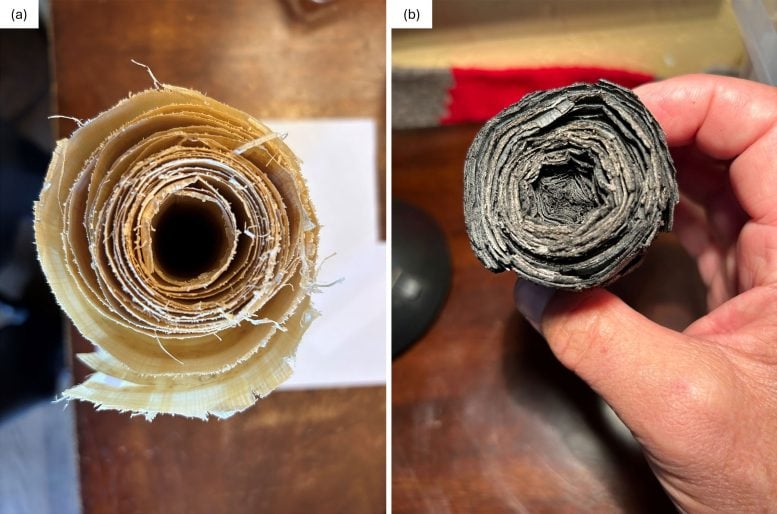
Mount Vesuvius Buried These Scrolls for 2,000 Years – Now Scientists May Read Them
Scientists are testing a new method using lead-based ink detection to read ancient Roman papyri buried by the eruption of Mount Vesuvius in 79 CE. These scrolls are currently too brittle to be opened physically.

The monsters that weren't: Dinosaur and tusked-beast claims in San rock art unravel
New research challenges the long-standing theory that Indigenous San and Basotho people in southern Africa depicted dinosaurs and prehistoric beasts in their ancient cave paintings. The study suggests these interpretations are likely misreadings of the rock art.