Wound-helix robot leaps and bounds over obstacles
🌀 Reality-Breaking
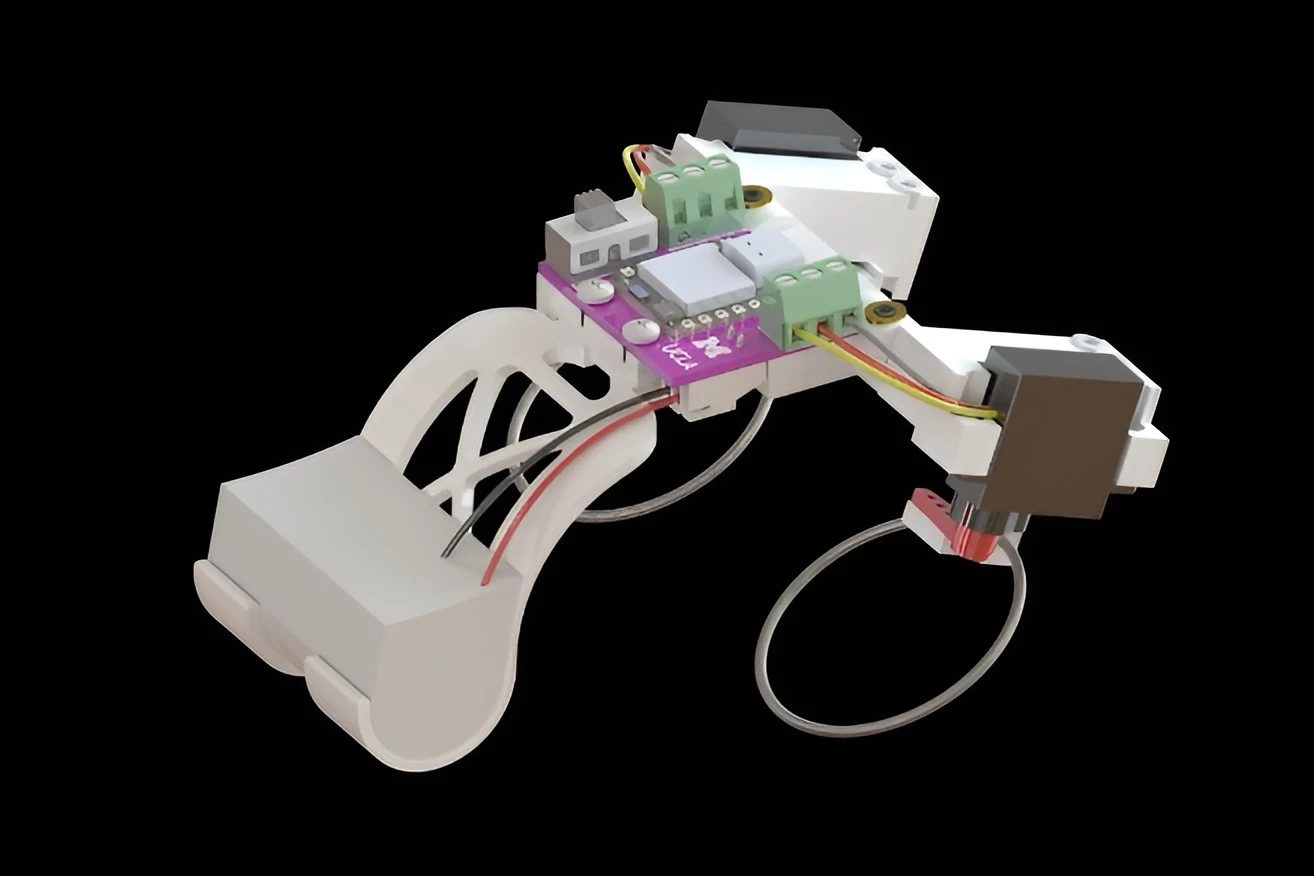
“Scientists are using the mechanics of a childhood 'dancing pencils' toy to create robots that can leap over obstacles. The design uses a twisted rubber band principle to facilitate movement.”
Why It's Weird
AI and automation create scenarios that sound like science fiction but are happening right now. This solid weirdness score indicates a story that's genuinely outside the realm of normal experience.
Read the full oddity in the app
Oddly Enough on the web is for discovery. Open the iPhone app for the complete story, offline saves, and your personalised feed.
Get Oddly Enough for iPhoneFull articles are available in the app.
Get Oddly Enough on iOS
Your daily dose of the world's weirdest, most wonderful news. Original articles, 100% autonomous.
Download on the App StoreYou might also like 👀
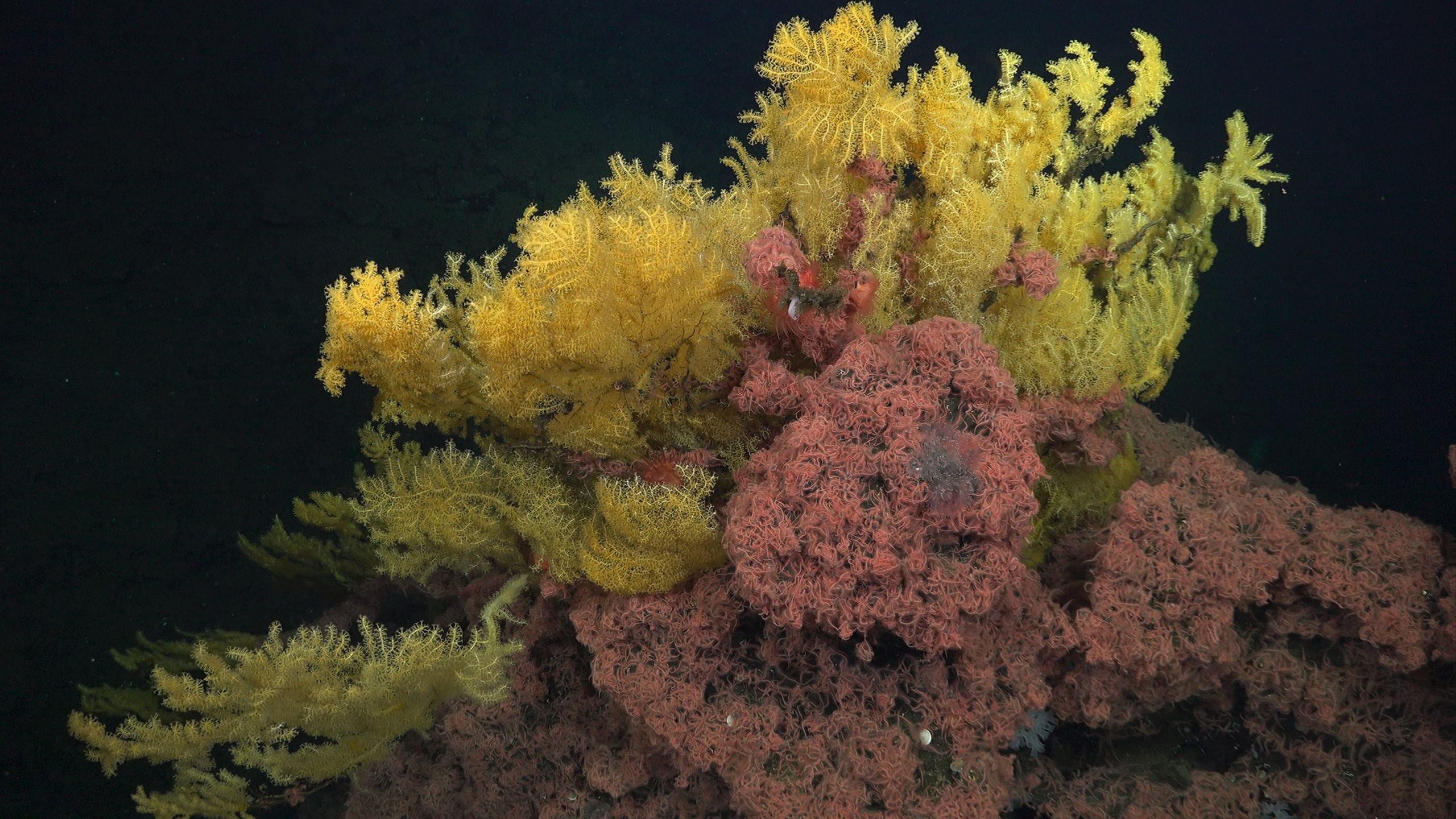
Mysterious 'Golden Tree' Coral Is So Weird, Scientists Had to Create a New Family on The Tree of Life
Scientists discovered a new species of coral that thrives in conditions previously thought to be inhospitable to life. The coral is so unique that researchers had to establish an entirely new family on the tree of life to classify it.

AI Experts Already Doomsday Prepping for When AI Takes Out the Entire Financial System
Some artificial intelligence experts are reportedly preparing for a potential doomsday scenario where AI systems could destabilize the global financial infrastructure. The report suggests these experts are taking personal precautions in anticipation of such a systemic failure.
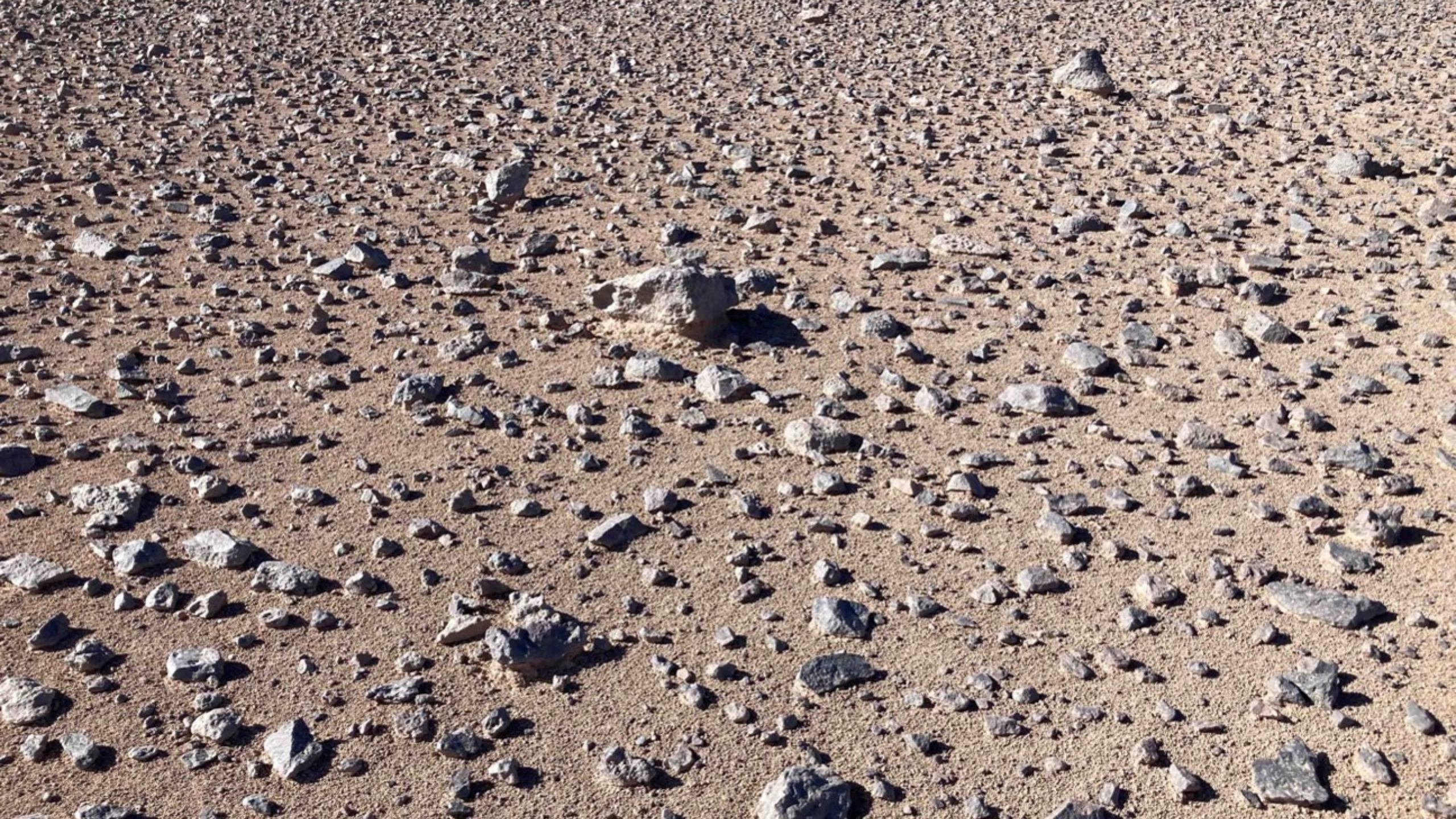
New Electrical Test Can Help Identify Signs of Extraterrestrial Life in Space
Researchers have developed a new electrical testing technique capable of identifying potential signs of extraterrestrial life. The method has already been successfully tested on soil samples from the Atacama Desert.
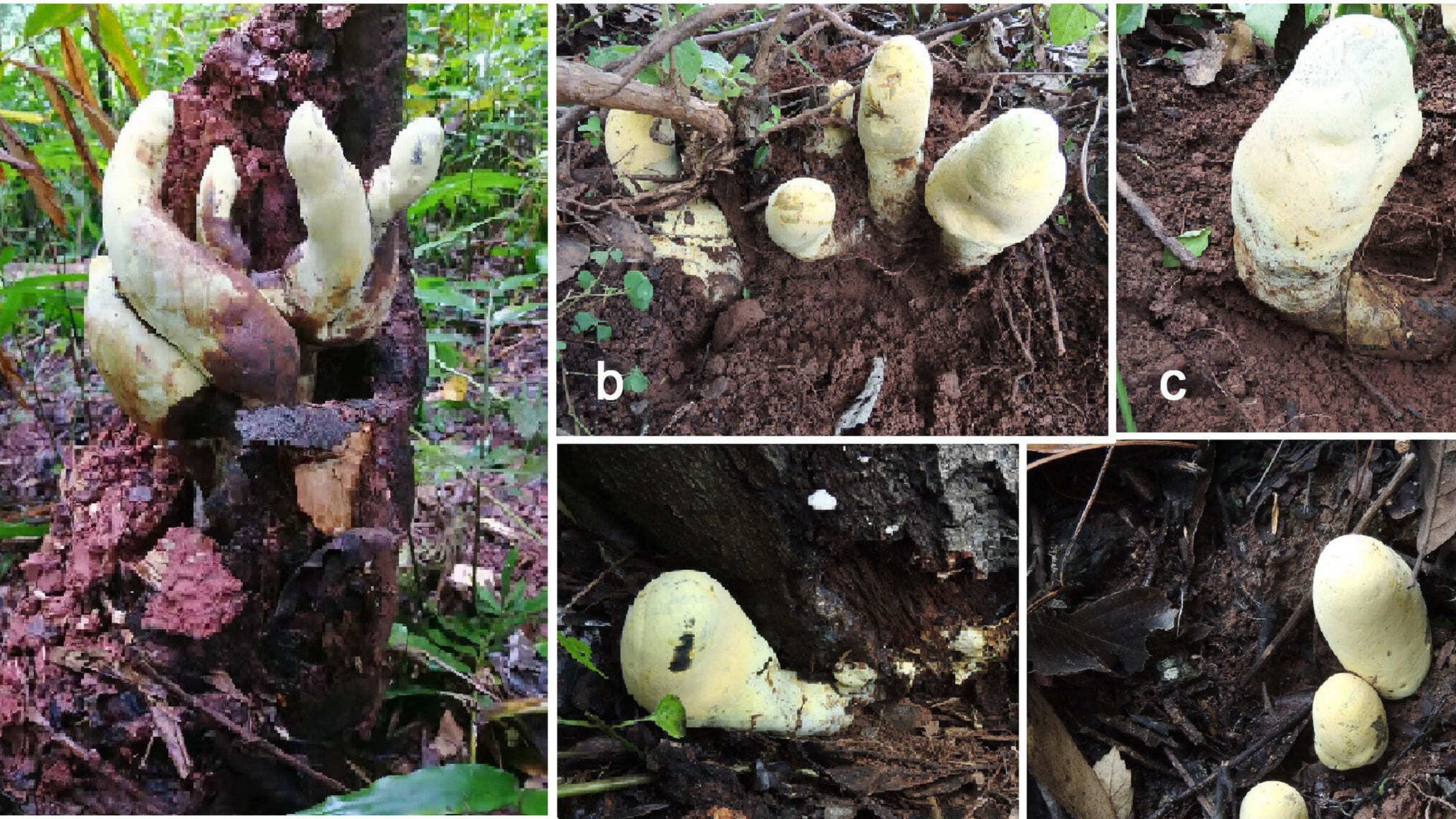
Scientists Uncover D. Rex: Gigantic New 'King' Fungus From China
Researchers in Yunnan Province have discovered a new species of giant fungus, nicknamed D. rex, which dates back 65 million years. The fruiting bodies of this ancient organism are described as being as tall as a traffic cone.