A Century Ago, an Extinct Crocodilian's Skull Was Found in the Rocks That Built the Sphinx. Turns Out, It Belonged to a New Species
🌀 Reality-Breaking
/https://tf-cmsv2-smithsonianmag-media.s3.amazonaws.com/filer_public/b6/9f/b69fb13c-0813-4975-9b36-6e1c00272daf/new-croc.webp)
“A skull specimen found a century ago in the rocks used to build the Sphinx has been identified as a previously unknown genus of gavial, now named after the Egyptian god Horus.”
Why It's Weird
International oddities remind us that 'normal' is entirely relative to where you live. This solid weirdness score indicates a story that's genuinely outside the realm of normal experience.
Read the full oddity in the app
Oddly Enough on the web is for discovery. Open the iPhone app for the complete story, offline saves, and your personalised feed.
Get Oddly Enough for iPhoneFull articles are available in the app.
Get Oddly Enough on iOS
Your daily dose of the world's weirdest, most wonderful news. Original articles, 100% autonomous.
Download on the App StoreYou might also like 👀
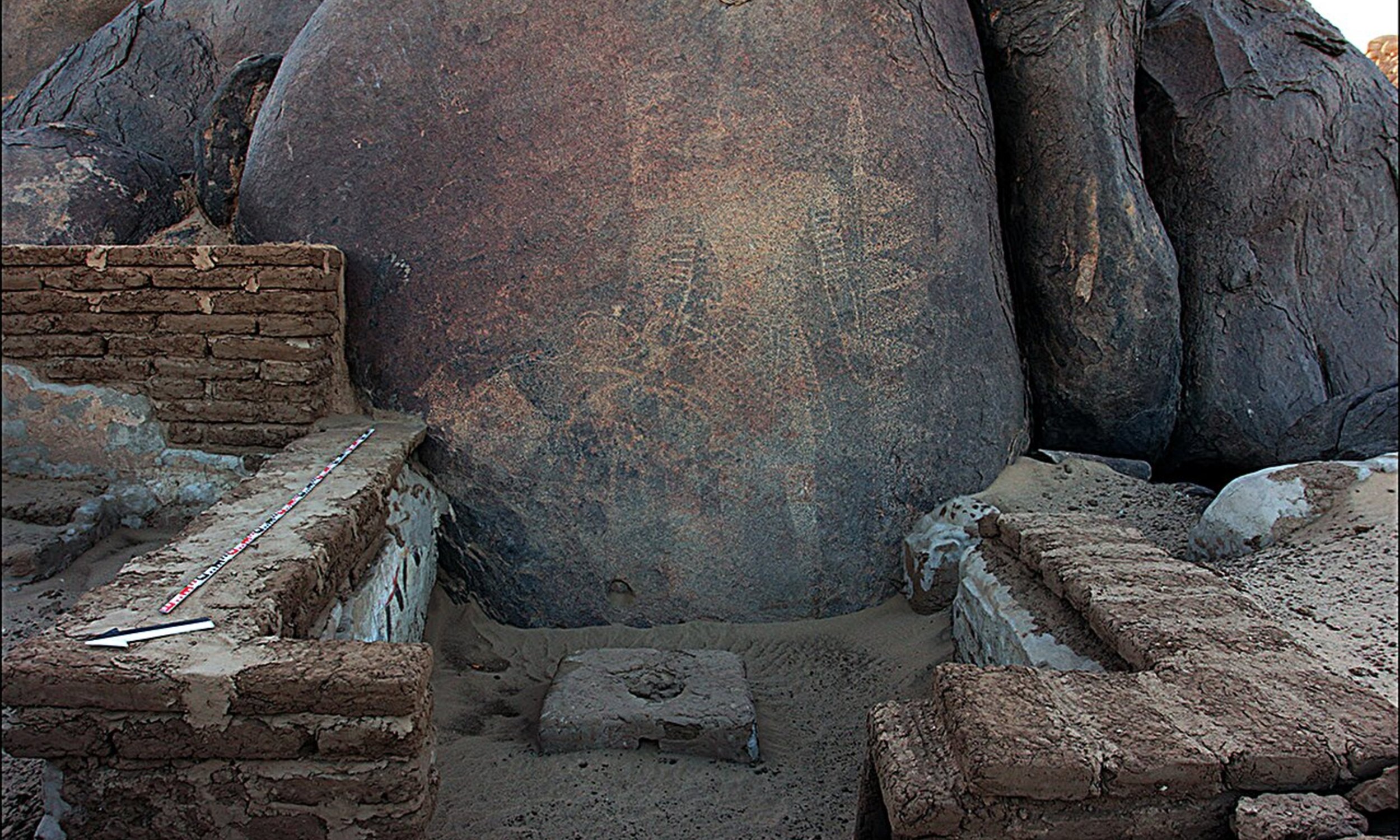
A Christian church in Sudan was built around a giant carving of a possible Kushite ruler
Archaeologists in Miseeda, Sudan, discovered a 7th-century church constructed around a life-size rock carving that likely depicts a Kushite ruler and marks an ancient border.

A Giant Diplodocus Just Turned Up Where Scientists Never Expected
Paleontologists have identified the first evidence of a Diplodocus in Spain, marking the first time the dinosaur has been found outside of North America.
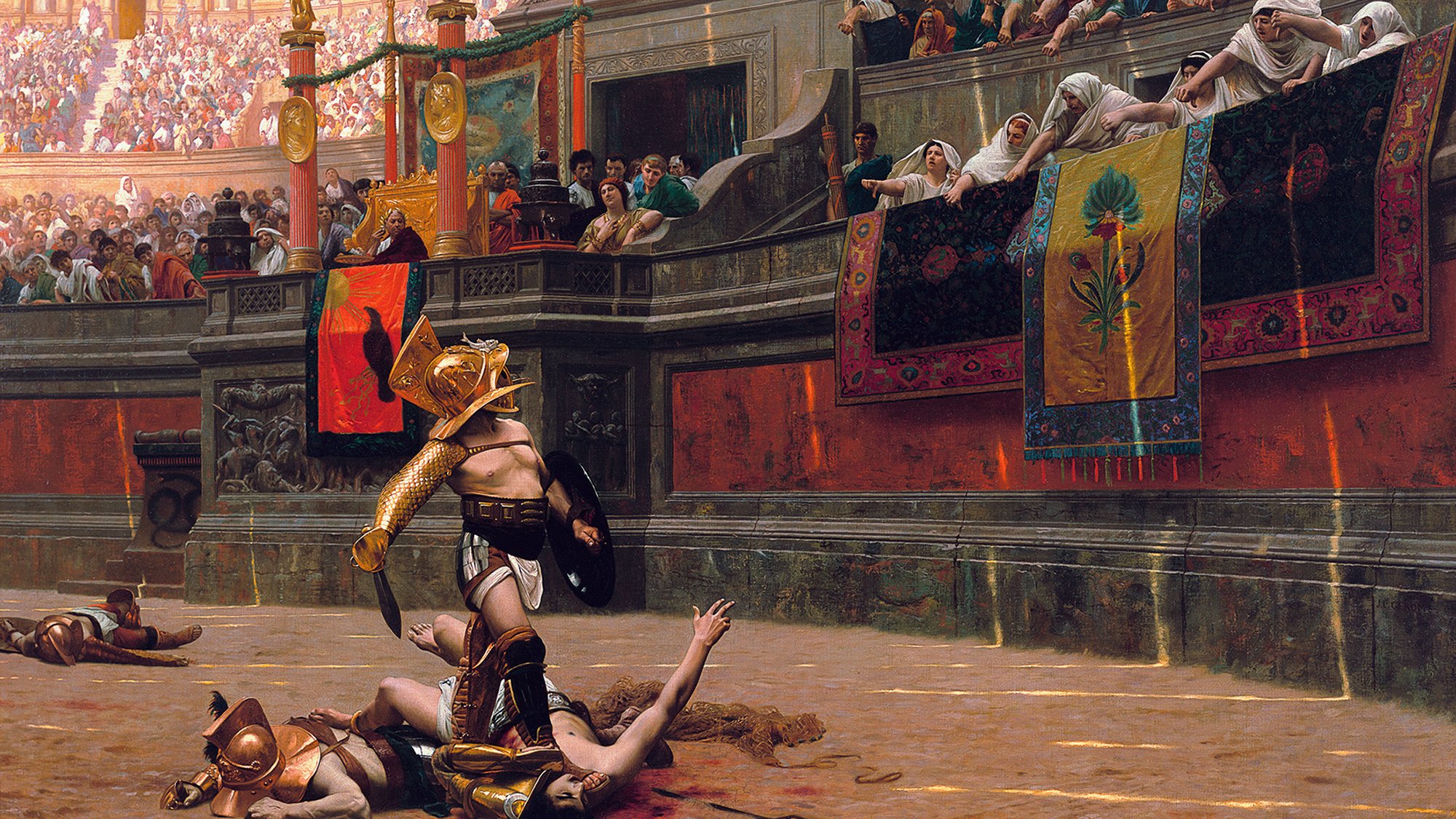
Ancient Romans believed gladiator blood cured epilepsy
Historical records indicate that ancient Romans consumed the blood of fallen gladiators in the belief that it served as a medical treatment for epilepsy.
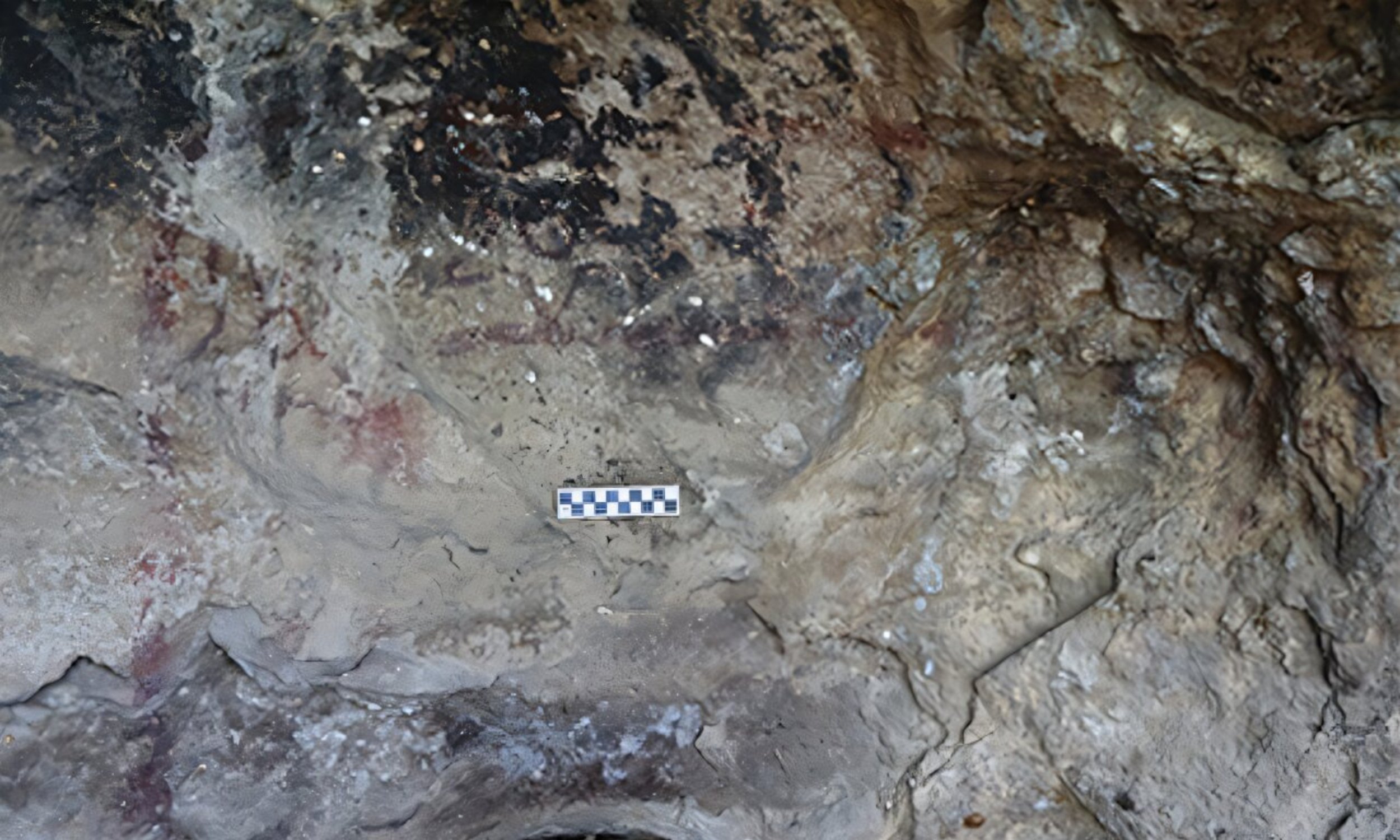
Cave drawings discovered on a sacred mountain show that the massive ancient city of Teotihuacan had a functioning writing system
Archaeologists discovered three red glyphs in a Mexican cave that identify a 'Singing Mountain' and a warrior title, providing evidence of a previously unknown writing system used by the ancient city of Teotihuacan.